
Last updated November 25, 2026
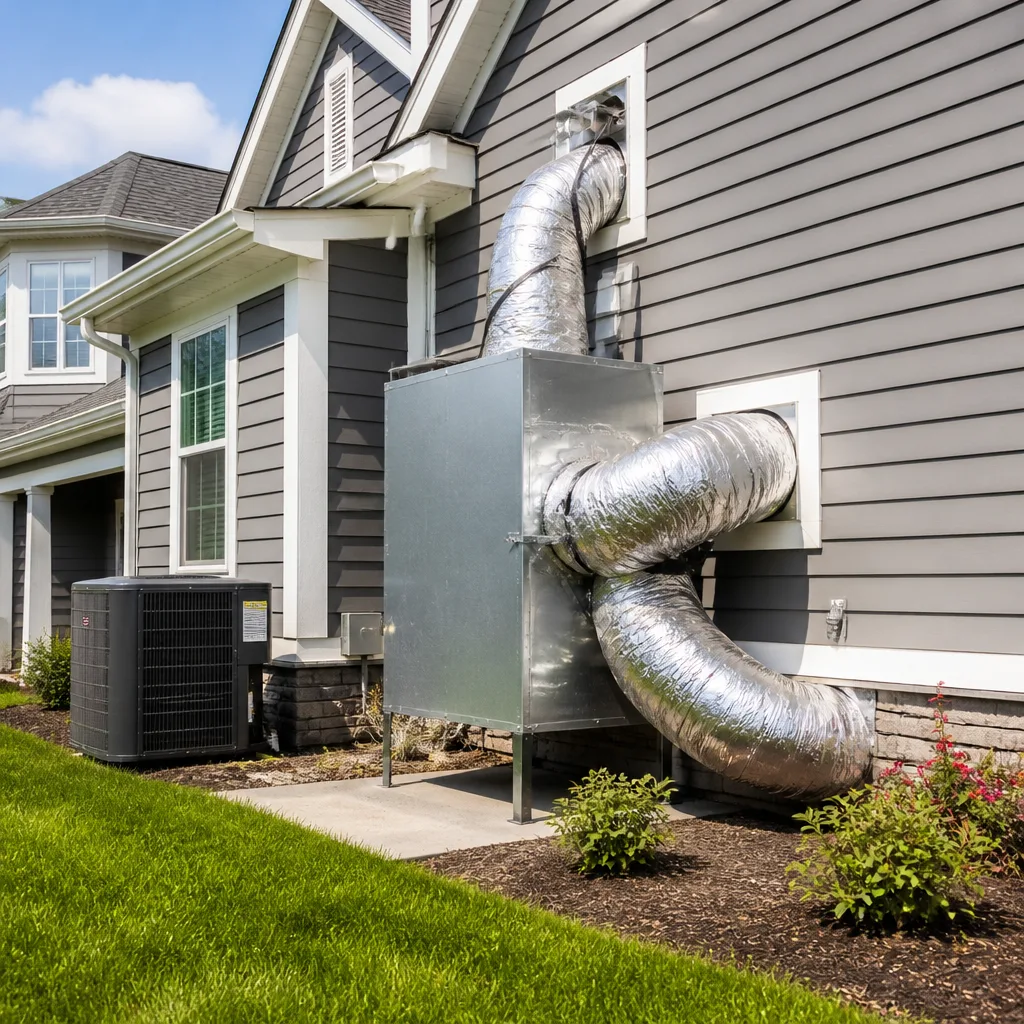 Whole-home duct cleaning
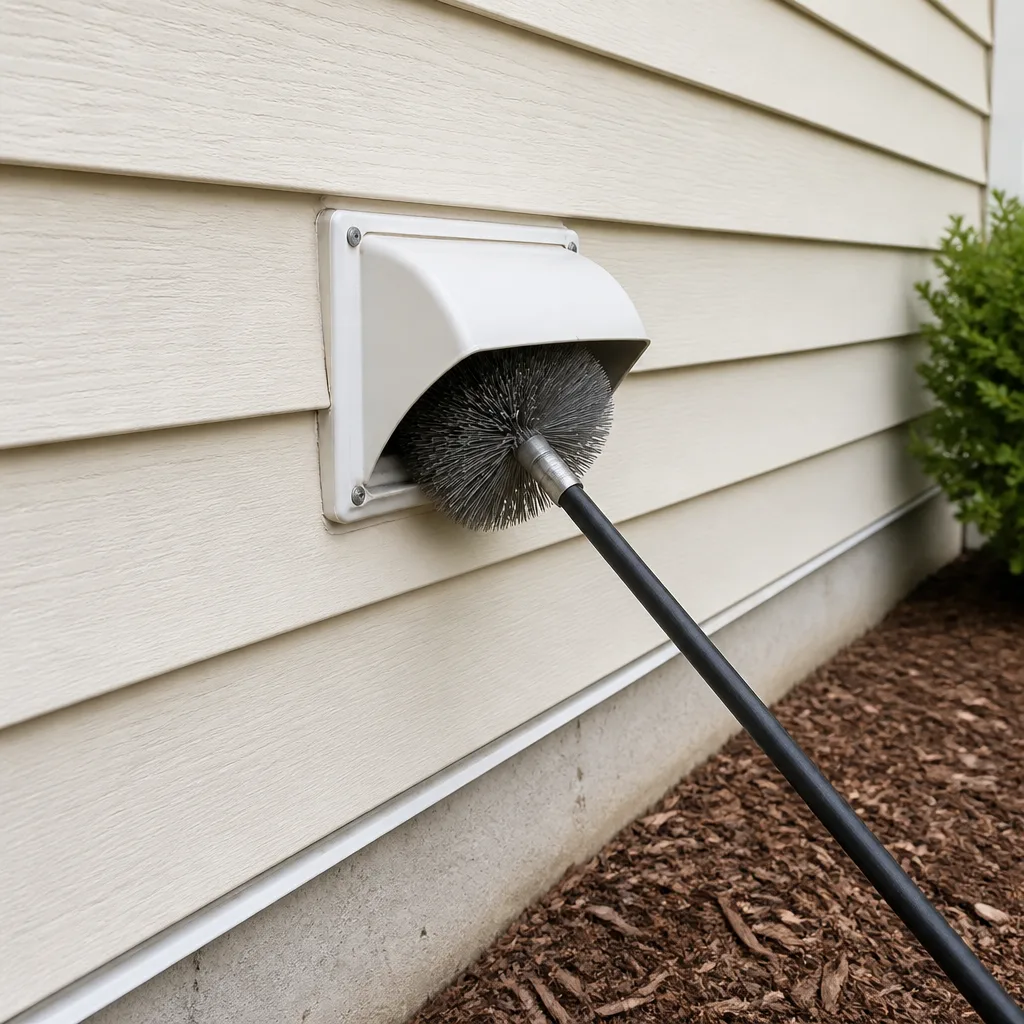 Dryer vent cleaning
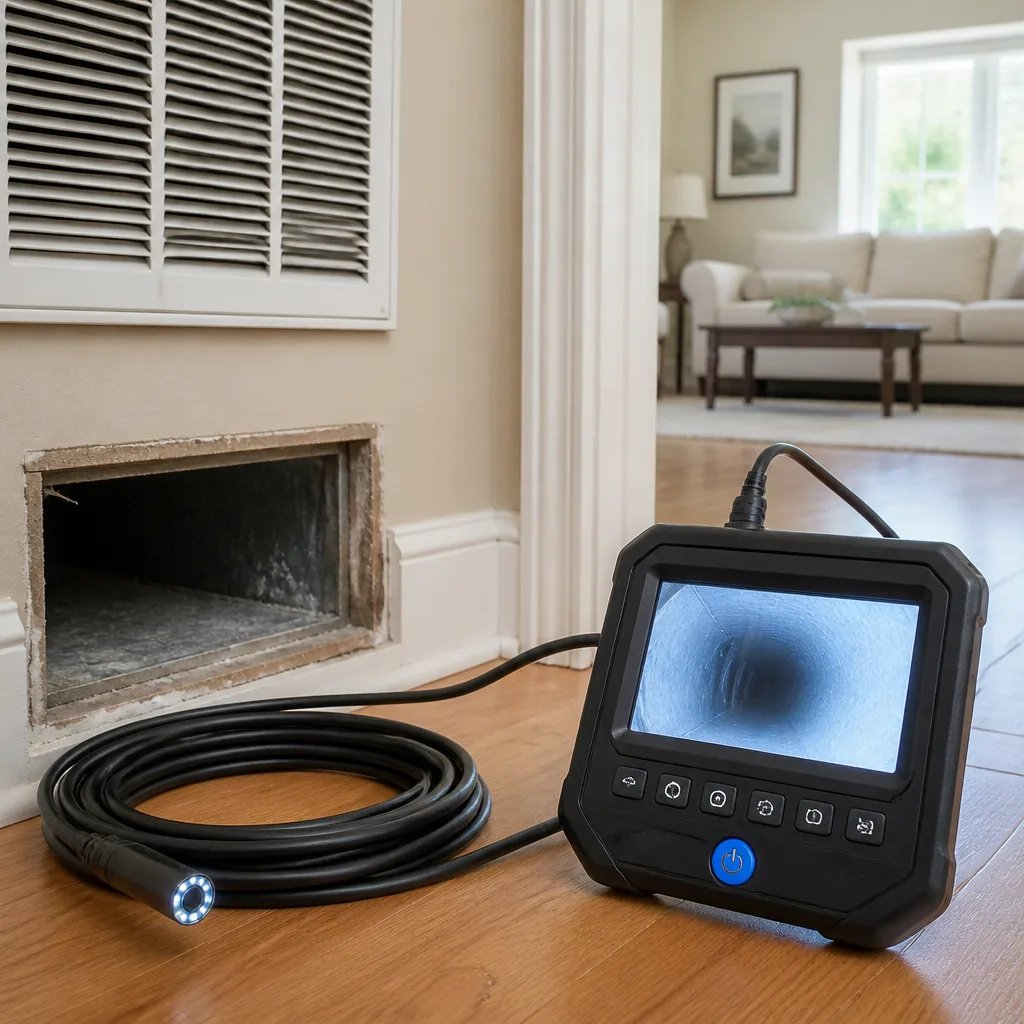 Camera inspection
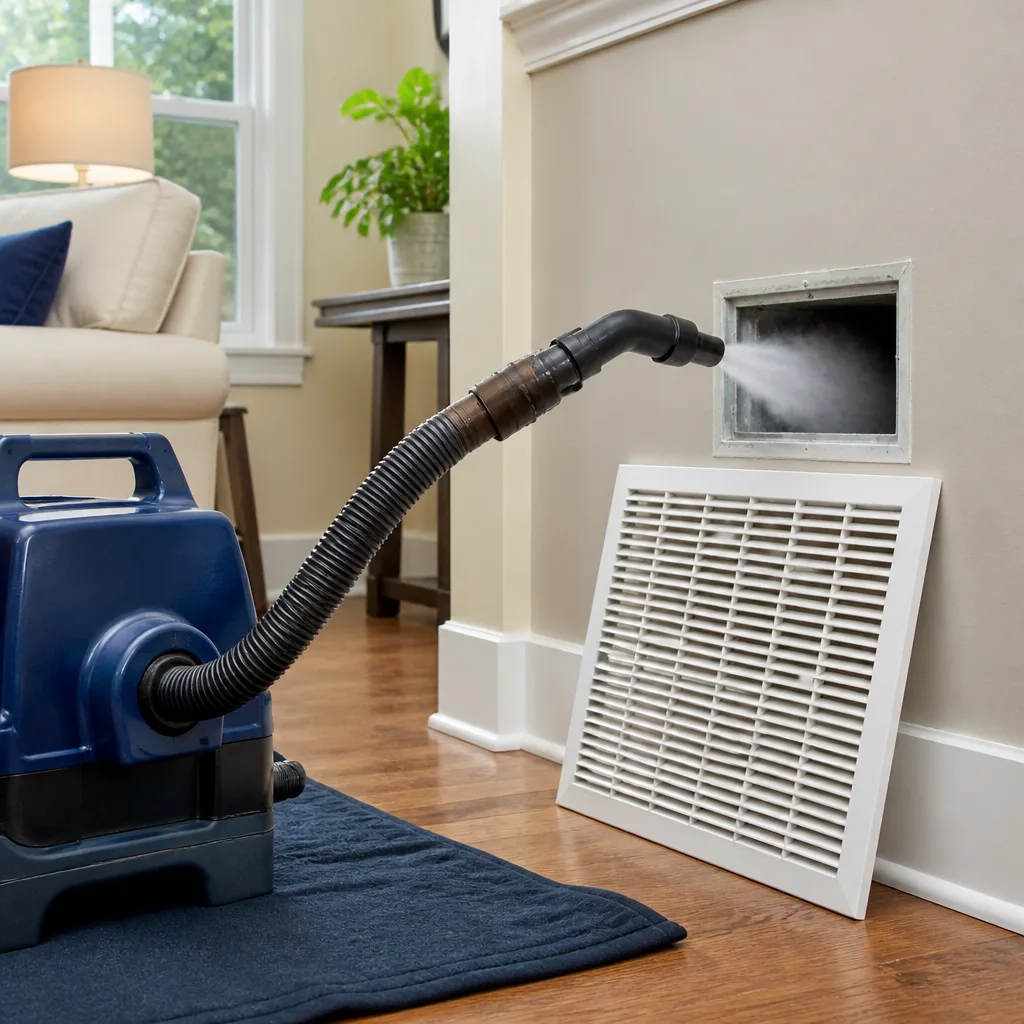 Sanitizing & deodorizing
Whole-system duct and dryer vent check with before-and-after photos - you see exactly what came out of your vents
That "$99 whole-house special" is a bait ad - the real number appears once they are in your hallway, or the "clean" is a shop-vac at the register. We photograph the inside of your ducts before and after instead.
The Complete Guide to Air Duct Cleaning in Lehi
You’ve probably read that ducts should be cleaned every three to five years. That number isn’t a standard, a code requirement, or a recommendation from any health agency. It has no scientific source behind it, and it shows up on nearly every cleaning company’s website because repeating it sells work. Here in Lehi, we see something more useful than a timer: a duct system is a pressurized network, and one contaminated segment sends debris through every room it serves. This guide explains the full-system framework we use, how high-altitude desert conditions and Lehi’s building boom change the picture, and how to tell real source-removal cleaning from blow-and-go work.
Quick Answer
Air duct cleaning in Lehi means removing accumulated debris from every component in the air pathway – supply and return ducts, the blower, the evaporator coil, registers, and plenums – using rotary-brush agitation and high-powered vacuum extraction, then sealing gaps so contamination doesn’t return. There is no mandatory cleaning interval. You need it when you can see contamination, smell it, or when a recent renovation, a new HVAC system, or a home that hasn’t had service in years leaves debris in the system.
Styles & brands we work with
- Whole-home duct cleaning
- Dryer vent cleaning
- Camera inspection
- Sanitizing & deodorizing
Table of Contents
- Why Lehi’s Climate and Growth Create Specific Duct Problems
- Source-Removal Cleaning vs. Blow-and-Go: What Actually Works
- The Components Most Cleanings Miss
- How to Verify the Work Was Actually Done
- When You Genuinely Need Cleaning (and When You Don’t)
- What a Professional Cleaning Involves, Step by Step
- Beyond the Ducts: Dryer Vents, Sealing, and Air Quality
- What It Costs and How Pricing Should Work
Why Lehi’s Climate and Growth Create Specific Duct Problems
Lehi sits in a high-altitude desert valley, and that changes the dust profile inside a home. Summers are dry and windy, spring brings fine soil particles off the surrounding foothills, and winter air is cold and dry enough that indoor humidity drops sharply. Fine mineral dust behaves differently from the lint-heavy dust you find in humid climates. It stays airborne longer, settles in the return plenum, and coats the evaporator coil with a powdery film that reduces heat transfer. A Lehi home that never had duct service can look spotless at the registers and still have a return chase packed with fine grit.
The building boom adds a second layer. New construction in Lehi is constant, and drywall dust, sawdust, and framing debris routinely end up in ductwork during a build or a major remodel. Those particles don’t stay put. Once the system runs, they migrate through the whole network and settle into the blower wheel, where an unbalanced, dust-loaded wheel strains the motor. Homes near active construction also pull exterior dust in through return leaks. New HVAC installs present the same issue: the system should be cleaned after installation, not before it.
We also see seasonal pressure swings. Wildfire smoke from summer inversions and valley temperature shifts push outdoor air through any gap in the duct system. That’s why sealing matters as much as cleaning in this area – a sealed, balanced system in a Lehi home holds pressure through both the dry summer and the cold winter.
Source-Removal Cleaning vs. Blow-and-Go: What Actually Works
Source-removal cleaning is the NADCA-standard approach: physically agitate the debris on every surface with mechanical tools, then extract it from the system under continuous negative pressure. Blow-and-go does the opposite. It blows compressed air into the ducts and lets a weak vacuum catch whatever it can, which often just moves the dirt into the living space or redistributes it deeper into the network.
The difference is equipment. We run Rotobrush and Nikro systems – contractor-grade rotary-brush and high-powered vacuum equipment built for this work. A rotary brush feeds through the duct on a whip and spins against the duct walls, knocking the dust film loose so the vacuum can capture it. Consumer-grade tools and low-suction shop vacuums can’t agitate that film, and they can’t hold negative pressure across the whole system while the work is happening.
Containment matters just as much. We use Abatement Technologies air filtration equipment during service, so airborne particles released during agitation get filtered rather than recirculated into your home. Here’s the practical test for any quote you get in Lehi:
- Does the company describe rotary agitation and continuous negative pressure, or just “air washing”?
- Do they name their equipment, or say only that it’s “industrial”?
- Will they show you before-and-after photos of your own ducts?
- Do they quote one flat price per system, or price it per vent?
Only one of these approaches actually removes contamination from your Lehi home. The other shuffles it around.
The Components Most Cleanings Miss
Most cleaning quotes cover the trunk lines and stop there. That’s a partial job. For a cleaning to hold, every component in the air pathway needs attention, because each one can recontaminate the others.
- Evaporator coil: The coil is where air crosses between the return side and the supply side. A dust-filmed coil loses cooling capacity and can hold moisture, which feeds microbial growth. Coil cleaning is part of HVAC cleaning, not a separate add-on to skip.
- Blower wheel and motor housing: A dust-loaded blower wheel becomes unbalanced and loses airflow. Cleaning the blower restores static pressure and reduces motor strain.
- Registers and grilles: Supply registers collect dust on the vanes and gaps around the frame. They should be removed, cleaned, and reseated.
- Return plenums and return chases: Return ducting is under negative pressure, so any leak pulls in unconditioned, unfiltered air from attics, crawlspaces, and garages. Return plenums are often the dirtiest part of the system and the most commonly skipped.
- Drain pan and condensate line: Standing moisture is a source of biological growth. It gets inspected and cleared as part of the HVAC portion of the job.
If your quote lists only “duct cleaning” with no mention of coil, blower, or plenums, ask specifically what’s included. Our HVAC cleaning covers the equipment and mechanical side so the ductwork isn’t cleaned back into a dirty system.
How to Verify the Work Was Actually Done
Verification is the missing step in most cleaning jobs. A reputable company should confirm the result with evidence, and you have every right to ask for it before paying. Here’s how to check:
- Before-and-after photos of your own ducts. The photos should be of your system, not a stock image. Look for the same bends and joints in both shots.
- Bore scope inspection. A camera fed into the supply and return ducts shows the interior walls. Contrast matters – a cleaned duct should show visible metal or duct board, not a fresh dust layer.
- Pressure testing. A duct-blaster test measures leakage before and after work. If sealing is part of the job, the numbers should change.
- Register-level check. Pop a register and look into the duct with a flashlight. A cleaned supply should be visibly clear at the takeoff.
Ask for this before the job and get it in writing. A company that won’t confirm its own work with evidence is telling you something about the work. You can read more about the specific service on our air duct cleaning page.
When You Genuinely Need Cleaning (and When You Don’t)
Duct cleaning is not a routine maintenance item the way an oil change is. It’s a corrective service. Some homes in Lehi need it badly; others only need a filter upgrade or a sealing job. The honest answer is that most calls we take fall into one category or the other, and it usually comes down to evidence.
You likely need cleaning if:
- You’ve finished a renovation, a remodel, or a new HVAC installation in the last year.
- You can see dust or debris at the registers, or a puff of dust comes out when the system starts.
- Your home hasn’t had duct service in several years and you notice more dust settling on surfaces.
- Someone in the household has allergies or asthma that seem worse indoors, especially during dry summer months.
- The system smells musty or stale when it kicks on, which points to moisture and microbial growth.
You may not need cleaning if:
- The real problem is a filter that’s too restrictive or fitted in a leaky slot. A filter upgrade with a proper seal often solves the dust issue.
- The issue is duct leakage, not contamination. Every leak in a return duct pulls in outside air and outdoor dust. Sealing can fix what cleaning alone can’t.
- The registers look clean and the system is only a few years old with regular filter changes.
In that second group, sealing and filtration upgrades are usually the right call. Our Lehi Air Duct Cleaning Pros team offers Duct Repair & Sealing precisely because cleaning a leaky system is a temporary fix – the leaks let contamination back in.
What a Professional Cleaning Involves, Step by Step
Here’s how a source-removal cleaning should go in a Lehi home, from intake to verification. Every step serves the goal of removing contamination and keeping it gone.
- Inspection. We walk the system – supply and return, coil, blower, plenums, registers – and note the problem areas and any leaks.
- System setup and containment. Registers and grilles come off, openings get sealed with access panels, and Abatement Technologies filtration equipment goes in place to capture particles during the work.
- Source removal. Rotary-brush agitation with Rotobrush and Nikro equipment loosens debris from every duct surface while the vacuum holds negative pressure. Contaminant extraction follows from every branch and the trunk.
- Component cleaning. The coil, blower, drain pan, and plenums get cleaned, because those hold the contamination that re-seeds the ducts.
- Optional sanitizing. After removal, Guardsman treatment options are available for post-cleaning surface protection and antimicrobial defense.
- Verification. Before-and-after photos and a visual check at the registers, so you can see the result.
- Reassembly and walkthrough. Registers go back, and we walk you through what we found and what to watch over the next season.
That last step matters in Lehi: dry summers and cold winters stress the system differently, and knowing what to watch helps you catch a leak or a dust load before it spreads.
Beyond the Ducts: Dryer Vents, Sealing, and Air Quality
The duct network is one part of the air pathway. Two other parts deserve attention in any Lehi home.
Dryer vent cleaning is a safety and efficiency item, not an optional extra. Lint buildup reduces airflow and creates a fire hazard, and vent runs in newer Lehi homes can be long with several elbows that collect lint faster than short runs. Cleaning the vent line restores proper airflow and shortens drying times. Our dryer vent cleaning is handled as part of our full-scope service, so one call covers it.
Air quality and sanitizing covers the equipment and treatment side. We carry and work with Aprilaire and Honeywell products for whole-home filtration and humidity control, and those are installed as part of the same visit when your system needs them. In a Lehi home, adding proper filtration upstream of the ducts keeps the cleaning from reversing itself over the next year. Filters and sealing go together.
The point is scope. Dust, allergens, lint, and moisture come from four different sources, and only cleaning the ducts leaves three of them untouched. A single visit that addresses all four is what makes the result last.
What It Costs and How Pricing Should Work
Pricing for air duct cleaning is one flat rate per system, quoted in writing before any work starts, and based on the number of systems, size, and the condition we find on inspection. That’s the structure we use because it’s the only fair one. Per-vent pricing and low teaser coupons are how a job gets from a reasonable figure to a much larger invoice once the technician is already in the house. Avoid that pattern.
When you get quotes in Lehi, ask three questions:
- What’s the flat price for my whole system? A number, not a range or “starting at.”
- What’s included? Ducts, coil, blower, plenums, and registers should all be spelled out.
- How will you show me it’s done? Before-and-after photos and a visual inspection should be standard.
Some quotes will be dramatically cheaper. Usually that means blow-and-go work, no containment, no coil or blower cleaning, and no verification. Compare scope and method, not just the number. Estimates are free, and the written estimate sets the final price.
Common Mistakes to Avoid
- Trusting the “every 3-5 years” rule. No health agency mandates a cleaning interval. Base your decision on evidence – renovation dust, visible debris, musty smells, or a new install – not on a calendar someone with a cleaning business told you to follow.
- Hiring a blow-and-go company. If a quote describes air washing with a weak vacuum and no rotary agitation, walk away. Blowing debris around doesn’t remove it and can push it into your Lehi home.
- Skipping the coil and blower. Cleaning the ducts while leaving a dust-filmed coil and a loaded blower means the contamination comes right back. The full air pathway has to be addressed.
- Ignoring duct leaks and sealing. Every gap in a return duct pulls in outside air and dust, so cleaning a leaky system is temporary. Sealing fixes the root cause.
- Settling for per-vent pricing. Per-vent quotes invite add-ons and surprise charges. A flat price per system confirmed before work begins is the fair structure.
- Forgetting the dryer vent. Lint buildup is a fire and efficiency hazard, and a full-pathway visit should include it. It’s the item most often left off the list.
- Skipping verification. If you never see photos or a bore-scope check, you have no way to know the work was done. Ask before the job starts.
See the difference
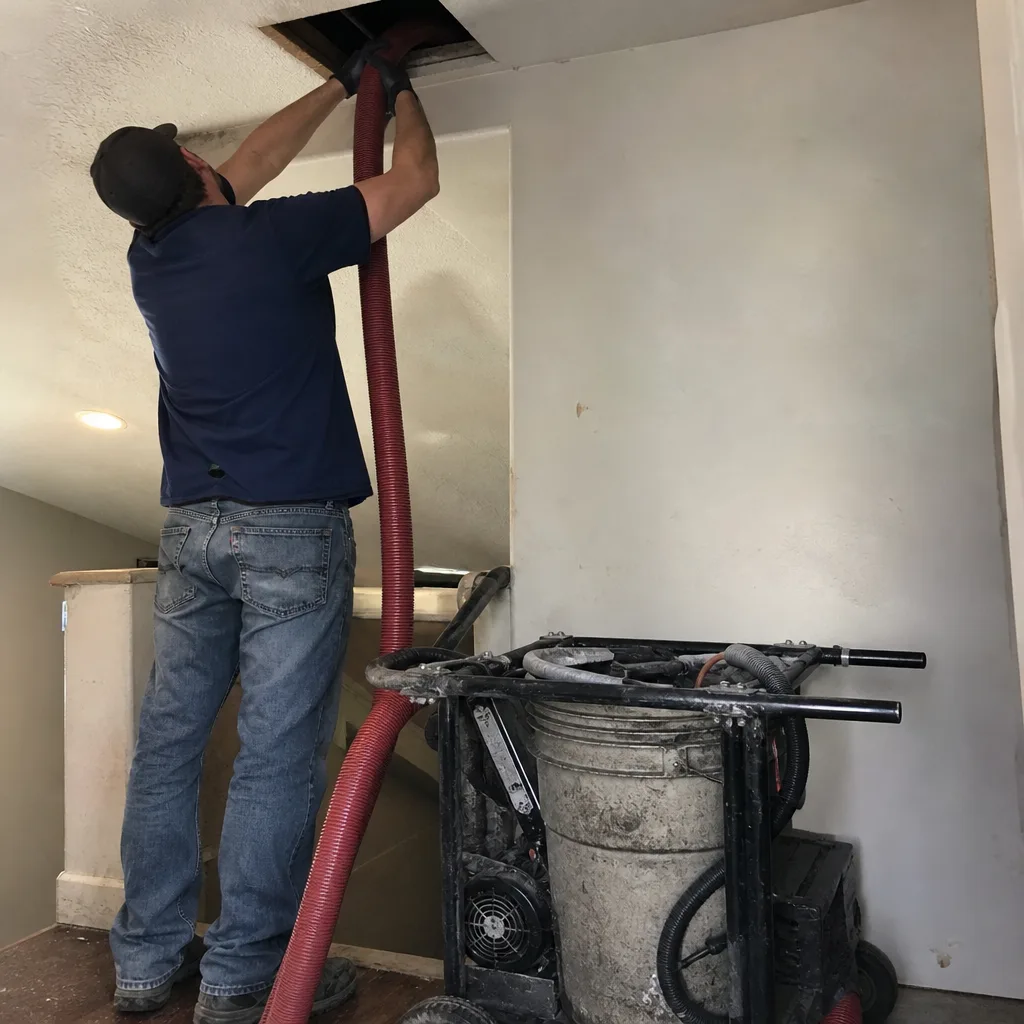 Before
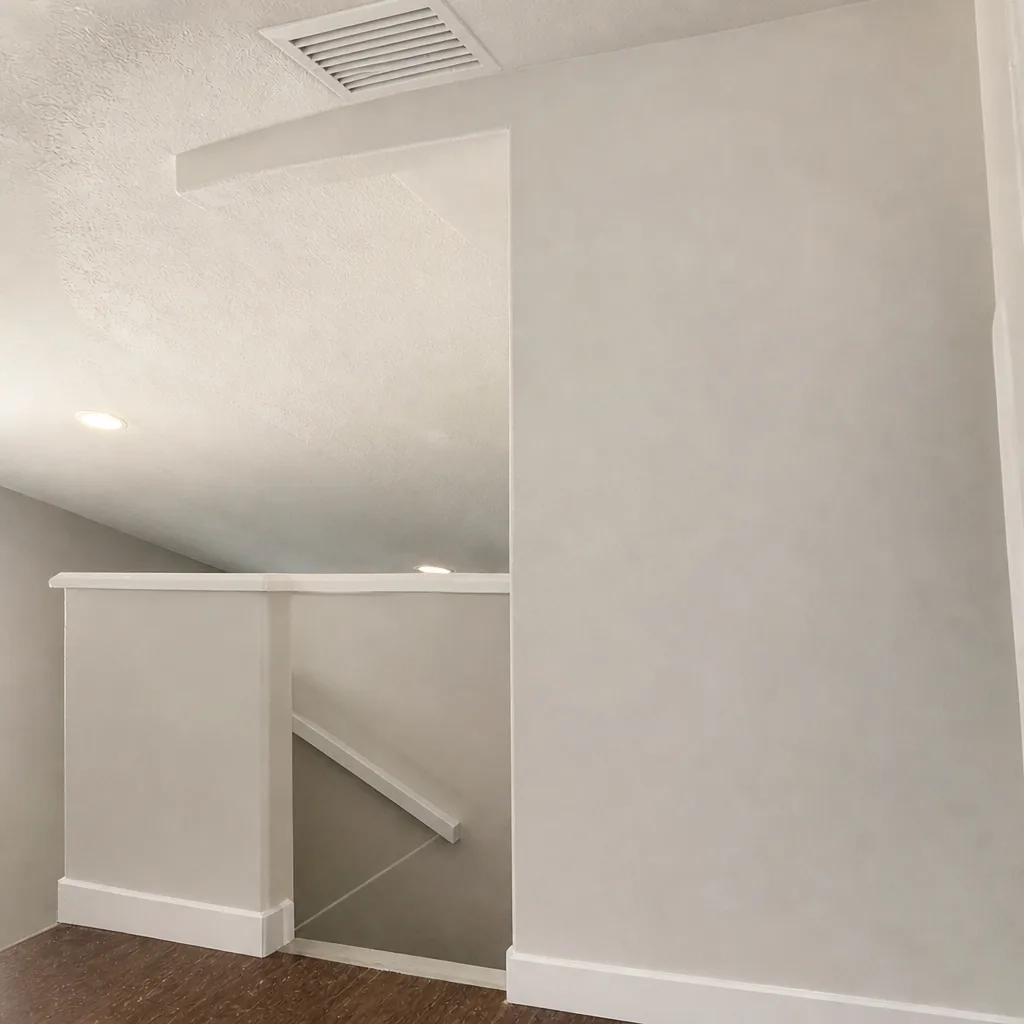 After
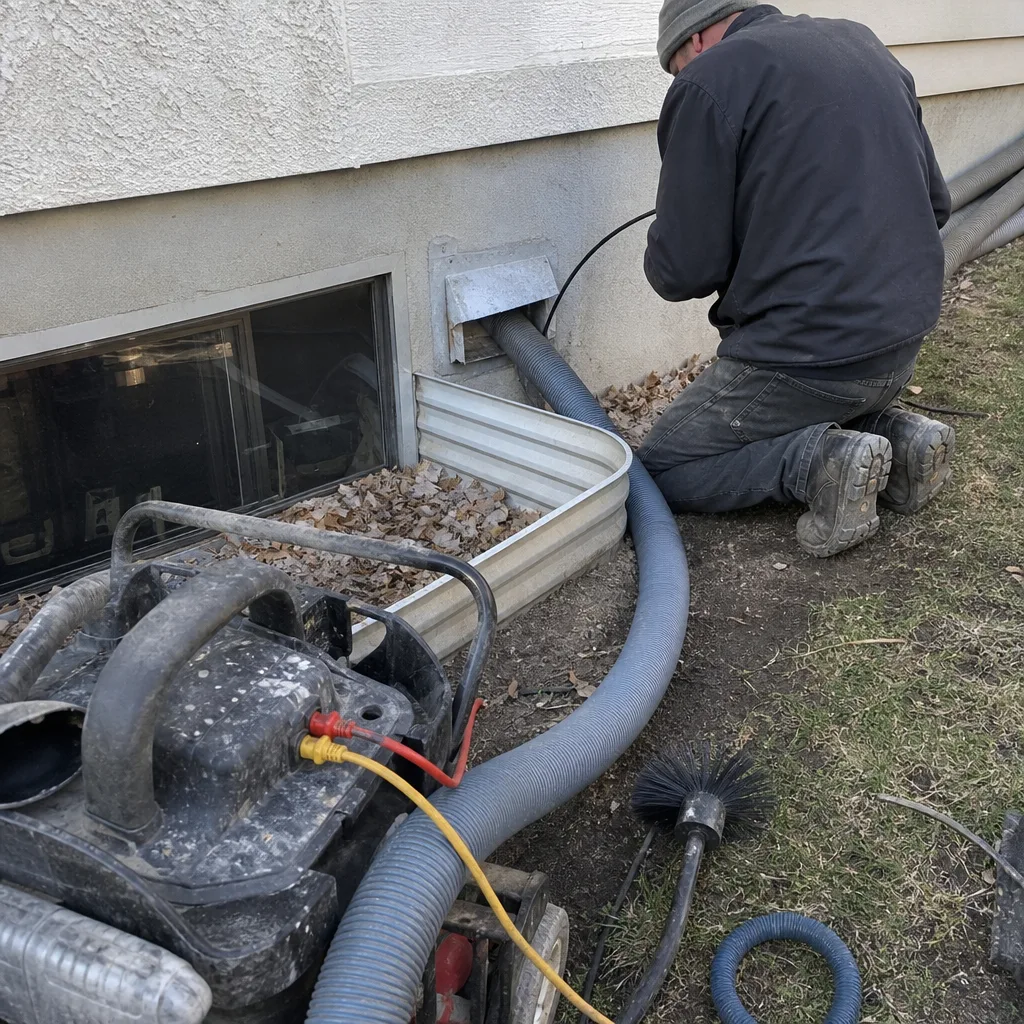 Before
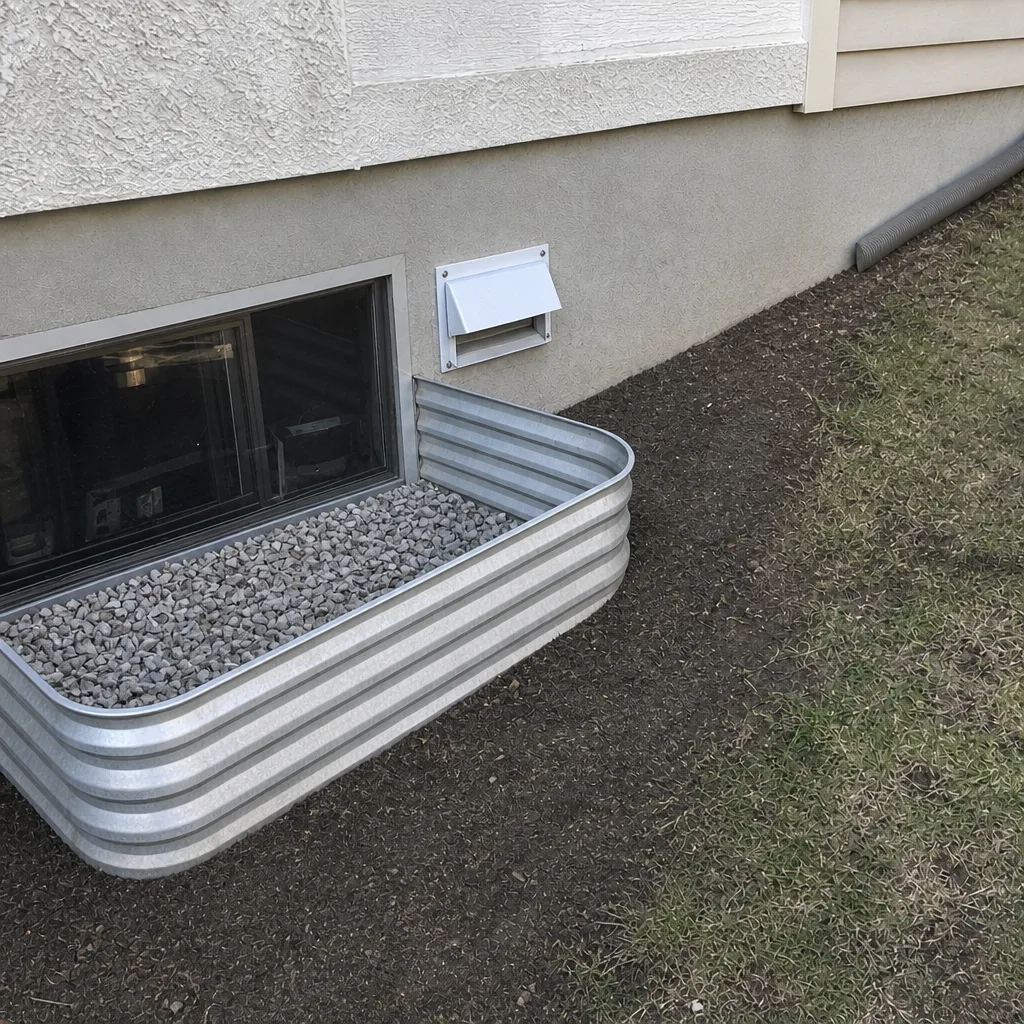 After
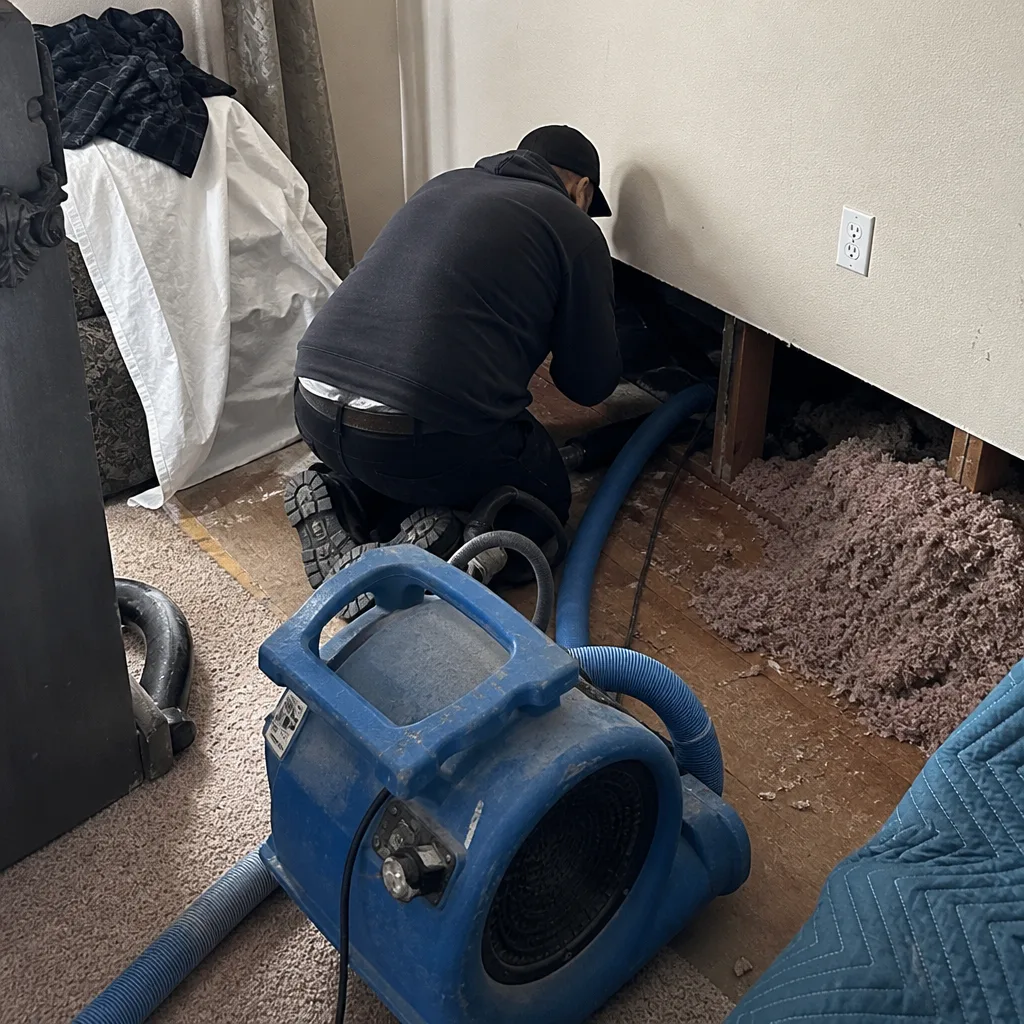 Before
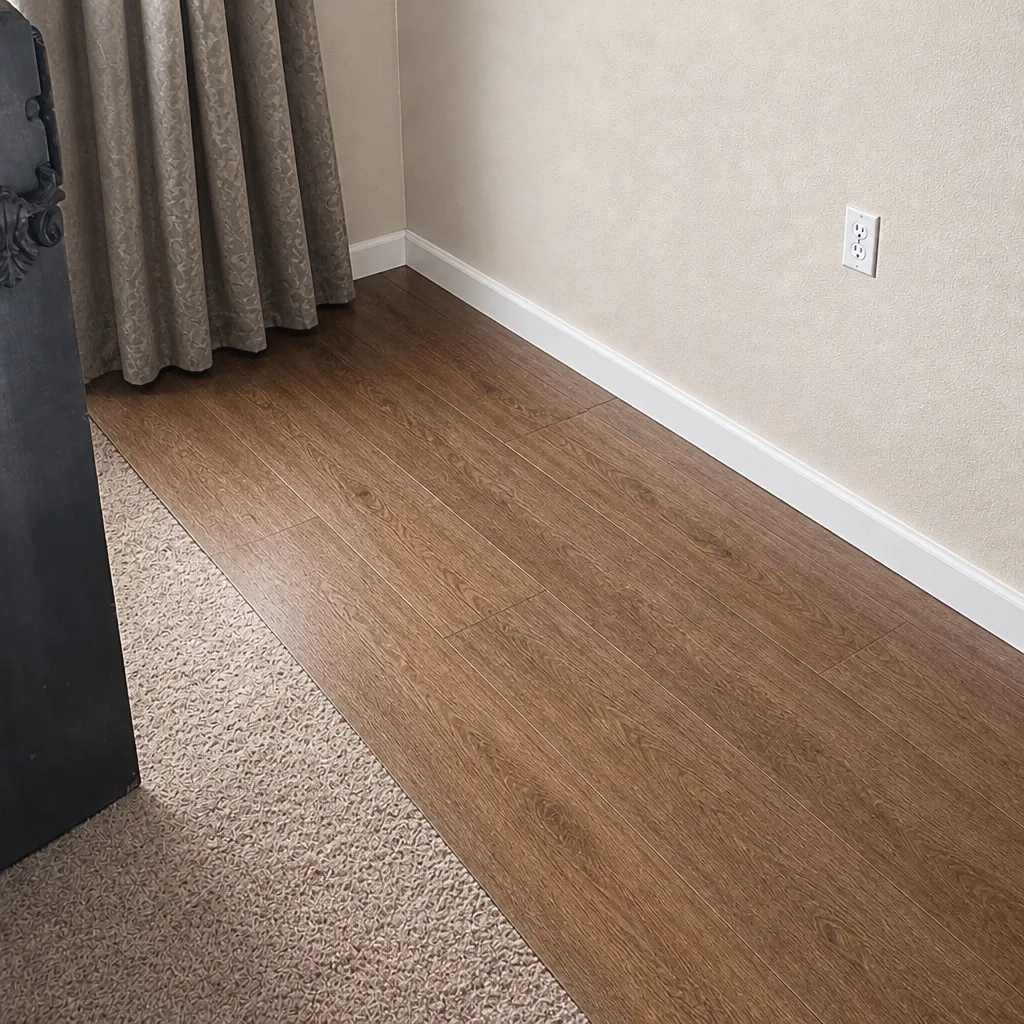 After
When to Call a Professional
Some situations call for a specialist rather than a filter change or a DIY effort. Call a professional if you’ve just finished a renovation or a new HVAC install and debris needs removing from the system, if you can see or smell contamination, if the coil or blower is caked in dust, or if you’ve spotted leaks in the ductwork that need sealing. The components inside a modern system – the coil, the blower wheel, the pressurized plenums – require contractor-grade equipment to clean without damaging them. Lehi Air Duct Cleaning Pros offers free estimates in Lehi – call (855) 579-6778. We answer 24/7. Fast dispatch from 7am to 7pm, Sunday through Friday.
Frequently Asked Questions
There’s no required interval, and the common “3-5 year” advice has no public health source behind it. Clean when you have evidence: renovation debris, visible contamination, musty odors, a new HVAC install, or a home that hasn’t had service in several years. In our experience, Lehi homes with heavy dusty seasons and recent construction benefit most from cleaning after a build or remodel rather than on a schedule. Call (855) 579-6778 for a free estimate – we’ll tell you honestly whether cleaning is needed.
Pricing is one flat rate per system, quoted in writing before work starts, and based on the number of systems, home size, and duct condition. Per-vent pricing and teaser coupons are the red flags to watch for, because they turn into larger invoices once the technician is on site. Call (855) 579-6778 for an exact quote – estimates are free.
Cheap quotes usually mean blow-and-go work: no rotary agitation, no coil or blower cleaning, no containment, and no verification. That’s a smaller job, not a better deal. Ask what equipment they use and whether the coil, blower, and plenums are included. Call (855) 579-6778 to compare scope, not just price.
Ask for before-and-after photos of your own ducts, a bore-scope inspection, and a visual check at the registers. A reputable company will show you the result, and a duct-blaster pressure test adds numbers if sealing is part of the job. Call (855) 579-6778 to schedule an estimate.
Yes – drywall dust, sawdust, and framing debris routinely end up in the duct system during a remodel or a new build, and once the system runs, that debris spreads through the whole network. Cleaning after the work is finished protects the blower and coil from that load. Call (855) 579-6778 for a free estimate.
Cleaning removes contamination; sealing closes the gaps and leaks that let it back in. In Lehi, where dry seasons and temperature swings push outdoor air through gaps, the two usually go together – cleaning a leaky system is temporary. Call (855) 579-6778 and we’ll tell you which one your home actually needs.
The Bottom Line
Air duct cleaning isn’t a calendar item. Treat the duct system as a pressurized network, not a set of pipes, and the right questions become obvious: is there evidence of contamination, is every component in the pathway addressed, is the work verified, and is the price a flat rate before anything starts. In Lehi, high-altitude desert dust and constant construction put more debris into ductwork than many homeowners expect, and leaks let it back in. Clean, seal, and verify – in that order. If you want a free, no-pressure assessment, call (855) 579-6778. We answer 24/7. Fast dispatch from 7am to 7pm, Sunday through Friday.
Written by the team at Lehi Air Duct Cleaning Pros.