
Last updated November 25, 2026
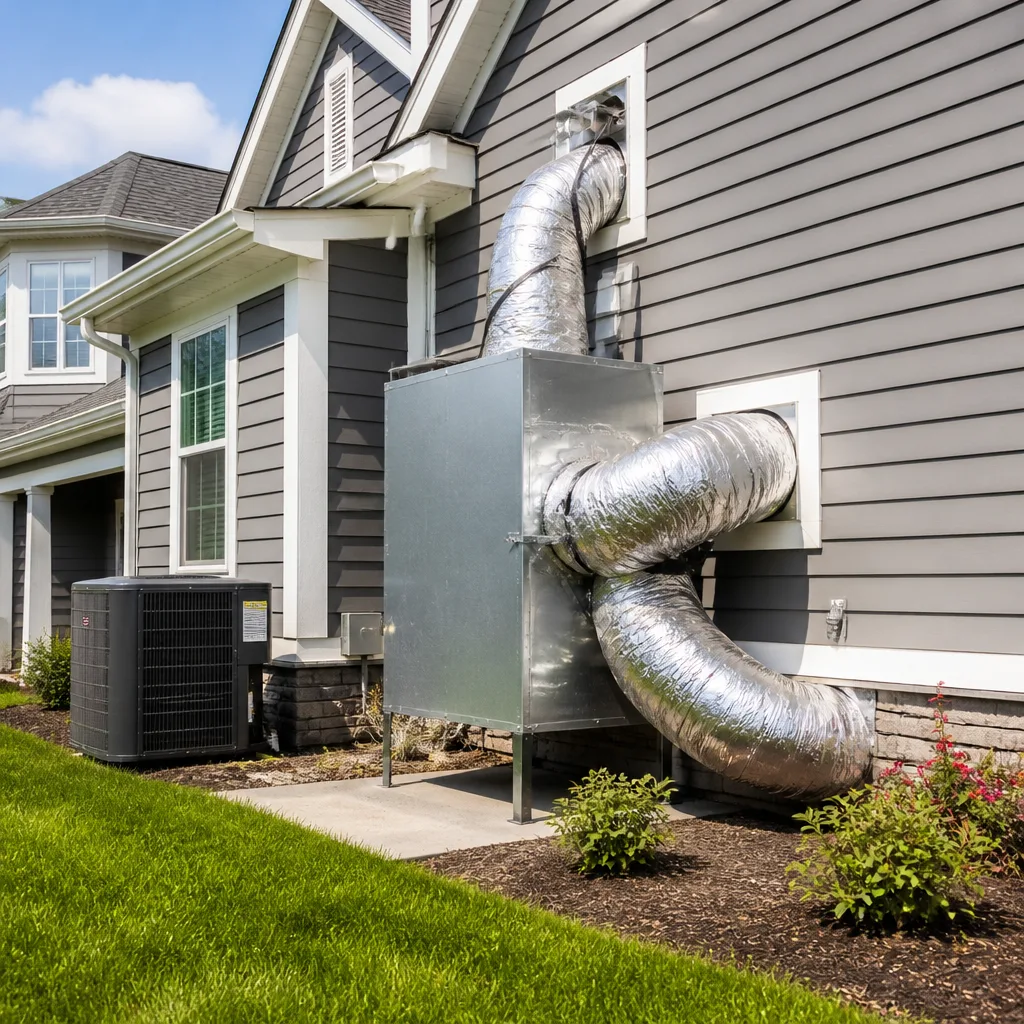 Whole-home duct cleaning
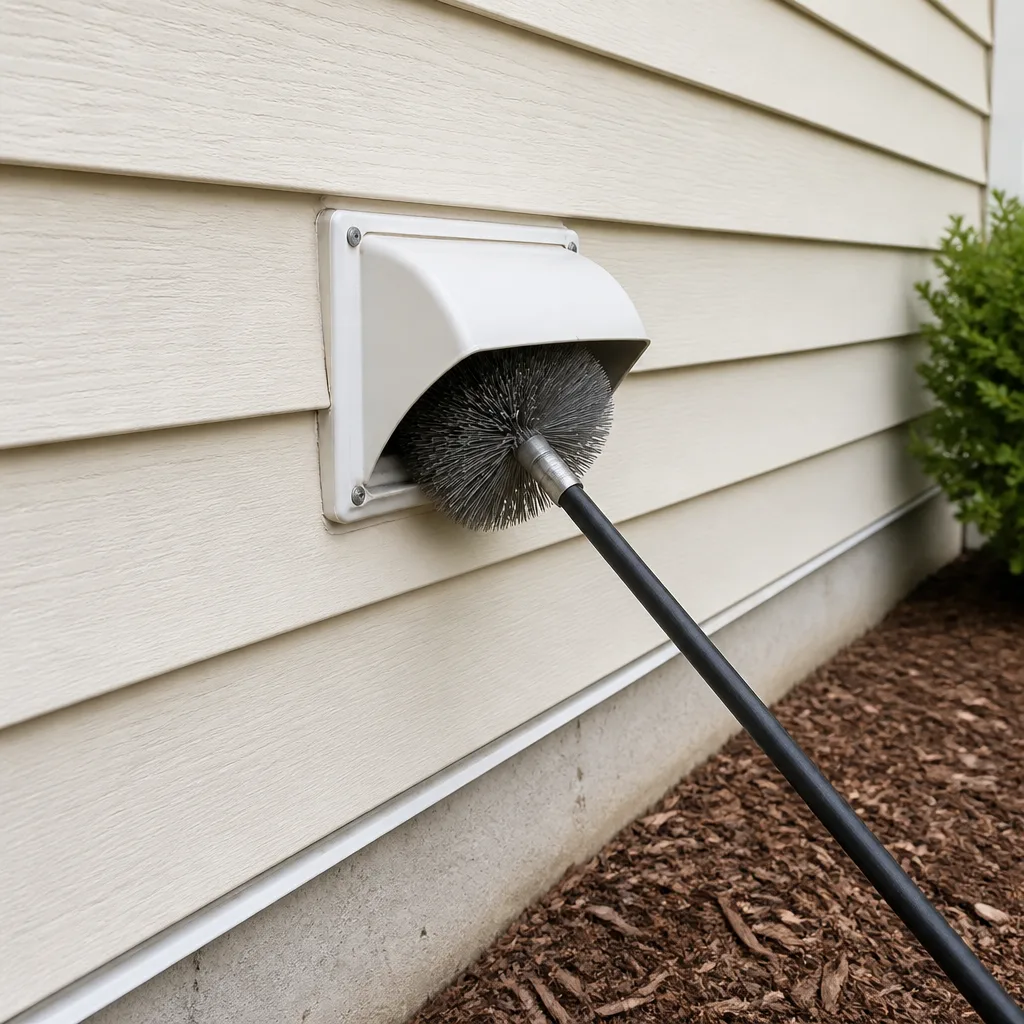 Dryer vent cleaning
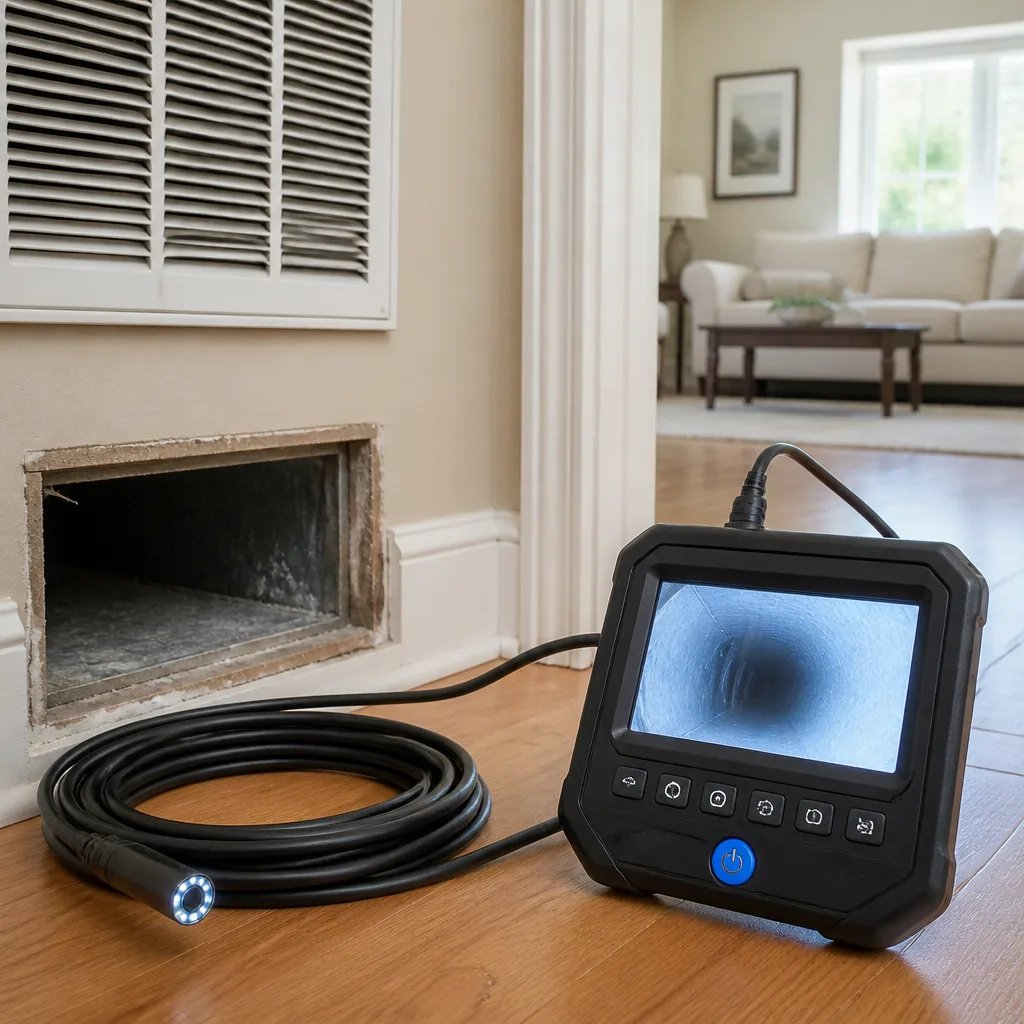 Camera inspection
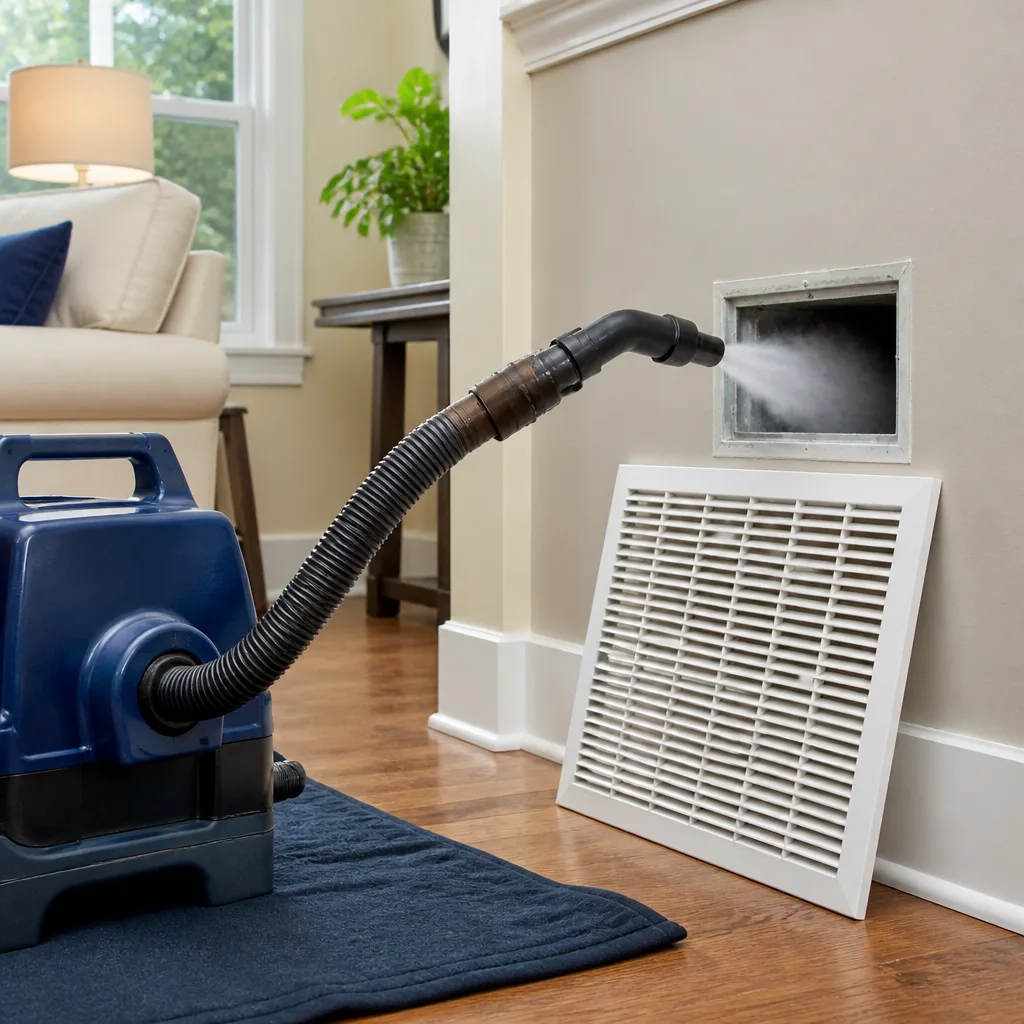 Sanitizing & deodorizing
Whole-system duct and dryer vent check with before-and-after photos - you see exactly what came out of your vents
That "$99 whole-house special" is a bait ad - the real number appears once they are in your hallway, or the "clean" is a shop-vac at the register. We photograph the inside of your ducts before and after instead.
Air Duct Cleaning Maintenance Checklist for Lehi Homeowners
Most duct cleaning advice tells you to schedule service “every three to five years” and leaves it there. That’s the wrong way to think about it. Your ducts don’t degrade on a calendar. They degrade when something happens: a new subdivision goes up down the street, your HVAC switches from heat to cooling, a filter collapses in its slot, or someone new moves in and stirs up years of settled dust. In Lehi, where building crews are working in nearly every direction, drywall particulate and construction dust are the real clock. This guide gives you a trigger-based checklist instead of a static one, so you know what to check and when to check it. We’ll cover filter ratings for Lehi’s dust load, a 10-minute inspection you can do yourself, the drain pan and coil items most checklists skip, and how to keep records that matter at resale.
Quick Answer
You don’t need a fixed calendar for duct cleaning in Lehi. You need to inspect on triggers: after nearby construction, after any HVAC repair, after an occupancy change, and after a wildfire smoke event. Between professional cleanings, check your filter monthly, look inside accessible register boots twice a year, and keep a simple service log. For a full-system cleaning, call (855) 579-6778 for a free estimate.
Styles & brands we work with
- Whole-home duct cleaning
- Dryer vent cleaning
- Camera inspection
- Sanitizing & deodorizing
Table of Contents
- Why Calendar-Based Duct Cleaning Fails in Lehi
- The Trigger-Based Checklist
- Filter Ratings for Lehi’s Dust Load
- The 10-Minute DIY Visual Inspection
- Drain Pan and Coil Maintenance: The Missed Accelerators
- Why Cleaning Without Sealing Is Half a Job
- Documentation Habits That Pay Off Later
- Seasonal Timing for Lehi’s Climate
Why Calendar-Based Duct Cleaning Fails in Lehi
Lehi added over 2,000 new housing units in a single recent year. That’s good news for the city, but it’s noisy, dusty news for your ducts. Every new build nearby means cut drywall, sanded joint compound, and sawdust tracked into the air. Some of that particulate finds its way into your return air, and your standard filter catches only a fraction of it.
A “clean every three years” rule ignores this. In a quiet neighborhood with mature landscaping, three years might be fine. In a Lehi subdivision where a dozen homes went up in the last two seasons, the same three-year interval is too generous. What actually matters is what’s happening around and inside your house.
Think of your duct system as a passive collector. It doesn’t move dust on its own, but every time the blower runs, air returns through the grilles and whatever’s floating in that air follows it. That includes construction dust, cooking particulate, pet dander, and on certain days, smoke pulled in from the wider valley.
The other misconception we run into: homeowners assume new construction ducts are clean because everything is new. They usually aren’t. Construction debris, dust from crews, and even small material scraps can lodge in branch lines. If your home is under five years old in a still-developing part of Lehi, that’s a reason to look sooner, not later.
This isn’t about selling more cleanings. It’s about timing the work to the events that actually degrade the system. Here’s what that looks like.
The Trigger-Based Checklist
Use this checklist for the events that matter. If any of the following happens, do the specific inspection or service noted next to it.
- New construction within a block or so. Check register boots for drywall dust and fine gray particulate within a few weeks of demolition or framing activity. If your returns show visible buildup, schedule an inspection.
- Kitchen or bathroom remodel inside your home. Drywall dust from a remodel is stubborn. Run your HVAC less during active construction if you can, tape over register grilles in the work zone, then inspect before returning to normal operation.
- HVAC repair or replacement. When a technician has the system open, ask them to check for debris or disconnected ducts nearby. A new air handler paired with dirty ducts will drag contamination into the coil.
- Occupancy change. Moving into a home, adding a renter, or finishing a basement adds hair, skin cells, and fibers at a new rate. Do a visual inspection shortly after.
- Wildfire smoke events. During regional smoke, run the fan less frequently and check filters more often. If you smell smoke indoors with the system running, that’s a sign of a leak or gap worth addressing.
- Filter failure. A filter that collapses, gets wet, or is bypassed leaves particulate to hit the coil and lodge in the ducts. Replace it and check downstream for buildup.
- Pets or allergy sufferer joins the household. Higher particulate load means more frequent filter changes and a closer eye on the duct system.
We bring air duct cleaning equipment from Rotobrush and Nikro to each Lehi job. Those systems agitate and extract debris from branch lines far better than shop-vac style gear. If you’re not sure your trigger warrants a full cleaning, that’s exactly what a free inspection answers.
Filter Ratings for Lehi’s Dust Load
Lehi sits in a valley with substantial airborne dust, especially in spring and summer when wind picks up. That pushes most homeowners toward higher filter ratings, which is reasonable, but there’s a trade-off that gets ignored.
A filter’s MERV rating measures how well it captures particles. Higher MERV means smaller particles are caught. But higher MERV also means more resistance to airflow. Push that too far for your system’s design, and static pressure in the ducts climbs. That can reduce airflow, strain the blower, and in some cases cause the system to bypass the filter entirely by pulling air through gaps.
For most Lehi homes, a MERV 8 to MERV 11 filter is a practical starting range. MERV 13 is common in homes with allergy sufferers or in areas with heavy dust, but it’s worth confirming your HVAC system is designed to handle it. Thicker filters (4-inch pleats instead of 1-inch) handle MERV 13 with less pressure drop because they have more surface area.
If you want to move beyond filters, whole-home filtration is available. We install and work with Aprilaire and Honeywell air quality products that upgrade filtration beyond what a furnace slot can do. That’s often a better long-term answer than a high-MERV filter that’s slowing your system down.
- MERV 8: Standard for most homes, good balance of protection and airflow.
- MERV 11: Better particle capture, still manageable for most systems.
- MERV 13: High capture, best in a 4-inch pleat or with confirmed system compatibility.
- Beyond MERV 13: Usually requires a dedicated filtration unit, not a slot filter.
Check your filter monthly during heavy dust season. A filter that looks clean on the surface can be loaded inside the pleats.
The 10-Minute DIY Visual Inspection
You can spot most developing duct problems without tools. Do this every few months, and always after one of the triggers above.
- Remove a floor or wall register grille. Most pop off with two screws or lift out of a frame. Look inside the boot with a flashlight.
- Look for visible dust film. A light gray film is normal between cleanings. A thick, sticky, or dark coating means it’s time for a professional cleaning.
- Check for debris. Construction material, small scraps, or pet hair clumps inside the boot point to a bigger problem upstream.
- Sniff the airflow. Musty or stale smells often indicate moisture somewhere in the system, not just dirt.
- Feel for weak airflow. Weak airflow at a register can mean a disconnected or leaking duct in the branch line.
- Check the return grille. Returns pull in more dust than supplies. Look for buildup on the grille face and inside the boot.
- Look around baseboards and grilles for gaps. Air leaking around a register boot is air bypassing the filter.
This is a visual check only. Do not open the furnace cabinet or climb into a crawlspace to inspect ductwork yourself. High-voltage components and tight spaces are for trained professionals. Note what you find, and let us know on the call.
Drain Pan and Coil Maintenance: The Missed Accelerators
Most duct cleaning checklists skip the two items that do the most to turn a clean system dirty again: the condensate drain pan and the evaporator coil. When either gets neglected, the whole duct system pays for it.
Here’s the chain. The evaporator coil sits above the drain pan. Moisture condenses on the coil and drips into the pan. If the pan is clogged or the coil is fouled, that moisture sits. Sitting water grows biological growth, and the blower pulls air across it. That air travels straight into your ducts. Within a season, a clean duct system can develop a musty smell that no amount of cleaning fixes if the source is still wet.
This is why “clean the ducts” is only part of the answer. The full air pathway matters. Residential HVAC cleaning addresses the coil, cabinet, and blower assembly. Post-cleaning sanitizing, with Guardsman treatment options available, tackles surface growth left on wet components.
- Drain pan: Check for standing water and algae growth. The pan drain should flow freely.
- Evaporator coil: A fouled coil diminishes cooling and blows dust downstream.
- Blower wheel: A dirty blower wheel throws unbalanced air and reduces airflow.
- Cabinet interior: Debris inside the air handler cabinet ends up in the ducts.
All of this is a professional’s work. Opening an air handler and cleaning a coil safely requires trained hands. Do not attempt it yourself.
Why Cleaning Without Sealing Is Half a Job
Imagine cleaning a room, then leaving a window open. That’s what happens when you clean ducts without addressing leaks. Leaky ducts let in attic air, crawlspace dust, and humidity. The system gets redirty in a fraction of the time, and you paid for a cleaning that didn’t stick.
Duct leaks matter for two reasons. Contamination gets pulled in through gaps in the branch lines and at boots. And conditioned air leaks out into unconditioned space, which costs energy and reduces comfort at the far registers.
Duct repair and sealing is often the missing piece. We identify gaps at joints, disconnected branch lines, and loose boots, then seal them so the cleaned system stays clean and the airflow reaches where it should. Our technicians have up to 15 years of experience with this work, and in older Lehi homes it’s sometimes the highest-impact thing you can do for indoor air.
So the practical rule: any time you clean, ask about sealing at the same time. It’s the difference between a fresh start and a repeat visit.
Documentation Habits That Pay Off Later
Keep a service log. It sounds boring, and it takes five minutes. It’s also one of the most useful pieces of paper you’ll hold if you sell your home or file an insurance claim.
Here’s what to keep:
- Dates of service. What was done, by whom, and when.
- Equipment used. Rotobrush and Nikro equipment stands out in a log because it signals professional work, not a handyman with a shop vac.
- Repairs performed. Duct sealing, filter changes, coil cleaning, any HVAC work.
- Before-and-after photos. Reputable companies provide these. Save them.
- Filter brand and MERV rating. Useful for troubleshooting airflow changes later.
At resale, a documented air pathway history tells buyers the home was maintained. If a fire or water-loss claim ever involves your HVAC, the same log shows your ducts were serviced before the event, which supports your claim. It also makes it easier to order parts and match filter sizes.
We provide before-and-after photos of your own ducts after each cleaning. That’s a record you can drop straight into the log.
Seasonal Timing for Lehi’s Climate
Lehi’s seasons are distinct enough to warrant specific timing, even in a trigger-based checklist. Some items make more sense in specific months.
Spring and early summer bring wind-driven dust from the valley. That’s a good time to swap filters and run a visual inspection. Wildfire smoke most often hits the valley in summer and early fall, so watch for that and check filters more frequently during active events.
The switch from heating to cooling (typically May or June) is a good trigger to check for the transition-related issues: cooling coil moisture, drain pan flow, and whether any debris collected during the dry heating season has been pulled into the blower area.
Fall is the best window for a full duct cleaning if you’re going to schedule one, because it clears summer’s accumulation before the heating season locks the house up. It’s also a good time to inspect for humidity problems as your system starts running more.
Winter in Lehi is dry, and static dust rises indoors. A filter that seemed fine in October will load faster in January. Check it monthly.
Dryer vent cleaning belongs on its own schedule. Lint accumulates year-round, and dryer vent cleaning is a fire-safety item, not just an efficiency one. We handle dryer vent cleaning as a separate service, and it’s worth doing at least once a year or whenever dry times stretch unreasonably long.
Common Mistakes to Avoid
- Trusting “new construction = clean ducts.” New homes in a still-building Lehi neighborhood often carry more construction dust than settled ones. Don’t assume new means clean.
- Going straight to MERV 13 or higher. A filter your system wasn’t designed for can boost static pressure and reduce airflow. Check compatibility first, or step up to a dedicated filtration unit.
- Cleaning ducts without addressing leaks. A cleaned system with loose joints just re-dirties. Repair and sealing is half the job.
- Skipping the coil and drain pan. The two items most checklists miss. Neglect them and any duct cleaning gets undone in a season.
- Running the HVAC at full draw during a remodel. Tape registers in the work zone and run less during active drywall work. Or you simply move the dust into the ducts.
- Not keeping records. Five minutes with a log saves arguments at resale and strengthens insurance claims.
- Sticking to a fixed 3-to-5-year calendar. Lehi’s construction pace and wildfire smoke mean the right interval depends on what’s actually happening. Inspect on triggers.
See the difference
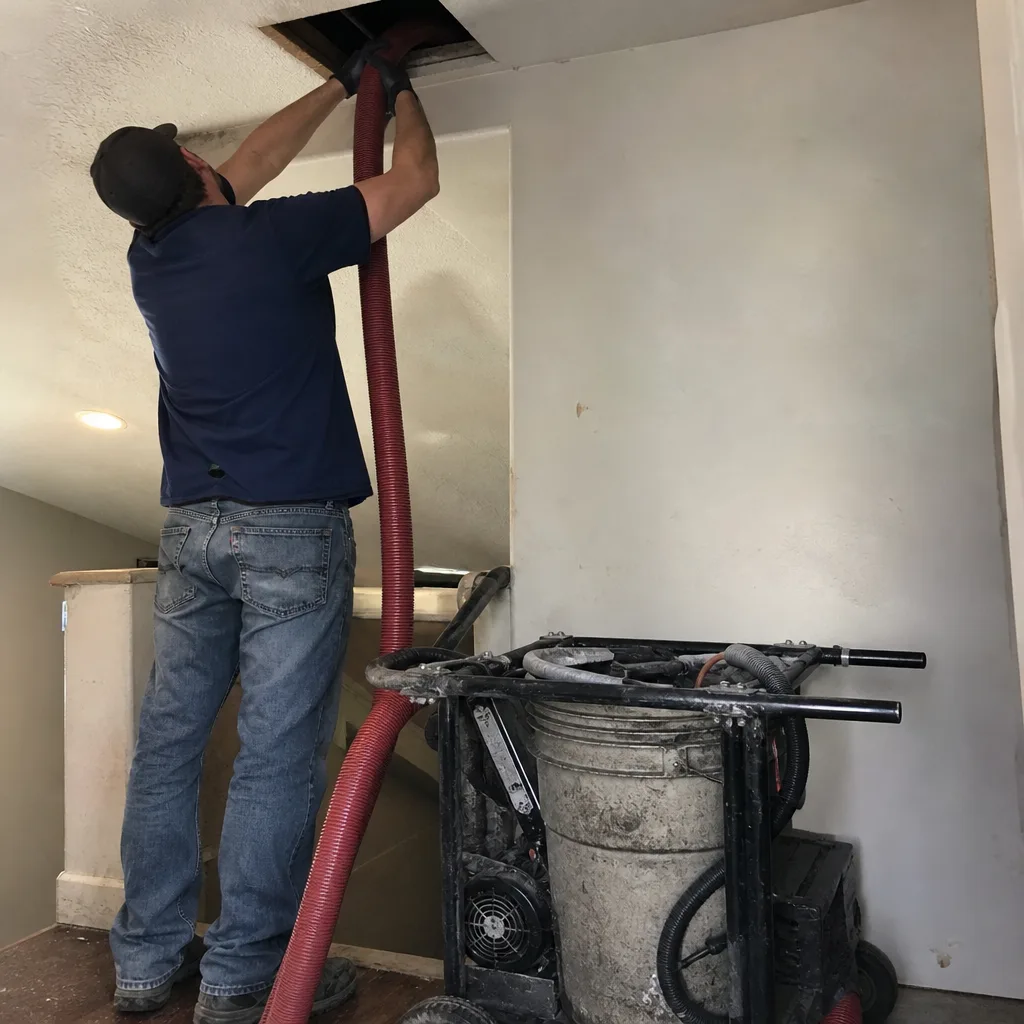 Before
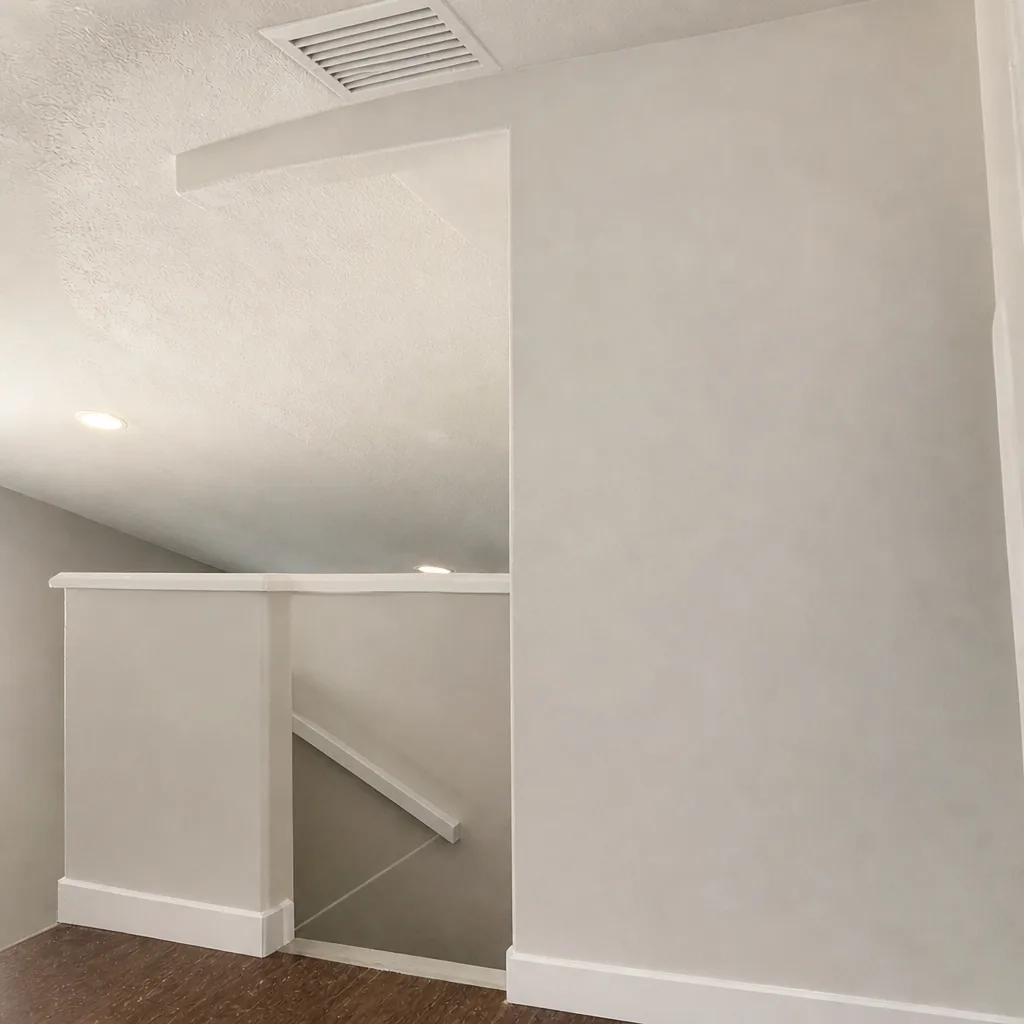 After
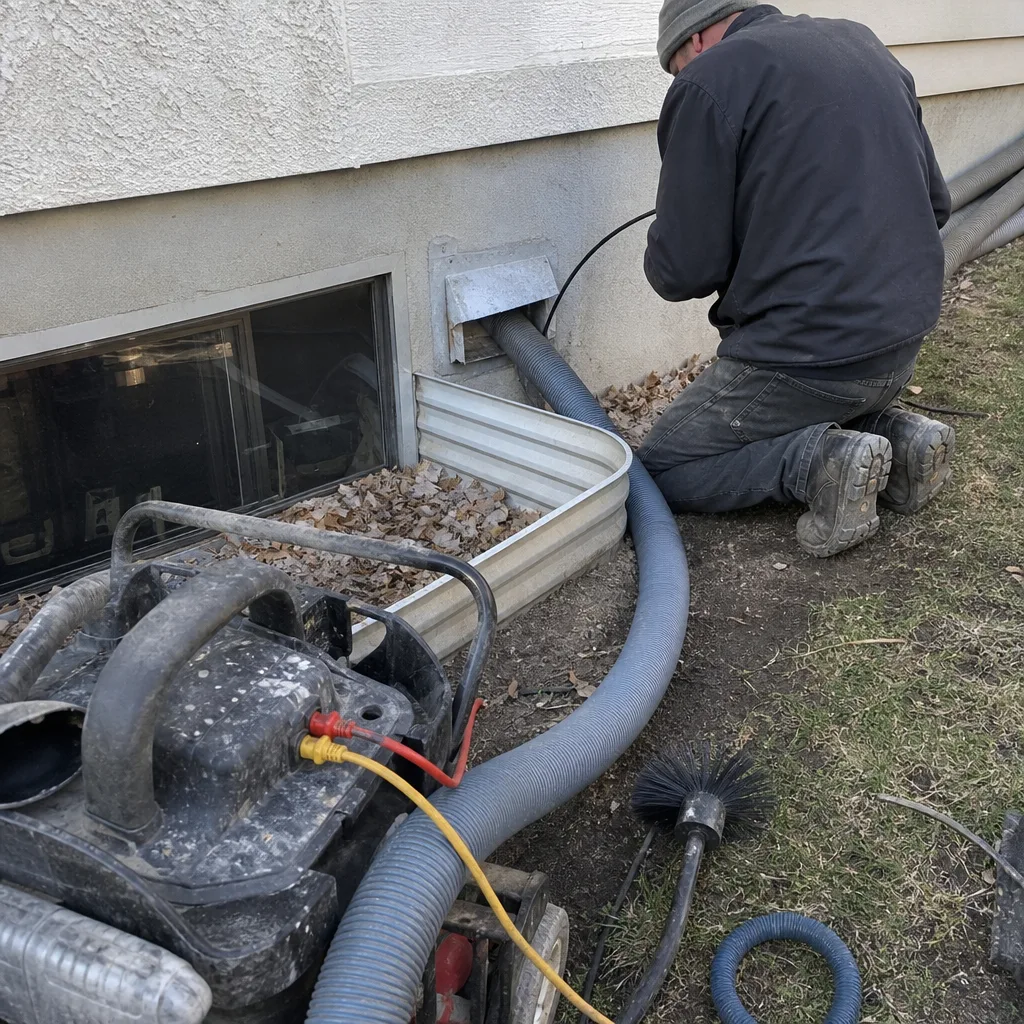 Before
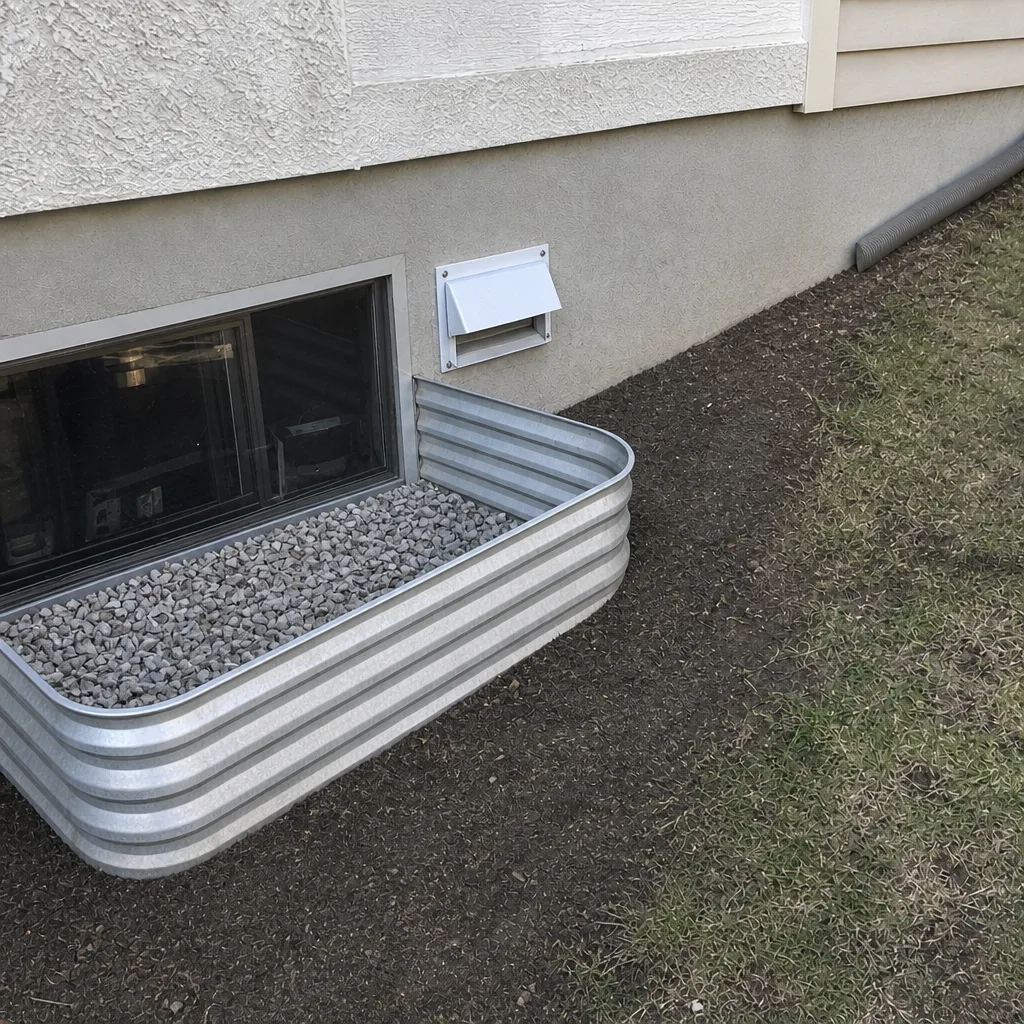 After
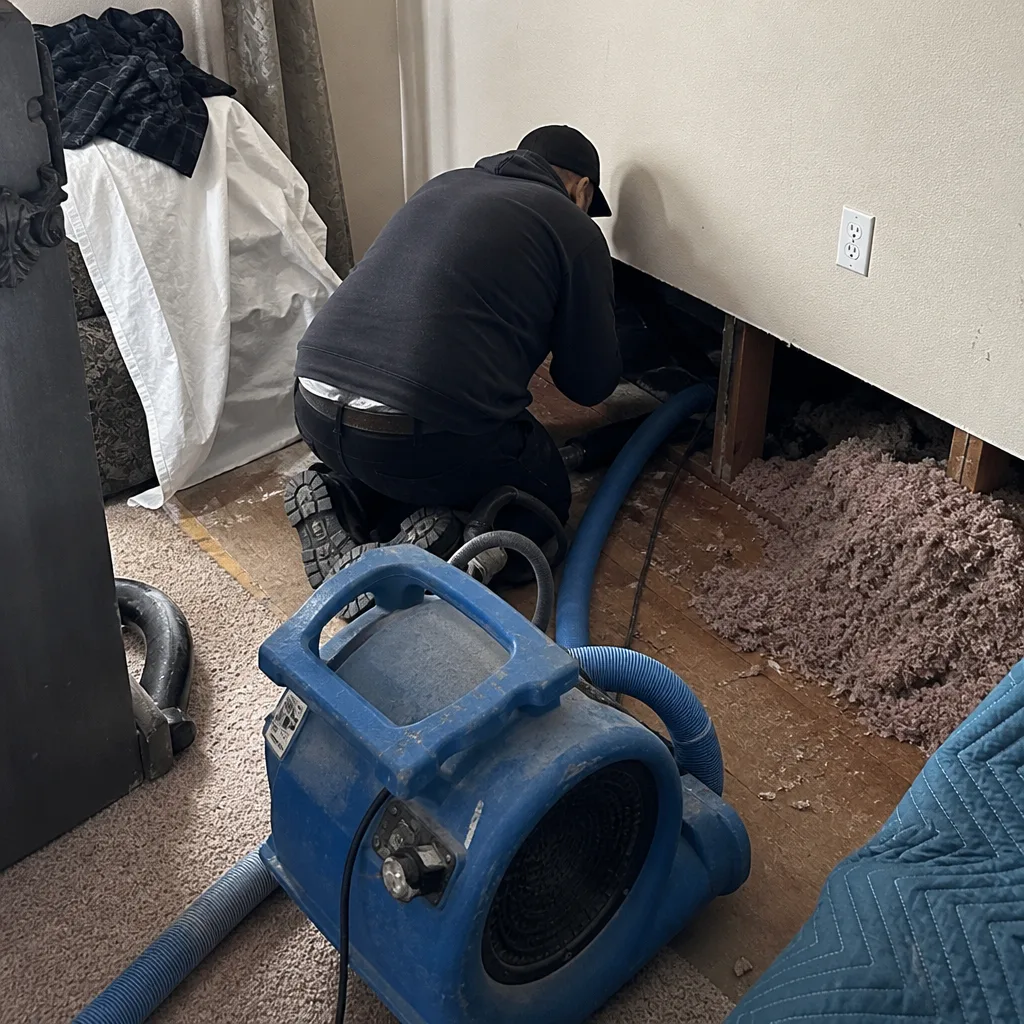 Before
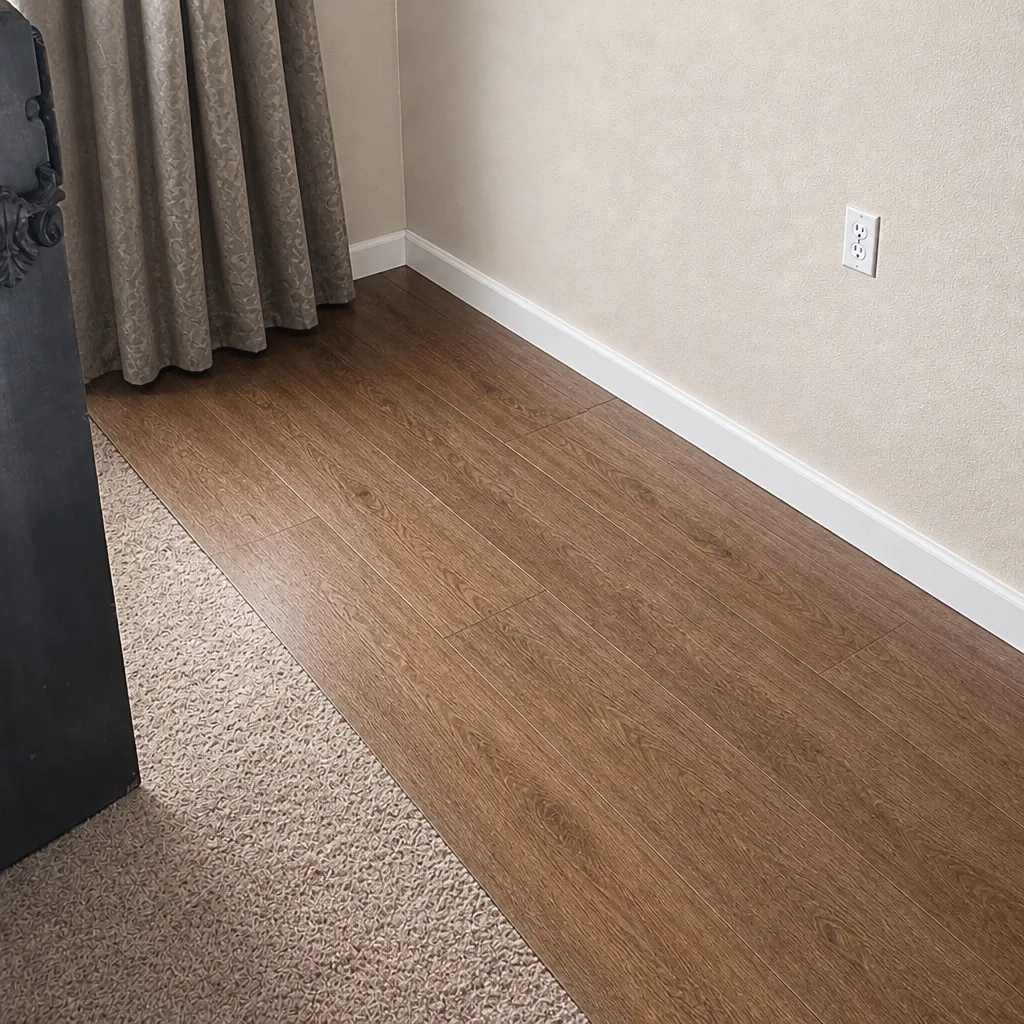 After
When to Call a Professional
Schedule a professional evaluation if you notice any of the following in Lehi: visible gray or dark coating inside register boots, a persistent musty smell with the system running, construction dust floating from supply grilles weeks after nearby work started, a filter that keeps collapsing or bypassing, weak airflow at a register that was fine before, or a system that hasn’t had a professional cleaning documented in your log.
Duct repair and sealing, coil cleaning, and sanitizing are all professional work. So is anything involving the air handler cabinet, electrical components, or the crawlspace ductwork. Those are not DIY jobs, and treating them as such is a safety risk.
Lehi Air Duct Cleaning Pros offers free estimates in Lehi. Call (855) 579-6778. We answer 24/7. Fast dispatch from 7am to 7pm, Sunday through Friday. We use Rotobrush and Nikro equipment, Abatement Technologies in-process filtration for containment during the work, and we install Aprilaire and Honeywell solutions as part of the same visit when your air quality calls for it. One call covers your entire air pathway: cleaning, dryer vent, HVAC, sealing, and sanitizing. The estimate is free, the price is set per job by written estimate, and you get before-and-after photos so you can see exactly what was done.
Frequently Asked Questions
Most Lehi homes benefit from a professional cleaning every three to five years, but trigger-based timing is more reliable. Construction activity nearby, a remodel, an HVAC replacement, or a significant wildfire smoke event are all valid reasons to inspect sooner. Call (855) 579-6778 for a free estimate if you’re unsure.
MERV 8 to MERV 11 is the practical range for most Lehi homes. MERV 13 can work if your system is designed for it, or if you use a 4-inch pleated filter, which has more surface area and lower pressure drop. Going too high without checking compatibility can increase static pressure and hurt airflow. Call us for guidance.
No. New construction ducts frequently hold construction dust, fine drywall particulate, and debris from crews. If your home is under five years old in a still-developing Lehi neighborhood, it’s worth a visual inspection and often a cleaning. Call us and we’ll take a look.
Check your filter monthly, pop off accessible register grilles every few months and shine a flashlight inside, and confirm airflow feels consistent. Check for debris or a heavy dark coating. If you find either, or smell something musty, call (855) 579-6778 for an inspection.
Not always. A musty smell usually means moisture somewhere in the system, most often in the drain pan or at the evaporator coil. Cleaning the ducts helps, but the moisture source has to be addressed. That’s why we pair HVAC cleaning with duct cleaning when it’s warranted. Call for an assessment.
Leaky ducts let attic air, crawlspace dust, and humidity back into the system, which re-dirties your ducts faster. Sealing fixes the gaps so the cleaned system stays clean and airflow reaches the far registers. We handle duct repair and sealing alongside cleaning. Call for a free estimate.
The Bottom Line
Air duct maintenance in Lehi works best when it’s tied to triggers, not to the calendar. Construction dust from nearby builds, HVAC repairs, occupancy changes, filter failures, and wildfire smoke events all shift what your ducts are collecting. Between professional visits, check filters monthly, pop open a register or two every few months with a flashlight, and keep a service log that will help at resale and if you ever file a claim. Don’t skip the coil and drain pan, and don’t clean without sealing. Ready to act? Call (855) 579-6778 for a free estimate. We answer 24/7. Fast dispatch from 7am to 7pm, Sunday through Friday.
Written by the team at Lehi Air Duct Cleaning Pros.