
Last updated November 25, 2026
 Whole-home duct cleaning
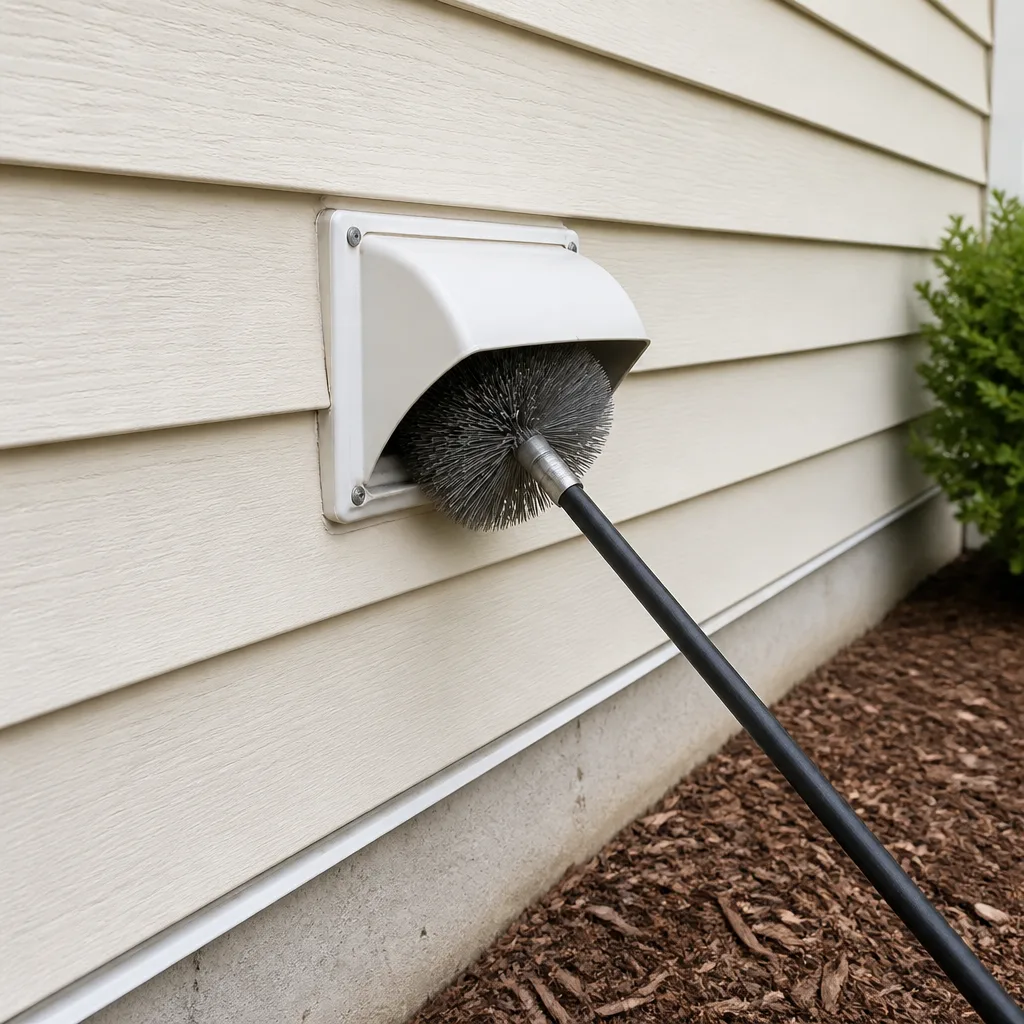 Dryer vent cleaning
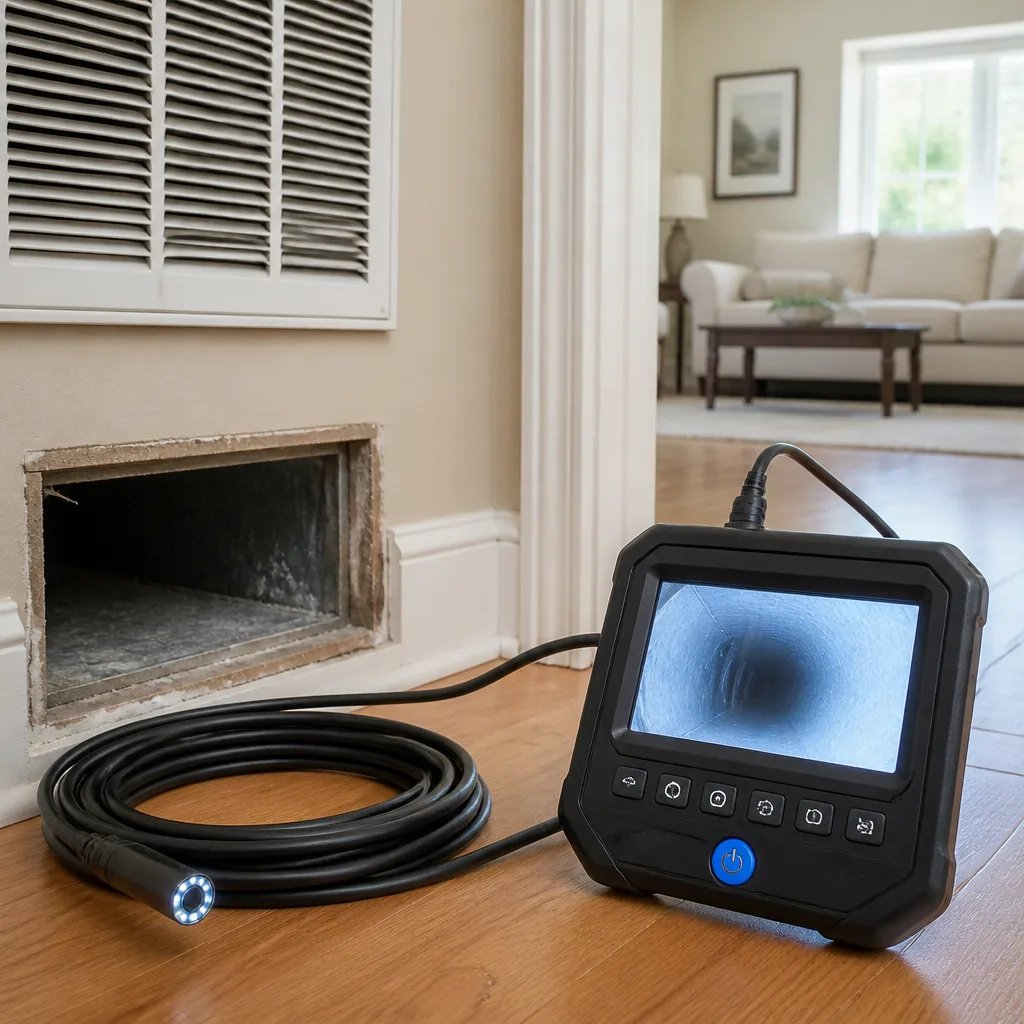 Camera inspection
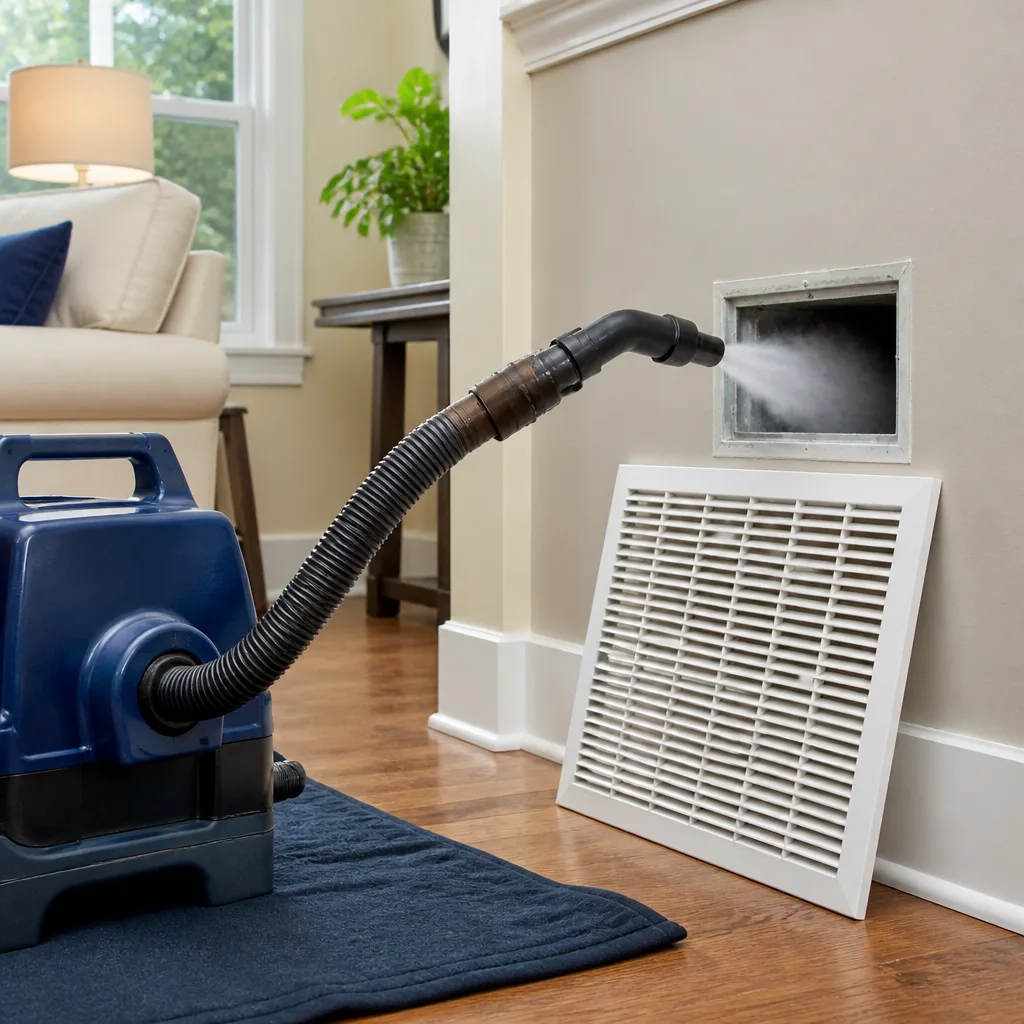 Sanitizing & deodorizing
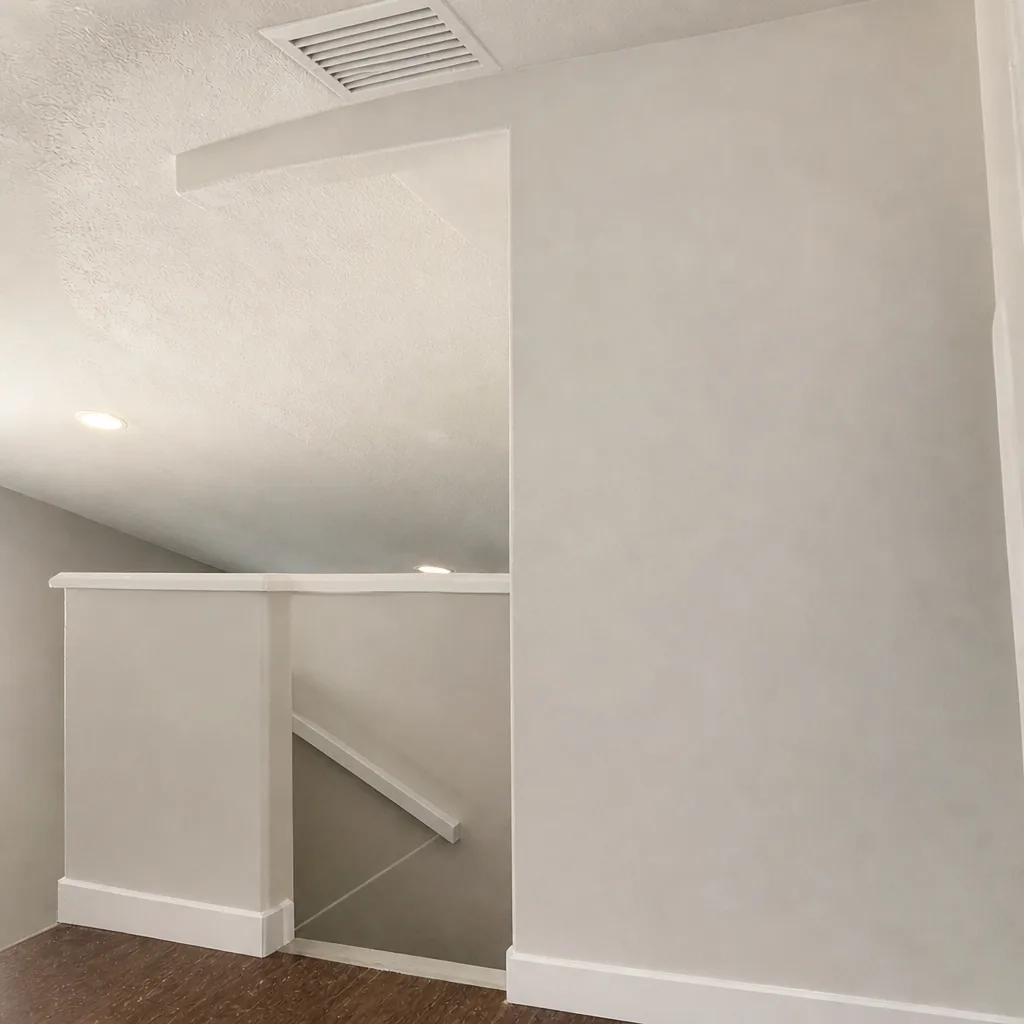
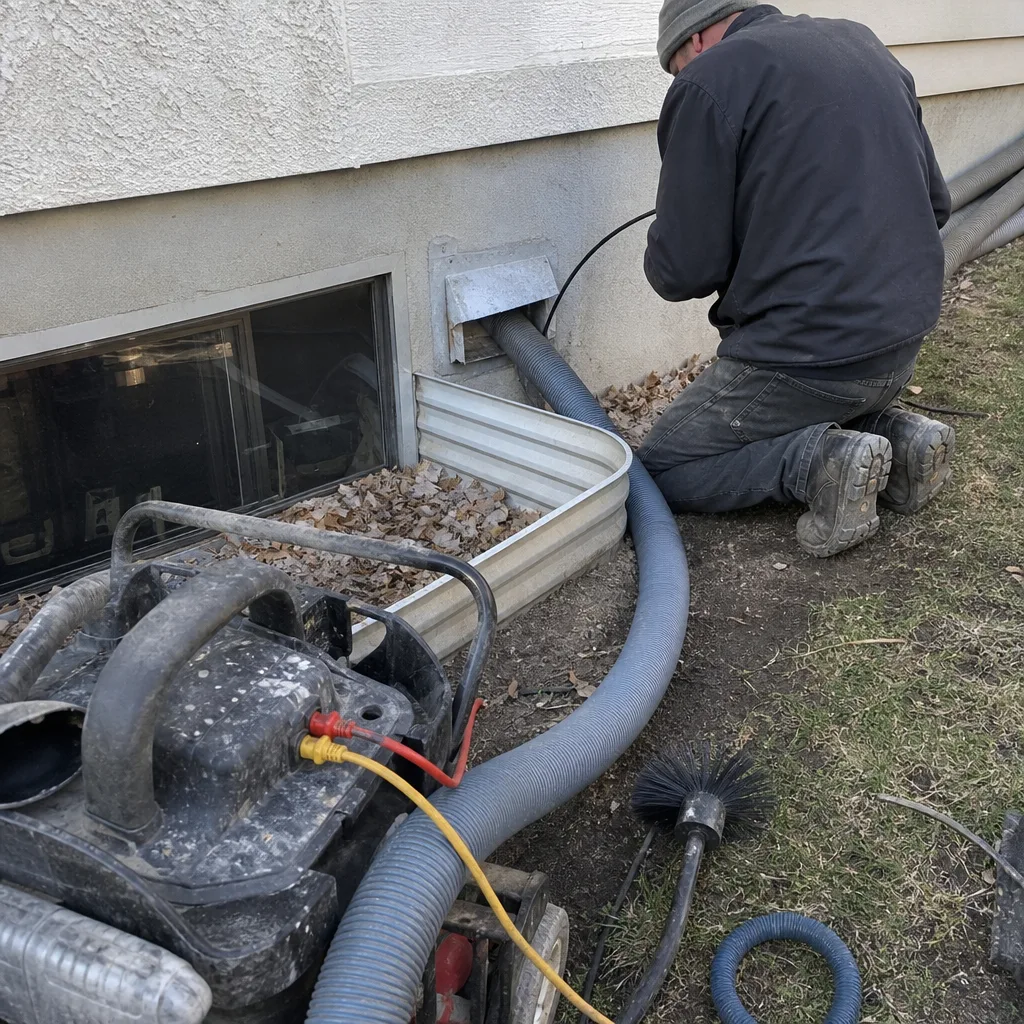
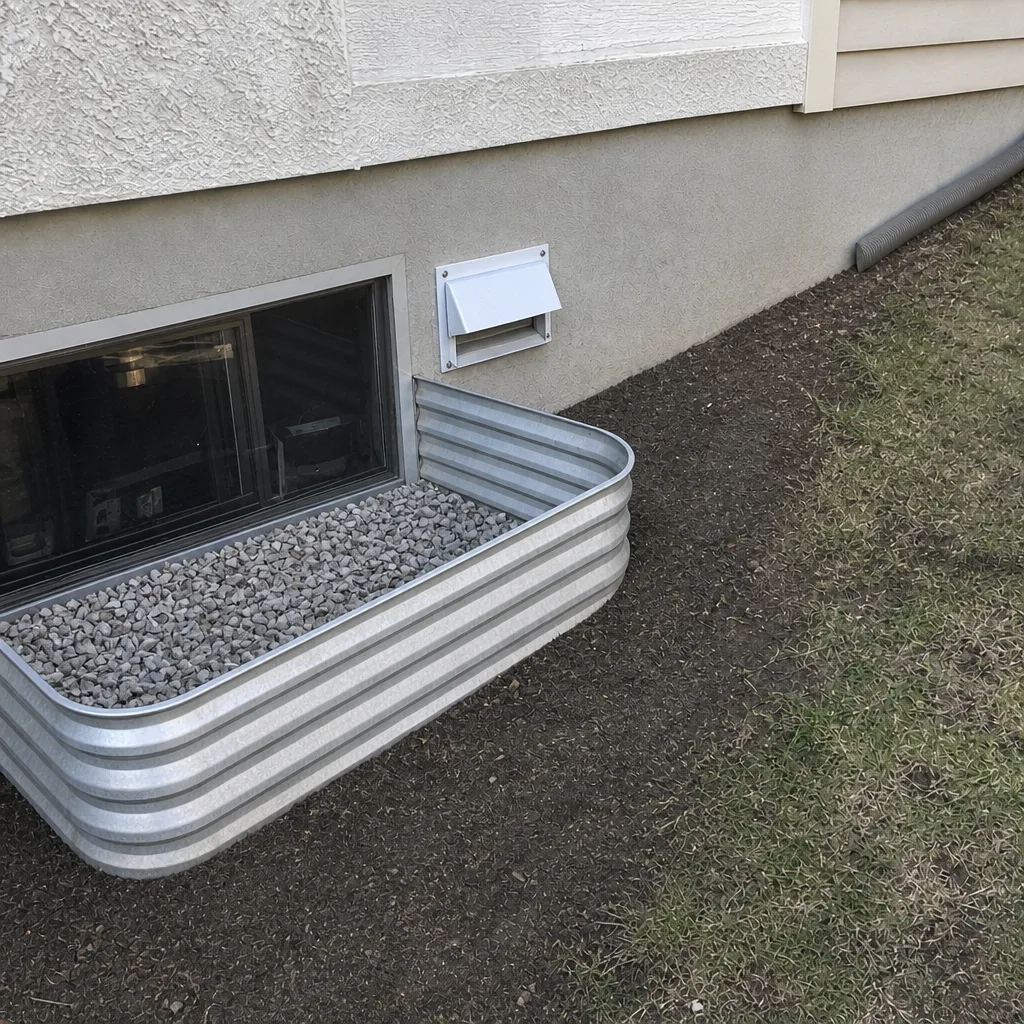
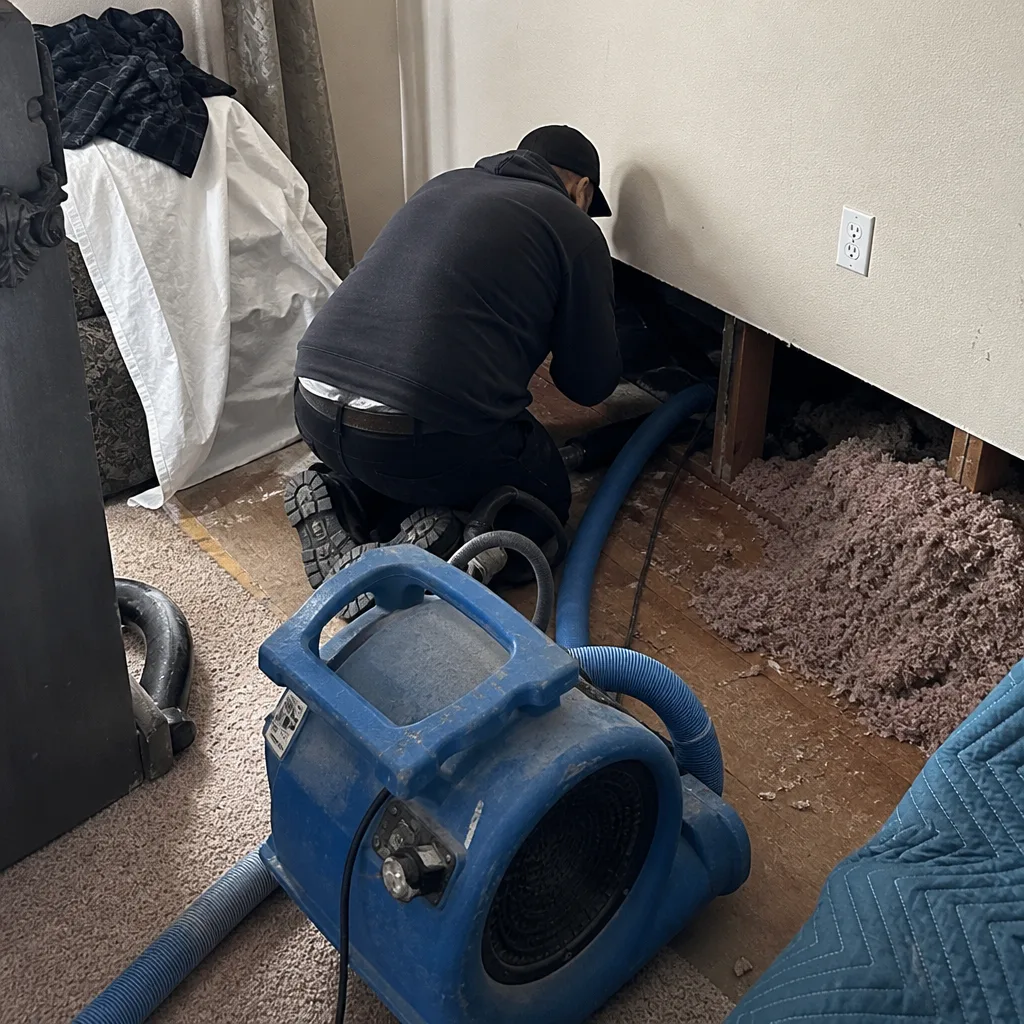
Whole-system duct and dryer vent check with before-and-after photos - you see exactly what came out of your vents
That "$99 whole-house special" is a bait ad - the real number appears once they are in your hallway, or the "clean" is a shop-vac at the register. We photograph the inside of your ducts before and after instead.
Air Duct Cleaning Permits, Codes & Inspections in Lehi, UT: What You Need to Know
Here’s the part most homeowners don’t expect: if a technician re-routes or replaces a duct section in your Lehi home without a permit, the liability for that unpermitted work transfers to you when you sell. Your buyer’s inspector will find it, and the fix often costs more than the original job. Routine cleaning needs no permit, which is why the whole topic gets ignored. But the moment anyone changes the duct system’s structure, Utah code and Lehi City requirements come into play. This guide explains where that line sits, how duct sealing gets classified, what to document, and how unpermitted work interacts with a homeowner’s insurance. It’s the paperwork nobody hands you, written from a Lehi business that deals with ductwork every week.
Quick Answer
Routine air duct cleaning in Lehi, UT does not require a permit. Structural duct work does. Under the Utah Mechanical Code, cleaning, sanitizing, and inspection fall under routine maintenance and need no permit. Repairing, replacing, re-routing, or modifying ductwork is a mechanical alteration that generally requires a permit from the Lehi City Building Department. Duct sealing can fall on either side depending on method and scope, so ask before work starts and get it in writing.
Styles & brands we work with
- Whole-home duct cleaning
- Dryer vent cleaning
- Camera inspection
- Sanitizing & deodorizing
Table of Contents
- Cleaning vs. Repair and Replacement: Where Utah Code Draws the Line
- What the Lehi City Building Department Cares About
- How Duct Sealing Gets Classified (Mastic, Aerosol, and Inspection)
- What to Document When Structural Duct Work Happens
- How Unpermitted Duct Work Affects Insurance Claims
- The Permit Process, Step by Step
- Why Lehi’s Climate Makes Duct Integrity Matter
- What to Ask Any Contractor Before They Touch Your Ducts
Cleaning vs. Repair and Replacement: Where Utah Code Draws the Line
The Utah Mechanical Code treats cleaning and structural work as two different things. Cleaning removes debris from a system that stays as it is. Repair and replacement change the system itself. That distinction is the whole game, and it’s where most confusion starts.
No permit is generally required for:
- Removing dust, debris, and buildup from ducts, registers, and returns
- Sanitizing duct interiors after cleaning
- Cleaning dryer vents and HVAC components (coils, blower, cabinet)
- Visual inspection and airflow testing
- Replacing a filter, grille, or register with a like-for-like part that doesn’t alter the duct layout
A mechanical permit is generally required when work alters the system, including:
- Cutting in a new duct run or supply register
- Re-routing flex or hard duct around a finished wall, beam, or equipment change
- Replacing a section of ducting rather than cleaning it
- Resizing a trunk line or modifying return air
- Sealing that materially changes the system’s pressure balance or airflow design
When you book air duct cleaning for a routine job in Lehi, you’re getting the first category. That’s maintenance, and no permit applies. When a crew starts cutting and reconnecting sections, that’s the second category. If a contractor tells you structural work never needs a permit, that’s the signal to slow down and ask questions in writing.
What the Lehi City Building Department Cares About
The Lehi City Building Department enforces the adopted building and mechanical codes at the local level. Its job is to confirm that work affecting a home’s mechanical systems was done correctly and safely, and that the record reflects it. For ductwork, that breaks into two piles.
Routine maintenance exemption: cleaning, sanitizing, and inspection of an existing system generally do not require a permit or inspection. You’re not changing the system, you’re maintaining it. This is the category that covers most air duct cleaning in Lehi.
Mechanical permit territory: alterations, replacements, and new installations to the duct system are treated like any other mechanical work on the house. A permit is pulled, work is inspected, and the inspection is recorded. The catch is that the permit is typically pulled by the licensed contractor doing the work. If nobody pulls one, the record stays silent, which is exactly the problem.
Lehi has grown fast, and that growth shows up in ductwork. Homes built through the city’s rapid expansion years carry duct layouts that were sized for the systems installed at the time. When a later HVAC upgrade, a remodel, or a finished basement moves something, a duct gets re-routed. That re-route is the moment the permit question becomes real, and it’s the work most often skipped.
The practical advice: ask your contractor directly whether the scope of your job requires a permit from the Lehi City Building Department. A professional who knows the code will answer without hesitation. One who waves it off is telling you something about how they work.
How Duct Sealing Gets Classified (Mastic, Aerosol, and Inspection)
Duct sealing is the gray zone, and it’s worth understanding before you hire anybody. Sealing closes the leaks and gaps that let conditioned air escape and contamination re-enter. It’s a repair, not a cleaning, and how it’s classified depends on the method and the scope.
Mastic and tape sealing (manual): a technician brushes or trowels sealant over accessible joints, seams, and connections. When this is limited to accessible joints and doesn’t change the system design, it’s often treated as maintenance. When it involves cutting into ductwork, adding access points, or reworking a section, treat it as structural work and ask about a permit.
Aerosol sealing (from inside the duct): a sealant is atomized inside the duct system and deposited on leaks from within. This reaches joints a technician can’t see or reach. Because it seals the entire connected system, it can materially change the system’s pressure balance. That’s the kind of change that can trigger inspection requirements, and rules vary by jurisdiction and interpretation. Ask your contractor how the technique is classified in Lehi and whether a permit or inspection applies.
Duct repair and sealing is one of our core services because cleaning alone doesn’t fix a leaky system. We use professional-grade equipment to agitate and extract debris (Rotobrush and Nikro systems), then repair and seal the joints and gaps that caused the problem in the first place. Clean ducts are the start; sealed, repaired ducts are the finish. If your job crosses from cleaning into sealing or repair, the permit question belongs in the estimate conversation, not after the work is done.
What to Document When Structural Duct Work Happens
Documentation is your protection at resale and during any insurance claim. When a structural duct job happens in your Lehi home, the paper trail matters as much as the work itself. Here’s what to keep.
- The scope of work, in writing. What was cleaned, what was repaired, what was replaced, and how. The written estimate should match the invoice.
- The permit number and inspection record if a permit was pulled. A passed inspection is a third-party stamp that the work was done to code.
- Before-and-after photos of your own ducts. This is the simplest proof that the work happened, and it’s especially useful if a buyer’s inspector raises questions about duct condition.
- Manufacturer product documentation for any sealant or filtration product applied, including the product name and how it was installed.
- The contractor’s license and insurance information and confirmation the local pro is licensed and insured as their state requires.
- The written estimate itself. One flat price per system, agreed before work starts, with no per-vent surprises tacked on afterward.
Utah uses a seller’s property disclosure, and a buyer’s inspector routinely asks about unpermitted work. If you can hand over a clean paper trail, the question is answered before it becomes a negotiation. If you can’t, the burden shifts to you to prove the work was fine. That’s a position no homeowner wants to be in.
How Unpermitted Duct Work Affects Insurance Claims
Here’s where the stakes get real. Homeowner’s insurance covers sudden and accidental damage. It generally does not cover damage caused by work that was never permitted, especially when that work was structural and the insurer can argue it was improperly done. If a re-routed duct causes a problem and the work was unpermitted, your claim can run into trouble fast.
The risk shows up in a few ways:
- Claim denial or pushback. An insurer may treat unpermitted duct work as a condition it didn’t agree to cover. The adjuster will look at the records, and the records will show nothing.
- Reduced payout. Even when a claim is honored, the insurer may limit what it pays for the system at the center of the claim.
- Resale exposure. Unpermitted work is a known liability on the seller’s side. Buyers ask for permits, inspectors expect them, and unpermitted work can become a price concession.
We can work with your insurer and help you understand what documentation matters if you’re filing a claim tied to duct or HVAC work. And if you’re a property manager in Lehi, keep a maintenance log. When you can show cleaning and repairs on a schedule, with photos and scopes, you’re building the record that protects you later.
The Permit Process, Step by Step
If your job crosses from cleaning into structural work, here’s how the permit process generally runs. It’s not complicated, and the licensed contractor typically handles most of it.
- Confirm the scope. Decide with your contractor whether the work alters the duct system. Cleaning and sanitizing generally don’t need a permit. Re-routing, cutting in new runs, or replacing sections generally does.
- Contractor pulls the permit. The licensed professional doing the work applies for a mechanical permit from the Lehi City Building Department and confirms the scope matches what’s planned.
- Work gets done to plan. The permit ties the work to a plan, and most contractors won’t deviate without updating it.
- Request an inspection. The completed work is inspected and the result is recorded. This is the step that gives you the paper trail.
- Keep the record. Save the permit number and passed inspection in your home file. This is the documentation you hand over at resale.
When a crew does this properly, cleaning, repair, and sealing all connect to one another. That’s why we offer HVAC cleaning alongside duct repair and sealing: if the system gets cleaned but the joints stay leaky, contamination comes right back. One call covers your entire air pathway, so nothing gets left half-done.
Why Lehi’s Climate Makes Duct Integrity Matter
Lehi sits in Utah Valley, with dry air, sharp temperature swings, and a heating season that runs long. That climate puts real stress on a home’s duct system, and it’s why duct integrity matters here more than it might in a milder place.
Duct joints and connections expand and contract with the seasons. Over time, that movement opens seams and loosens connections. Leakage grows silently, and the system has to work harder to move the same air. Add dry winter air, spring pollen coming through a valley, and dust kicked up by construction through the city’s growth years, and the case for sealing along with cleaning gets stronger.
Nobody here can live without a working duct system, and nobody wants to spend their heating season paying for air that leaks into a crawl space. That’s the practical reason duct integrity belongs on a maintenance list, not just a cleaning list.
What to Ask Any Contractor Before They Touch Your Ducts
Ask these questions before work starts. A professional answers them directly, and the answers tell you whether the job will be clean.
- Does this job require a permit? Routine cleaning no. Structural repair or re-routing, ask. Get the answer in writing.
- What does “per system” mean in your price? One flat price for the whole system, agreed before work starts, beats a low coupon price that grows on site.
- What equipment do you use, and can you show me before-and-after photos of my own ducts? Consumer-grade vacuums and hand tooling don’t remove the debris that’s actually stuck to duct walls. Professional-grade equipment does, and photos prove the work happened.
- Will you seal or repair leaks, or just clean? Cleaning without sealing leaves the system leaky, and the contamination returns.
- How do you protect my home during service? A containment-conscious process uses in-process air filtration (Abatement Technologies equipment, for example) so dust doesn’t settle elsewhere.
- What do I get in writing when the job is done? Scope, photos, product documentation, and any permit or inspection records.
- Are you licensed and insured? Confirm the local pro is licensed and insured as their state requires, and keep a copy of that confirmation.
The difference between a real duct specialist and a generalist with a vacuum shows up in the answers. We’re equipped for the whole air pathway, from dryer vent cleaning through cleaning, repair, and sealing, and we carry Aprilaire and Honeywell air quality products for whole-home filtration and humidity control. When we’re on site, we help you get the air quality upgrade done right the first time.
Common Mistakes to Avoid
- Assuming no permit ever applies. Cleaning is fine without a permit, but structural work isn’t. Two sentences of clarification before the job saves a headache years down the line.
- Trusting a verbal “we don’t need a permit.” Get the answer in writing. If a contractor won’t put it in writing, that’s the concern.
- Skipping the before-and-after photos. If you can’t show your own ducts before and after the work, you can’t prove the job was done. Photos are the record.
- Cleaning without sealing. A cleaned but leaky system lets contamination back in. If the joints are open, repair and seal belong in the same visit.
- Treating a low coupon price as the price. The bait-and-switch reputation exists because some jobs quote low and grow on site. One flat price per system, agreed up front, is the standard to hold.
- Missing the documentation for resale. Utah sellers face a property disclosure. Keep scopes, photos, and any permit records in the home file.
- Ignoring the insurance angle. Unpermitted structural duct work can complicate a claim. Keep the paper trail and call your insurer if you’re unsure what they need.
See the difference
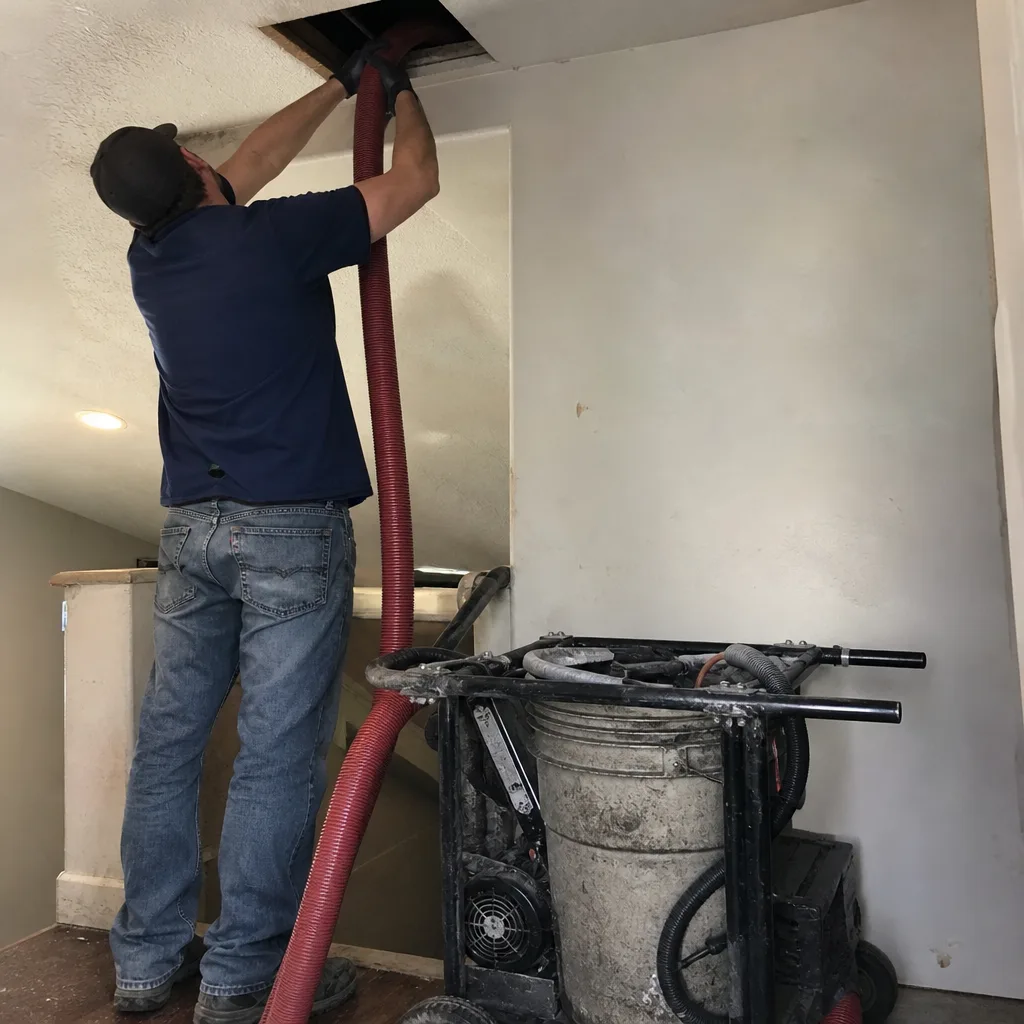 Before
 After
 Before
 After
 Before
 After
When to Call a Professional
Call a professional if your ducts haven’t been serviced in several years, if your system was recently installed or modified, if you’re post-renovation or post-remodel and dealing with construction dust, or if anyone in the home has allergies and you’re not sure what’s in the ducts. If you’re selling a Lehi home and don’t have documentation for prior work, a professional can inspect and clean, and set the record straight. If a duct is loose, disconnected, or obviously sealed poorly, that’s repair territory, and it needs the right equipment and, sometimes, a permit. We use Rotobrush and Nikro systems and Abatement Technologies containment equipment so the job cleans what it’s supposed to without leaving a dust trail. Lehi Air Duct Cleaning Pros offers free estimates in Lehi. Call (855) 579-6778. We answer 24/7. Fast dispatch from 7am to 7pm, Sunday through Friday.
Frequently Asked Questions
No. Routine air duct cleaning in Lehi, UT generally does not require a permit because it’s treated as maintenance of an existing system. Structural work like re-routing, replacing, or modifying ductwork falls under the Utah Mechanical Code and generally requires a mechanical permit from the Lehi City Building Department. If you’re unsure which category your job falls into, ask your contractor to confirm in writing before work starts. Call (855) 579-6778 for an exact quote. Estimates are free.
Duct repair or replacement generally needs a permit when the work alters the system: cutting in a new run, re-routing around a wall or beam, resizing a trunk line, or replacing a section of ducting. Cleaning and sanitizing are maintenance and don’t need one. The division is the change to the system itself, not the debris. If a contractor offers to skip the permit on structural work, ask them to explain why in writing.
It depends on the method and scope. Manual sealing of accessible joints is often treated as maintenance, while sealing that changes the system’s design or pressure balance can trigger inspection requirements. Aerosol sealing applied inside the duct reaches joints you can’t see and seals the whole system, so it’s worth asking how it’s classified in Lehi. Ask your contractor to confirm what applies before work starts.
Keep the written scope of work, the permit number and inspection record if one was pulled, before-and-after photos of your own ducts, and any product documentation for sealants or filtration products applied. Also keep a copy of the contractor’s licensure and insurance confirmation. This is the file you hand over if you sell, and the proof you’ll want if you ever file an insurance claim involving the HVAC system.
Yes, it can. Insurers cover sudden and accidental damage, not damage caused by work that was never permitted and that an adjuster can argue was improperly done. Unpermitted structural duct work can lead to claim denial, a reduced payout, or a slower process. We can work with your insurer and help you understand what records matter. Call (855) 579-6778 for an exact quote. Estimates are free.
Most Lehi households do well with cleaning every few years, and more often after a remodel, a new system install, or in homes with allergy sufferers. Homes with pets or recent construction dust may benefit from a shorter interval. If your ducts haven’t been serviced in several years, a professional inspection tells you what’s there. One call covers your entire air pathway, so you can get cleaning, repair, and sealing in one visit. Call (855) 579-6778 for an exact quote. Estimates are free.
The Bottom Line
Routine air duct cleaning in Lehi, UT needs no permit. Structural duct work generally does, and that includes re-routing, replacing, and some sealing. Get the scope in writing, know which category your job falls into, keep before-and-after photos of your own ducts, and hold any contractor to one flat price per system agreed before work starts. The permit, the seal, and the paper trail all protect the same thing: your home and your record. If you’re in Lehi and need the whole pathway handled properly, Lehi Air Duct Cleaning Pros offers free estimates. Call (855) 579-6778. We answer 24/7. Fast dispatch from 7am to 7pm, Sunday through Friday. The local pro is licensed and insured as their state requires, the price is set by the written estimate, and you’ll see the work in photos before we leave.
Written by the team at Lehi Air Duct Cleaning Pros.