
Last updated November 25, 2026
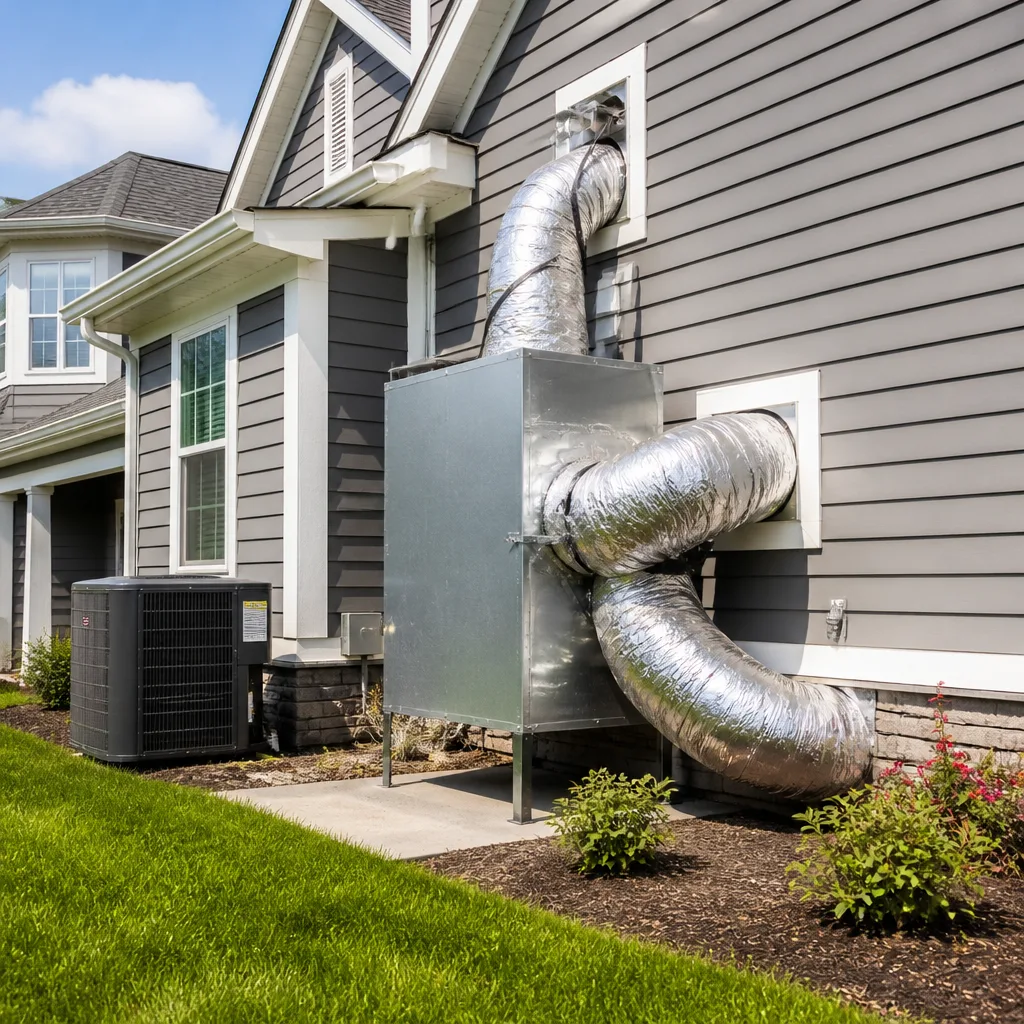 Whole-home duct cleaning
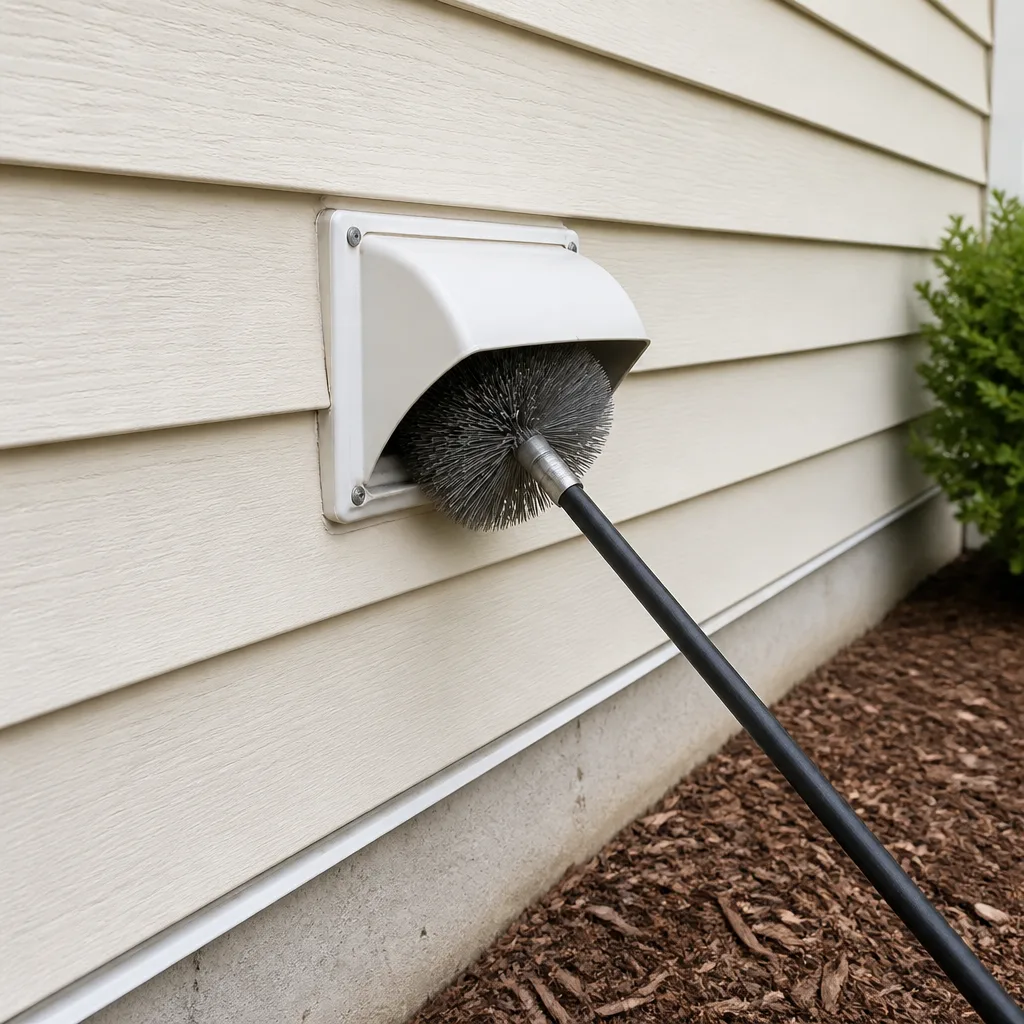 Dryer vent cleaning
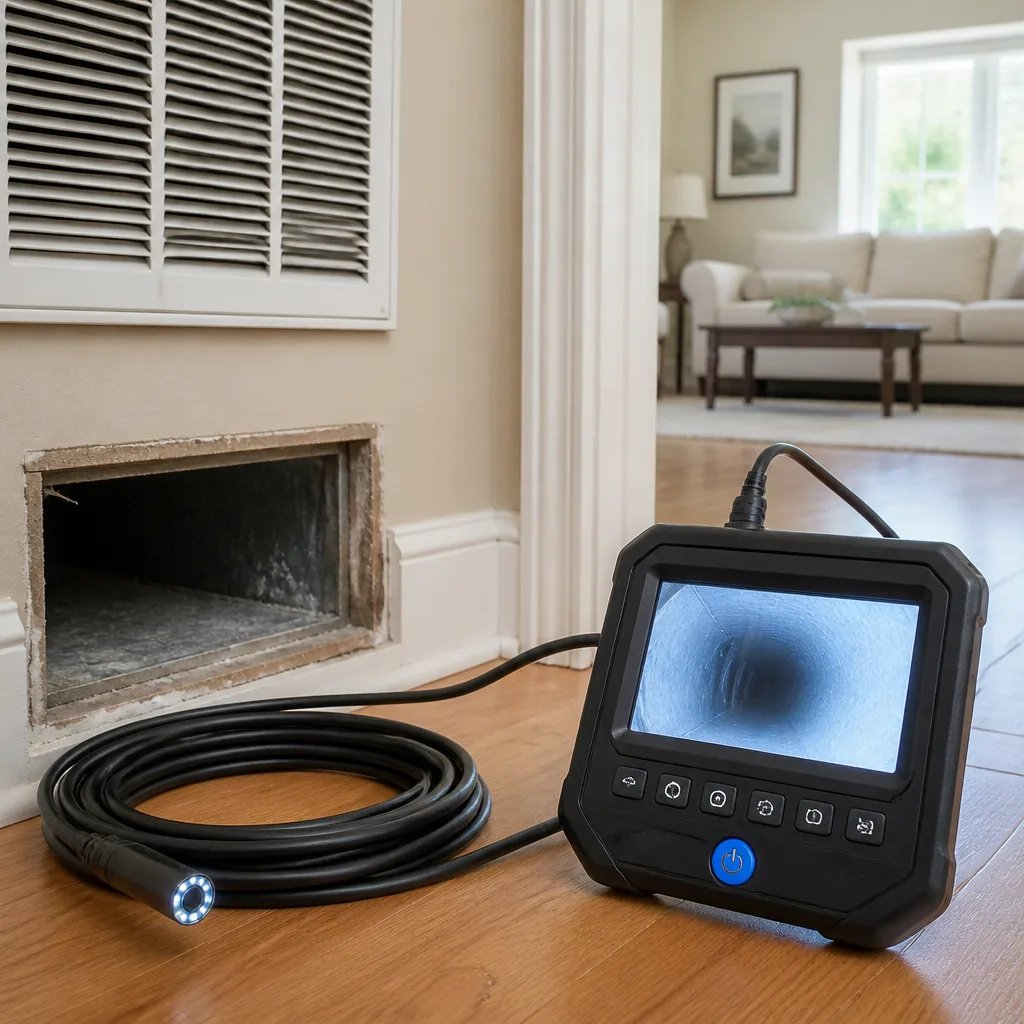 Camera inspection
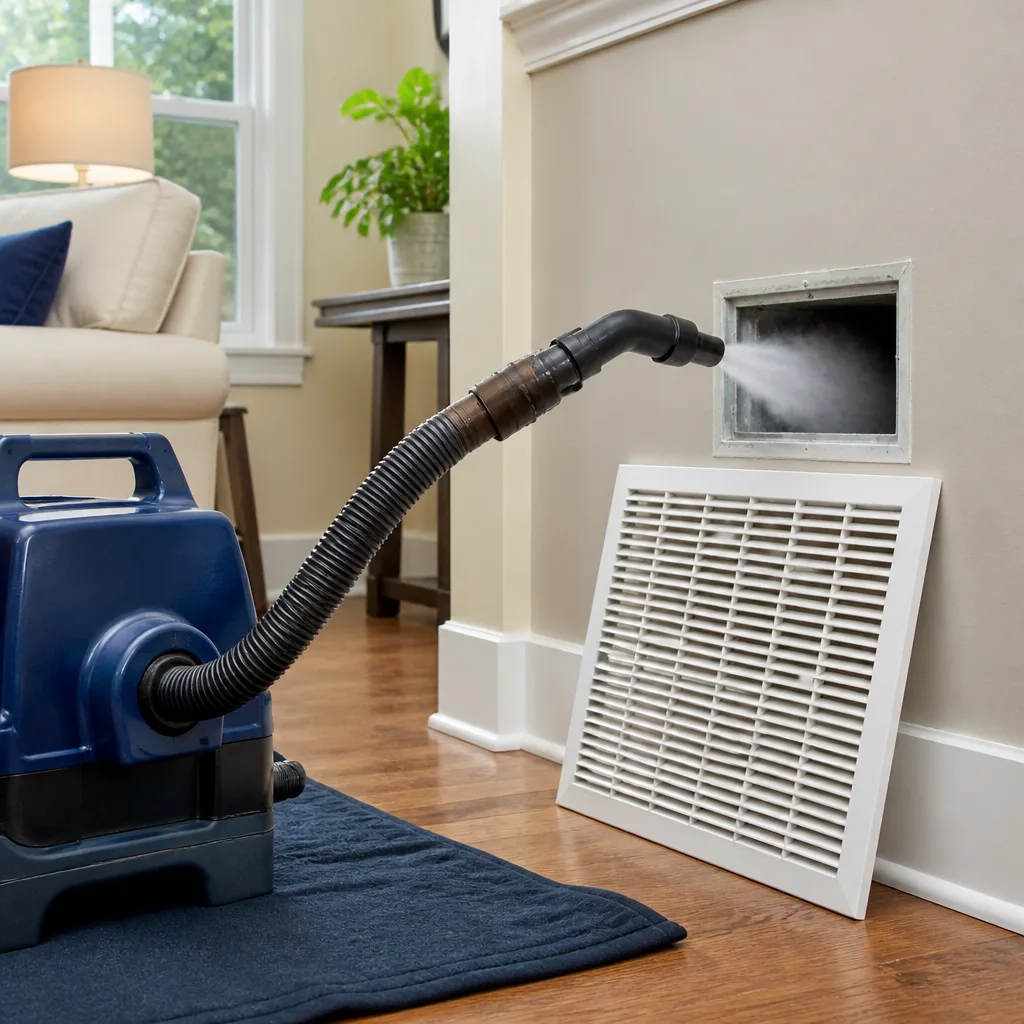 Sanitizing & deodorizing
Whole-system duct and dryer vent check with before-and-after photos - you see exactly what came out of your vents
That "$99 whole-house special" is a bait ad - the real number appears once they are in your hallway, or the "clean" is a shop-vac at the register. We photograph the inside of your ducts before and after instead.
Choosing the Right Air Duct Cleaning Brand: A Buyer’s Guide for Lehi
When a contractor says they use “professional equipment,” that phrase spans a $500 portable blower and a $30,000 truck-mounted vacuum with 16,000 CFM capacity. Only one of those creates the negative pressure that makes source-removal cleaning work. That gap matters more than any coupon or slogan, because the machine tier determines what a cleaning can physically accomplish inside your ductwork. In this guide, we walk through the equipment stack that real results require, the brands worth knowing, the agitation tools that suit different duct materials, and the questions that separate a specialist from a generalist. If you own a home in Lehi, this is the knowledge that lets you hire with confidence.
Quick Answer
Choosing the right air duct cleaning brand in Lehi comes down to equipment capability, not marketing. Look for a contractor using professional-grade machines like Rotobrush or Nikro with genuine negative-pressure vacuum systems, containment equipment such as Abatement Technologies, and the ability to repair and seal ducts after cleaning. Ask about their equipment before you book; the answers tell you whether they understand what they’re using or are simply repeating a sales script.
Styles & brands we work with
- Whole-home duct cleaning
- Dryer vent cleaning
- Camera inspection
- Sanitizing & deodorizing
Table of Contents
- The Three Equipment Tiers in Professional Duct Cleaning
- Industry-Trusted Equipment Brands and What Distinguishes Them
- What Agitation Tools Matter: Brushes, Air Whips, and Skipper Balls
- How to Ask a Contractor About Their Equipment Before Booking
- The Role of Aerosol Duct Sealing Technology
- Why Equipment Choice Matters More in Lehi Homes
- What Professional Equipment Means for Cost and Results
- How to Verify the Work Was Actually Done
The Three Equipment Tiers in Professional Duct Cleaning
Duct cleaning equipment falls into three general categories, and the category a contractor uses tells you a lot about the physical limits of their work. The machine tier determines airflow, suction power, and how much debris can actually be pulled from the system versus simply stirred into your home’s air.
Tier 1: Portable Units
Portable machines are the most common entry point in the trade. They typically deliver lower CFM (cubic feet per minute) and work through a hose run into the duct system. Some portable units run around 2,000 to 4,000 CFM depending on the model and the length of the hose run. They’re compact and work well for single-room or light jobs, and for accessible short runs in smaller homes. The limitation is that as the hose gets longer, suction at the cleaning head drops, so the machine may not have the pull to move heavy debris all the way back to the collection point.
Tier 2: Trailer-Mounted Units
Trailer-mounted vacuums are a middle step. They’re more powerful than the smaller portables, typically in the 5,000 to 10,000 CFM range for serious contractor-grade units, and they combine a large collection drum with a longer, more consistent negative-pressure column. They work well for mid-sized homes and systems with longer runs. They’re not as maneuverable as a portable, so some contractors use them only on larger jobs.
Tier 3: Truck-Mounted Vacuums
Truck-mounted vacuum systems are the heaviest class in the industry. Large units can reach 12,000 to 16,000 CFM or higher, with the negative pressure being generated at the truck and delivered through heavy hoses into the home. That level of suction is what makes source-removal cleaning reliable: the agitation tool loosens debris and the vacuum pulls it out of the system rather than just moving it around. Contractors who run truck-mounted units typically structure their jobs around full-system cleaning rather than spot treatments.
The takeaway for a Lehi homeowner is that “professional equipment” is a wide category. Asking a contractor which tier they use, and what CFM their machine can deliver at the cleaning head, tells you whether the cleaning has the capability to remove what’s in your ducts or merely brush it loose. Our technicians have up to 15 years of experience, and we work with professional-grade equipment matched to the job at hand.
Industry-Trusted Equipment Brands and What Distinguishes Them
Brand names in this trade signal a specific type of machine or tool, and knowing what each brand actually does helps you cut through vague claims. Here are the names worth recognizing before you hire anyone in Lehi.
- Rotobrush is best known for its rotary-brush agitation system combined with a powerful vacuum. The brush physically contacts duct walls and dislodges debris while the vacuum pulls it out. It’s very common on residential jobs and is well-suited to flexible duct and smaller-diameter runs.
- Nikro makes contractor-grade vacuum and cleaning equipment, including high-powered units and a range of agitation tools. Nikro machines appear in a lot of serious residential and light-commercial work for their combination of suction and durability.
- Abatement Technologies is known for air filtration and containment equipment. Contractors use their HEPA filtration units to protect the home during a job, capturing airborne particles that get stirred up when ducts are agitated. That containment step matters when you have family members with asthma, allergies, or when the ducts are heavily soiled.
- HEPA-rated vacuum systems are set apart by their filtration rating: a true HEPA vacuum captures the finest particles and keeps them trapped rather than exhausting them back into the room. The filtration spec matters more than the “HEPA-like” marketing language some cheaper units use.
- Aprilaire and Honeywell are air quality brands rather than duct-cleaning machine brands, but they show up in a full-service conversation because they cover filtration, humidity control, and whole-home air quality upgrades. When a contractor carries and installs these products, they can answer questions about your system’s filtration in the same visit as the cleaning.
The point of knowing these brands isn’t to demand a specific logo. It’s to ask a question like “Do you use HEPA-rated vacuum equipment and containment filtration during the job?” and recognize a thoughtful answer when you hear one.
What Agitation Tools Matter: Brushes, Air Whips, and Skipper Balls
Agitation is the step that separates a real cleaning from a superficial one. The vacuum creates the negative pressure, but something has to loosen the debris from the duct walls before the airflow can carry it out. Three tools do most of that work, and each is suited to different duct materials.
Contact Cleaning Brushes
Rotary brushes physically scrub the inside of the duct. They are most effective on sheet metal ducts and flexible duct when the brush is sized correctly. Brushing is what actually dislodges years of settled dust and debris, but aggressive brushing on fiberglass duct board can damage the internal lining, so an experienced technician adjusts the tool and pressure to the material. If a contractor uses a brush on every duct without checking the material, that’s a warning sign.
Air Whips
Air whips use high-velocity compressed air to knock debris loose. They’re excellent for loose particulate in metal and flex duct, and they work well in combination with a strong vacuum. They’re less useful on heavy, stuck-on buildup, which is where brushing plays a role.
Skipper Balls
Skipper balls are forward-and-reverse air nozzles that travel the length of a run, blowing debris in both directions. They’re useful for longer duct runs and for agitating areas a brush can’t easily reach. They’re not a substitute for contact cleaning, but they cover length and turnover points in a system that a brush alone might miss.
Matching Tool to Material
- Identify the duct material first: sheet metal, flex duct, or fiberglass board.
- Choose a brush sized to the duct diameter so it contacts the walls without cutting into the lining.
- Use air whips on loose debris in metal and flex runs, especially where buildup is light.
- Use skipper balls on long runs and turns where the brush can’t travel easily.
- Always pair agitation with strong negative pressure so debris is captured rather than recirculated.
In our experience around Lehi, homes with a mix of sheet metal trunk lines and flex branch runs are common, and the technician has to switch tools mid-job. That’s normal, and a good contractor will tell you why they chose the tool they did for each section of your system.
How to Ask a Contractor About Their Equipment Before Booking
You don’t need to be an equipment expert to hire well. You need to ask a few direct questions and listen for specific, technical answers instead of reassurance. Here’s the list we’d suggest when you call around for air duct cleaning in Lehi.
- “What machine will you use, and what’s its CFM rating?” A contractor who knows their equipment can give you a number and a brand. A contractor who gives you “it’s professional grade” is dodging the question.
- “Do you use HEPA-rated vacuums and containment filtration?” Ask what filters the machine uses and whether the exhaust is captured or filtered. Abatement Technologies filtration units are a good sign of a containment-conscious process.
- “What tools do you use for agitation, and how do you handle different duct materials?” Listen for brush sizing, air whips, and awareness that fiberglass liners need gentler handling.
- “Do you offer duct repair and sealing, or only cleaning?” A cleaning without repair leaves gaps and leaks that allow debris and conditioned air to escape into the home.
- “What’s the price, and what does it include?” You want a flat price per system, not a per-vent number that climbs once the technician is on site.
- “Can I see before-and-after photos of my own ducts?” A contractor with real equipment can show you what came out of your system. If they can’t, ask why.
Good answers to those questions indicate a contractor who understands what they’re doing. Vague answers, aggressive upsells during the call, and “we’ll see when we get there” pricing are all reasons to keep looking.
The Role of Aerosol Duct Sealing Technology
Aerosol duct sealing is a distinct service from duct cleaning, and understanding what it does, and doesn’t do, helps Lehi homeowners ask the right questions. Cleaning removes what’s in the ducts. Sealing addresses the leaks and gaps that let air escape and debris re-enter.
What Aerosol Sealing Does
Aerosol sealing systems, such as Aeroseal, work by introducing a fine aerosolized sealant into a pressurized duct system. The particles travel until they reach a leak and build up along the edges of the gap, sealing it from the inside. It’s a way to close leaks that are hard to reach, especially in wall cavities and ceilings where you can’t easily get to the duct joints by hand.
What It Doesn’t Do
Aerosol sealing doesn’t clean the ducts. If your system is full of dust and debris, sealing over it is the wrong order of operations. The debris stays, and the surfaces stay dirty. Nor does it replace mechanical repair for larger gaps, disconnected sections, or crushed flex duct, which need someone to physically fix the problem.
When to Ask for It
Ask about sealing alongside cleaning when your energy bills seem higher than they should be, when some rooms never feel fully conditioned, or after a renovation or new HVAC install where joints weren’t perfectly sealed. In Lehi, where homes rely on forced-air systems through hot summers and cold winters, a sealed duct system means conditioned air reaches the rooms it was meant to reach instead of leaking into the attic or crawl space. A contractor who offers HVAC cleaning and duct repair together can check your system and tell you whether sealing is appropriate after the cleaning.
Why Equipment Choice Matters More in Lehi Homes
Lehi sits in a valley with a climate that swings hard between seasons, and that has real consequences for ductwork. Summer heat puts the HVAC system under prolonged strain, while winter brings cold snaps that push heating equipment for months. Dust from nearby development and windblown soil also finds its way into homes, and once it settles in the ducts it doesn’t leave on its own. The Utah Valley’s dry air and seasonal temperature changes make the inside of a duct system an environment where debris accumulates and stays.
Homes across Lehi reflect this. Newer construction in areas like Traverse Mountain and the neighborhoods off Thanksgiving Way often has tightly built envelopes and well-sealed ductwork, but construction dust from the build itself can remain in the system long after the final walk-through. Older homes closer to the historic center and around Main Street frequently have sheet metal duct runs that have accumulated years of debris, sometimes with joints that have loosened over time. In both cases, the cleaning has to have the capacity to remove what’s really in the ducts, not just move it around.
That’s where the equipment tier matters. A portable machine with a short hose can handle a simple, accessible job, but a home with long trunk runs, flex branch lines, and years of settled dust needs the higher airflow and stronger negative-pressure column of a more powerful system to pull debris back to the collection point. Our approach at Lehi Air Duct Cleaning Pros is to match the machine and the agitation tools to the home in front of us, and to treat the job as a full air-pathway cleaning rather than a spot treatment. We bring Abatement-grade containment so dust isn’t released into the living space, and we can work with Aprilaire and Honeywell filtration products if your system would benefit from upgraded filtration.
What Professional Equipment Means for Cost and Results
Equipment capability has a direct effect on what a cleaning actually accomplishes, which is why the cheapest quote and the best value are not the same thing. A lower-priced job often reflects a smaller, less powerful machine or a shorter cleaning time per run. The homeowner pays less and gets less, and the underlying problem stays in the ducts.
- A cleaning with real negative pressure removes debris from the system; a lower-power job can loosen it and leave it in the return air path.
- Containment filtration protects the home during the job; without it, dust gets pushed into living spaces while the work is happening.
- Repair and sealing address the leaks that let contamination back in; cleaning alone can’t stop re-entry through gaps.
- Sanitizing and Guardsman-type treatments can follow the cleaning, but they only make sense once the actual debris is gone.
When you book, ask for a flat price per system and a written estimate, and make sure it covers what will actually be done: which ducts, which tools, and whether repair or sealing is included or quoted separately. Our estimates in Lehi are free, and the price is set per job in writing before work begins. Call (855) 579-6778 to start that conversation. We answer 24/7, and fast dispatch runs from 7am to 7pm, Sunday through Friday.
How to Verify the Work Was Actually Done
Claims are cheap, and a homeowner has every right to want proof. The most direct verification is visual: before-and-after photos of your own ducts, taken at the registers and at the main trunk. If a contractor can’t or won’t document the work, ask why, and consider it information about how they operate.
- Ask for photos before and after cleaning at the main return and at several supply registers.
- Look inside a register yourself while the job is in progress or right after, and check for settled debris.
- Ask whether the technician checked for disconnected or crushed duct sections while the system was open.
- Ask whether you should expect any change in airflow; a sealed and cleaned system often moves air more freely.
- Follow up if you notice new dust around registers in the weeks after the job.
We’re serious about this verification step. After a cleaning, we can show you the before-and-after photos of your own system so you can see what was removed. If your home in Lehi hasn’t had its ducts serviced in several years, if you’ve just finished a renovation, or if you’re moving into a new build, that’s a good moment to schedule a full assessment that includes dryer vent cleaning while the technician is on site.
Common Mistakes to Avoid
- Hiring on price alone. A low quote with no equipment details usually means a smaller machine and a shorter job. Ask about the machine before you compare prices.
- Accepting a per-vent price. Per-vent pricing invites a larger bill once the technician arrives. Insist on a flat price per system in writing.
- Cleaning without checking for leaks. Cleaned ducts with unsealed joints just get dirty again. Ask whether repair and sealing are part of the assessment.
- Ignoring containment. Cleaning without filtration and containment pushes dust into your home while the work is happening. Ask what filters are being used.
- Assuming a coupon price covers full-system cleaning. Teaser pricing often covers a limited scope. Read what the price covers, not just the headline number.
- Not asking for before-and-after photos. If you can’t see what came out of your own ducts, you’re taking the contractor’s word for it. Ask for documentation.
- Putting off dryer vent service. Lint accumulation in a dryer vent is a fire risk, and it’s a straightforward add-on to a duct cleaning visit. Have it checked if it’s been more than a couple of years.
See the difference
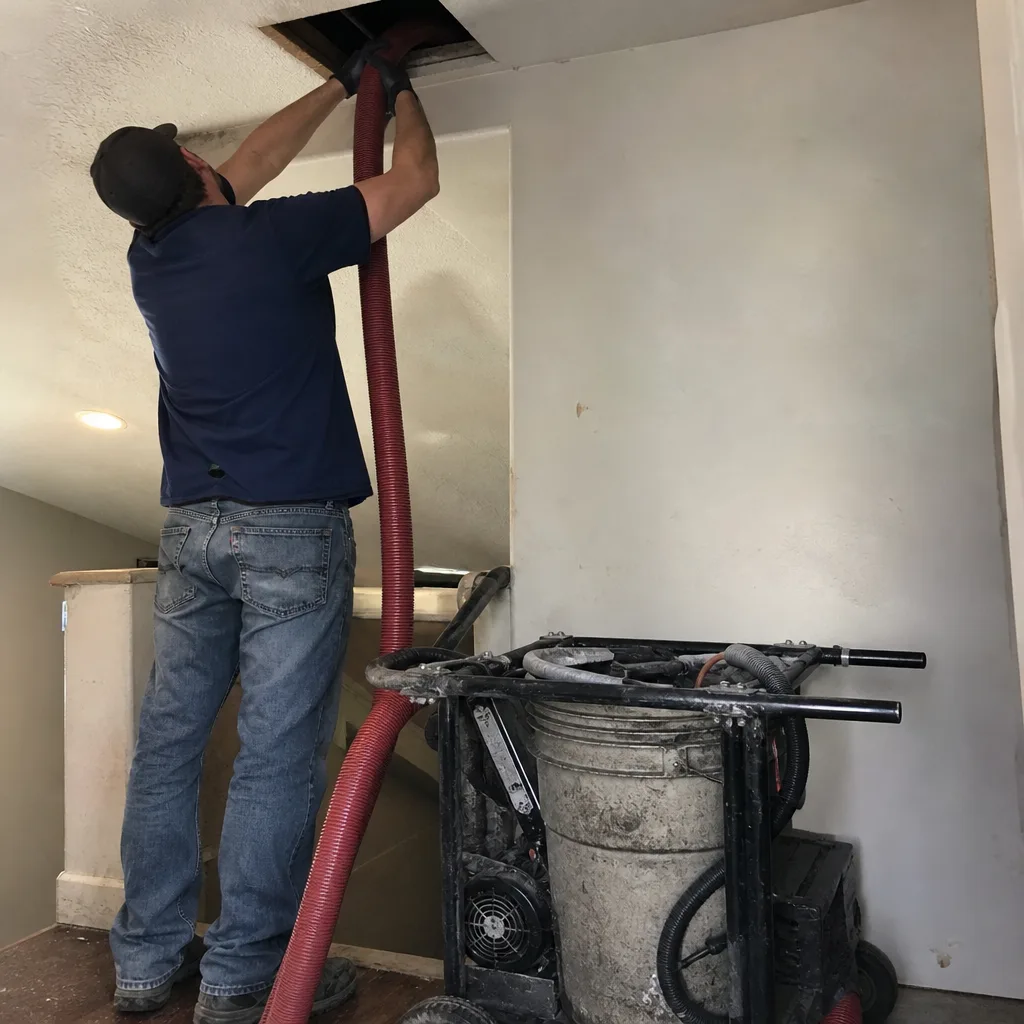 Before
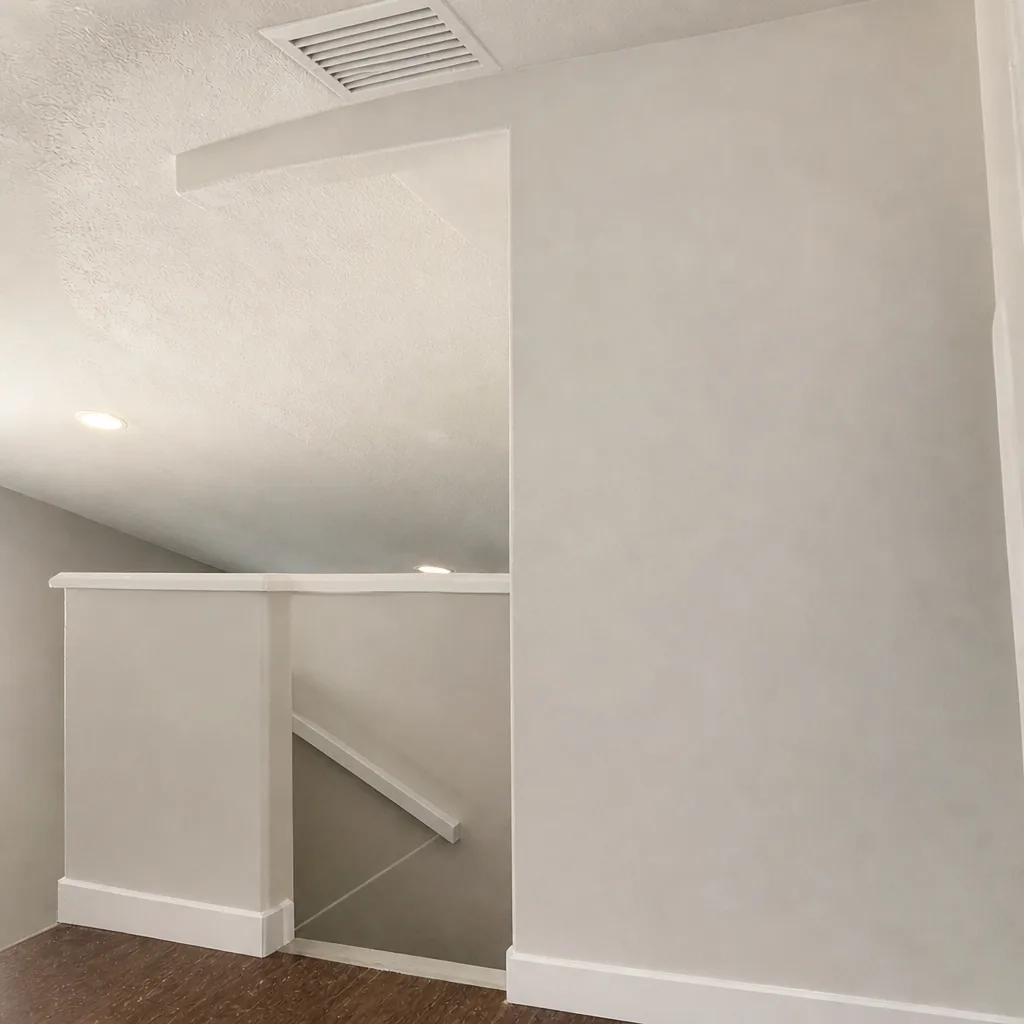 After
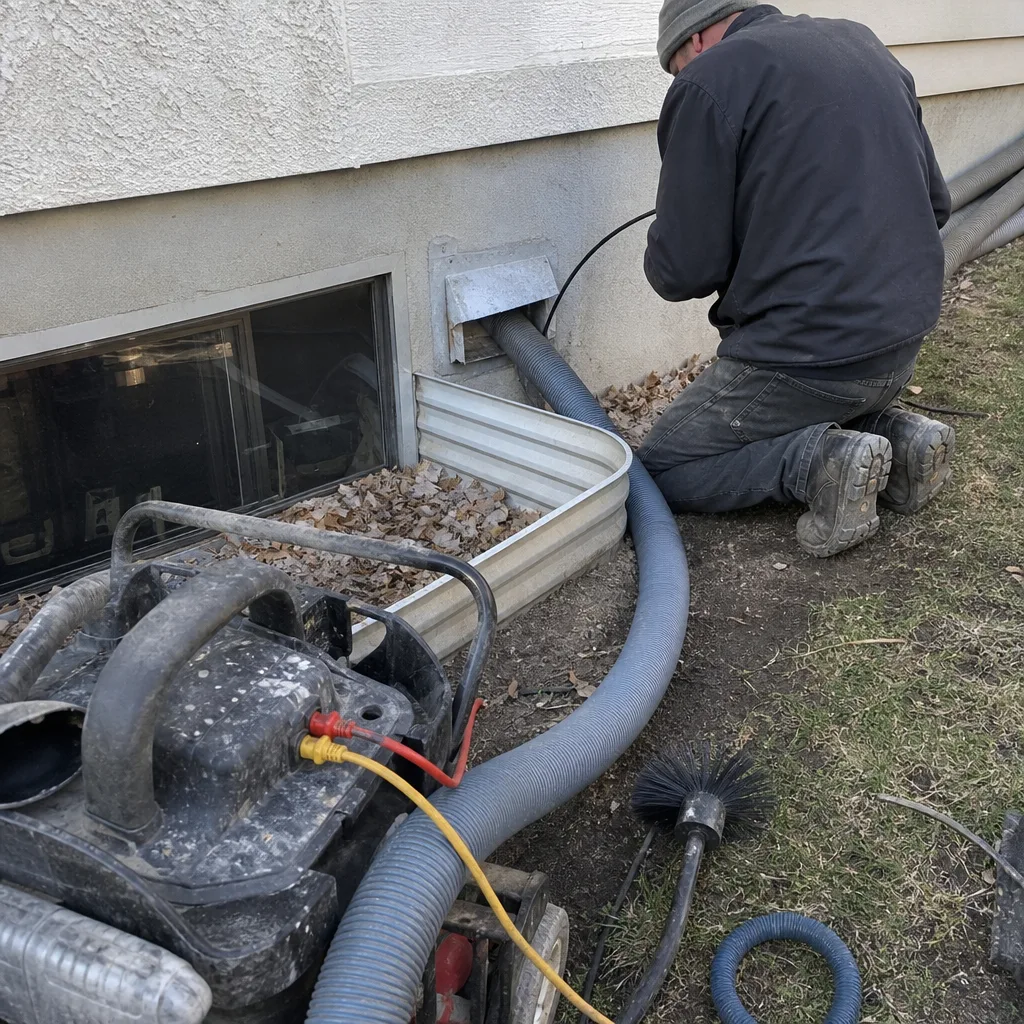 Before
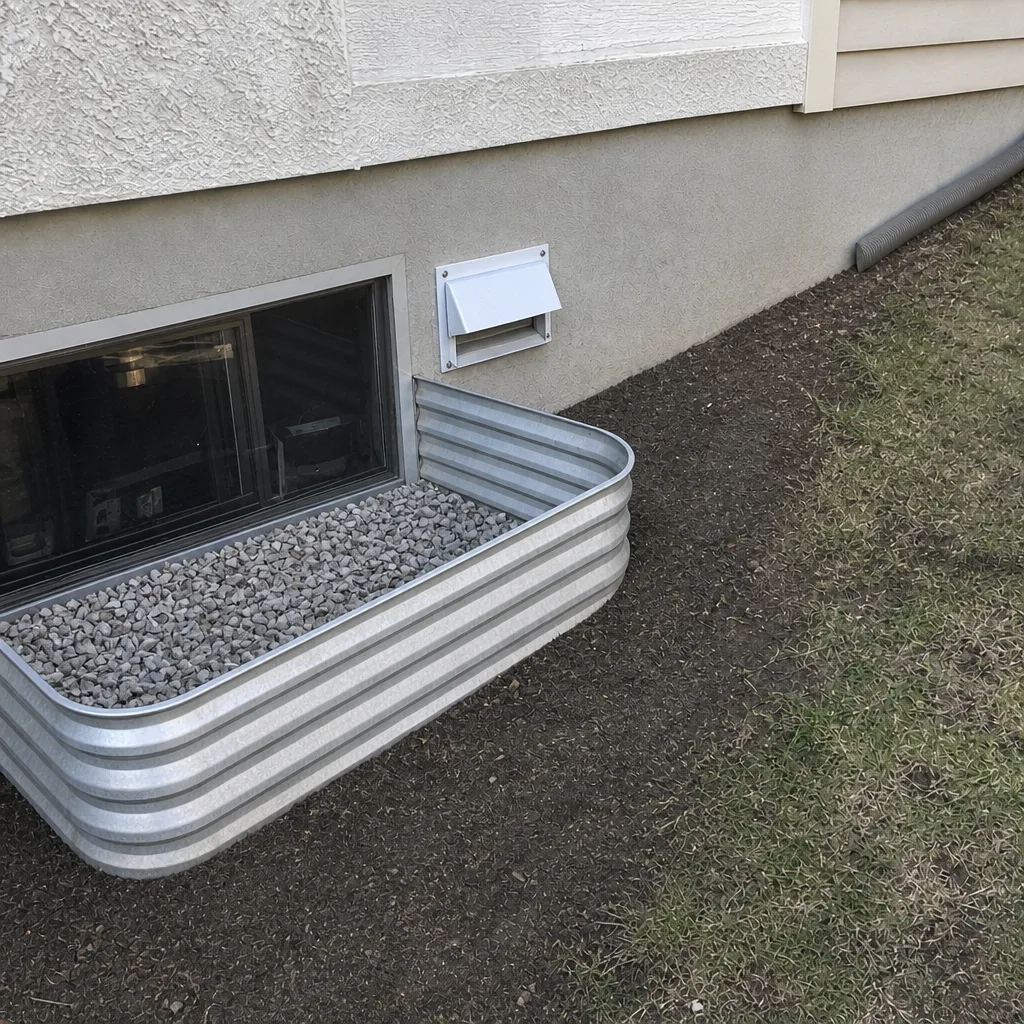 After
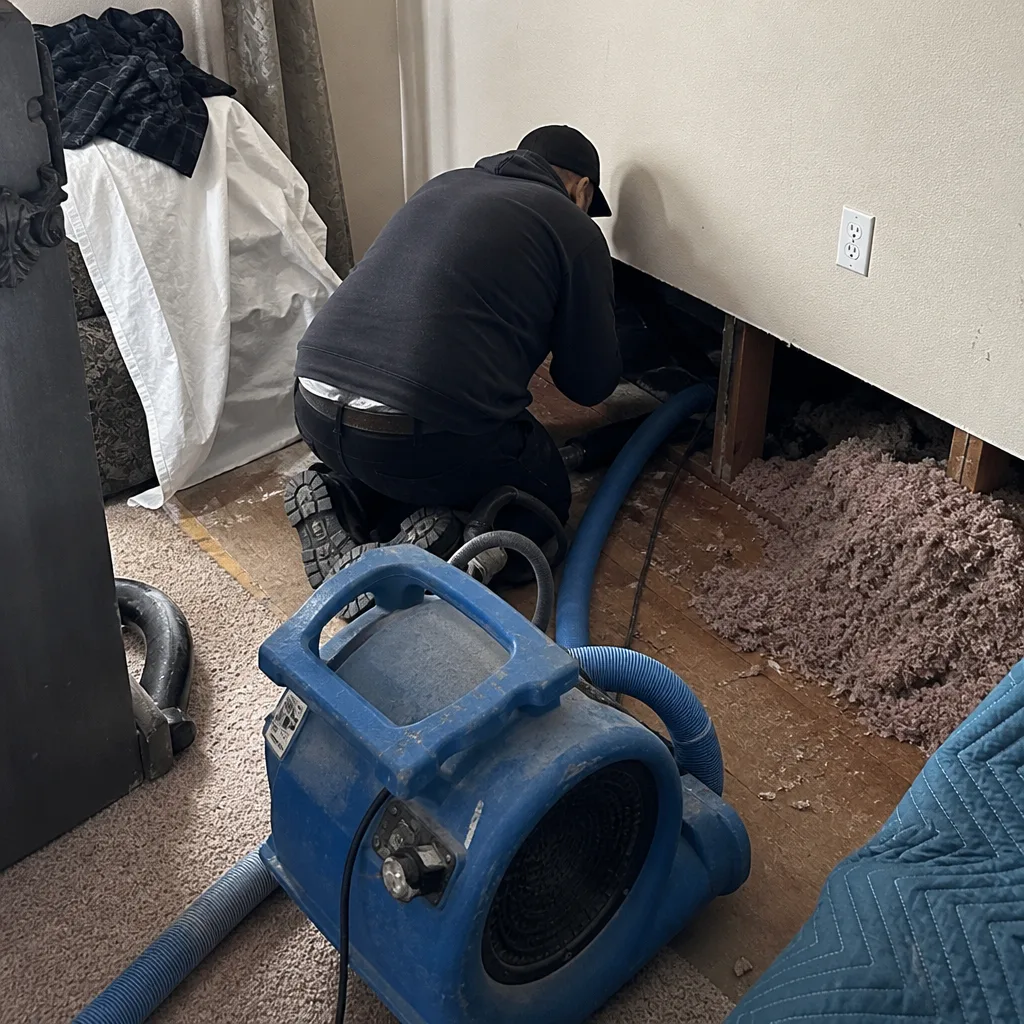 Before
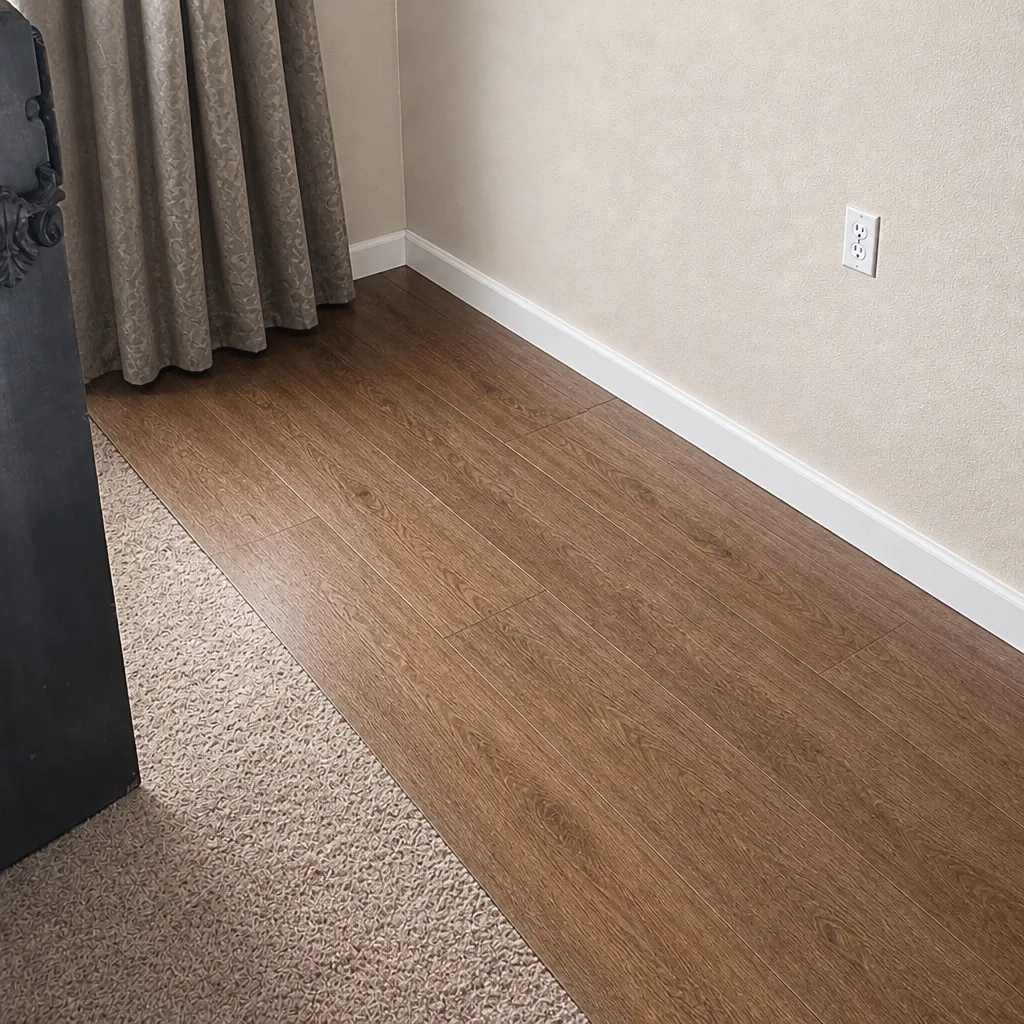 After
When to Call a Professional
Some situations call for a professional assessment, not a quick DIY vacuum pass. If anyone in the home deals with allergies or asthma and symptoms seem worse indoors, if you’ve just finished a renovation or moved into new construction in Lehi, or if your home hasn’t had duct service in several years, that’s a good time to book a full evaluation. Visible dust around registers, uneven airflow between rooms, higher energy bills, or a musty smell from the vents are also reasons to call. If you have a new HVAC install, ask for the system to be checked for construction dust and loose joints before you rely on it. Lehi Air Duct Cleaning Pros offers free estimates in Lehi. Call (855) 579-6778 and we’ll book you in. We answer 24/7, and fast dispatch runs from 7am to 7pm, Sunday through Friday.
Frequently Asked Questions
Look for contractors using Rotobrush and Nikro machines for agitation and vacuuming, and Abatement Technologies filtration for containment during the job. Those brands are widely recognized in the trade because they deliver the suction and filtration that make a real cleaning possible. If a contractor can’t name their equipment, that’s a signal to keep asking questions.
Yes, and it’s the biggest difference in the trade. A portable unit and a truck-mounted vacuum with 16,000 CFM capacity are both sold as “professional,” but only the high-capacity machine creates the negative pressure that pulls debris out of long duct runs. The machine tier determines what the cleaning can actually accomplish inside your system.
Cleaning plus sealing is often the more complete option for a home in Lehi with older ductwork or noticeable airflow problems. Cleaning removes the debris, and sealing closes the gaps that let conditioned air escape and dust back in. Ask the contractor to assess your system and recommend the right scope after the cleaning.
Cost depends on the size of the system, the number of runs, and whether repair or sealing is included. We give a flat price per system in a written estimate before work begins, so you’re not looking at a per-vent charge that grows once the technician is onsite. Call (855) 579-6778 for an exact quote – estimates are free.
No. We are closed Saturday. Our dispatch runs Sunday through Friday, 7am to 7pm, and the phone line is answered 24/7. A call that comes in outside dispatch hours is booked into the next opening, Sunday through Friday.
You should be able to see before-and-after photos of your own ducts, and you can check a register yourself after the job. Look for settled debris inside the duct and compare airflow between rooms. If a contractor can’t document the work, that’s worth taking seriously before you book.
The Bottom Line
Choosing an air duct cleaning brand in Lehi comes down to equipment capability and process, not slogans. The three equipment tiers, portable, trailer-mounted, and truck-mounted, represent very different physical limits, and only the higher-capacity machines have the negative pressure to pull debris out of a full duct system. Look for recognized brands like Rotobrush and Nikro, HEPA-rated vacuums with containment filtration, agitation tools matched to your duct material, and a contractor who also offers duct repair and sealing. Ask specific questions before you book, demand a flat price in writing, and ask for before-and-after photos. That combination is what separates a specialist from a generalist.
Written by the team at Lehi Air Duct Cleaning Pros.