
Last updated November 25, 2026
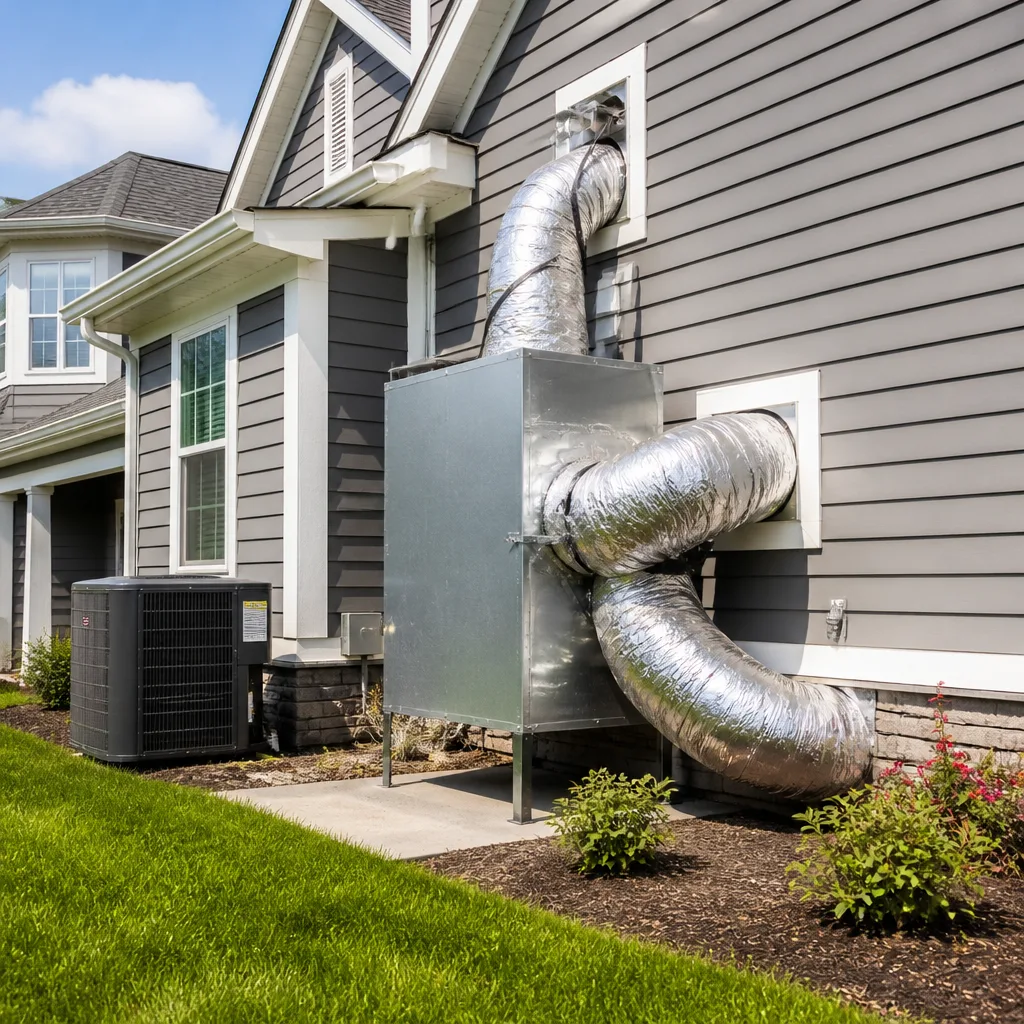 Whole-home duct cleaning
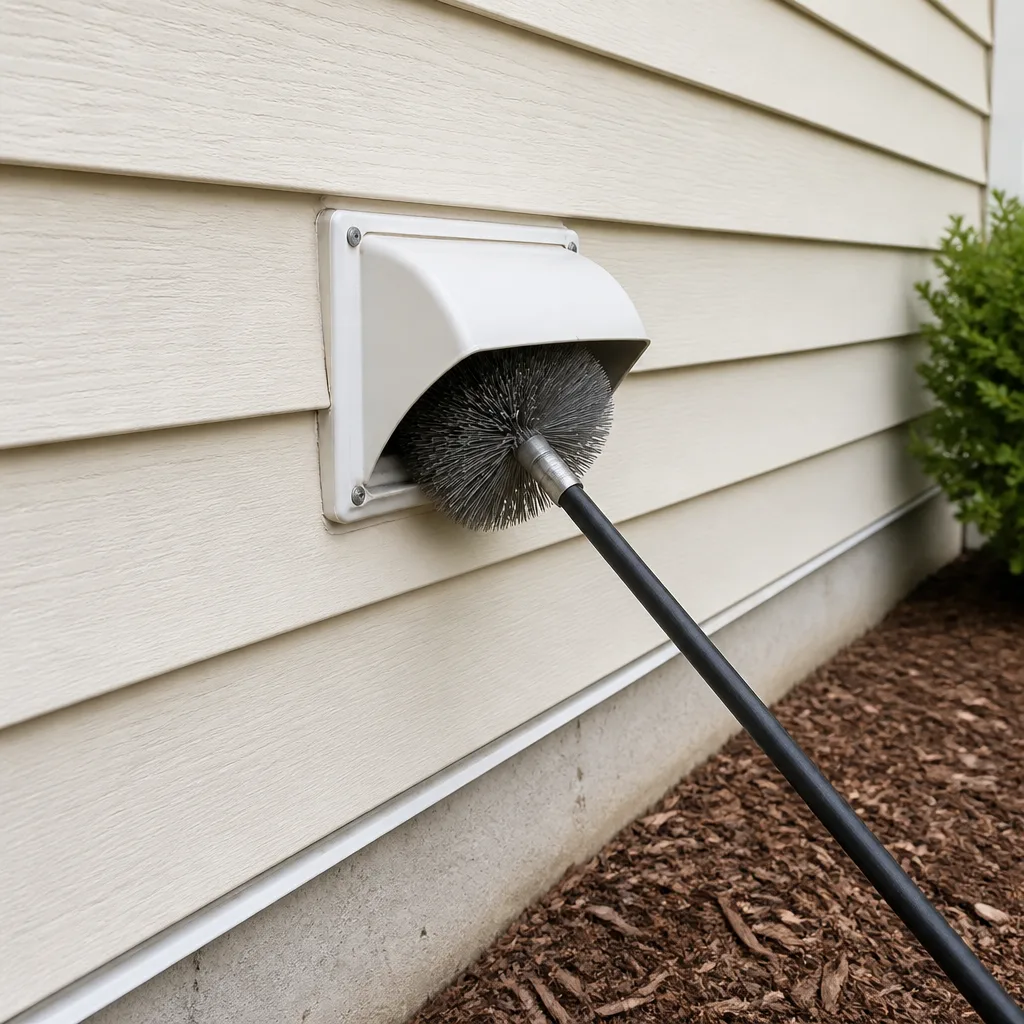 Dryer vent cleaning
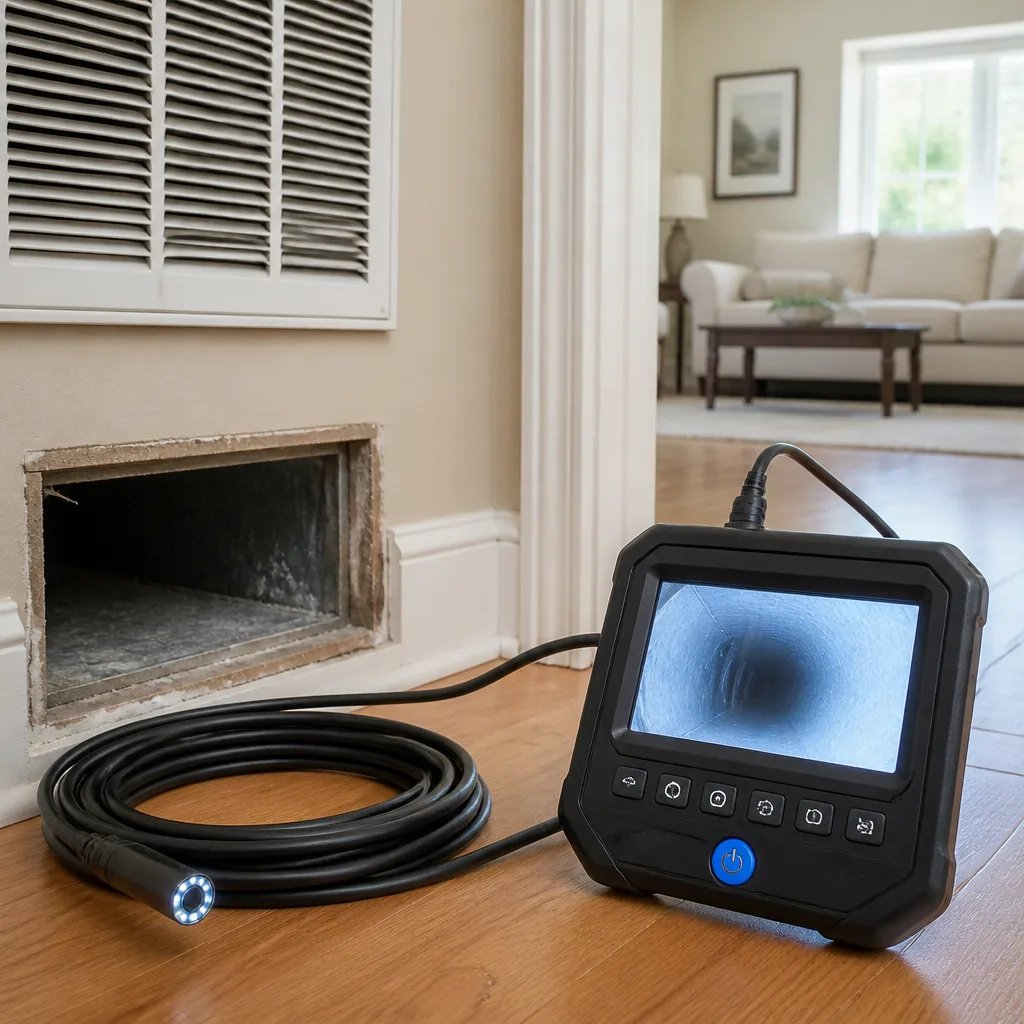 Camera inspection
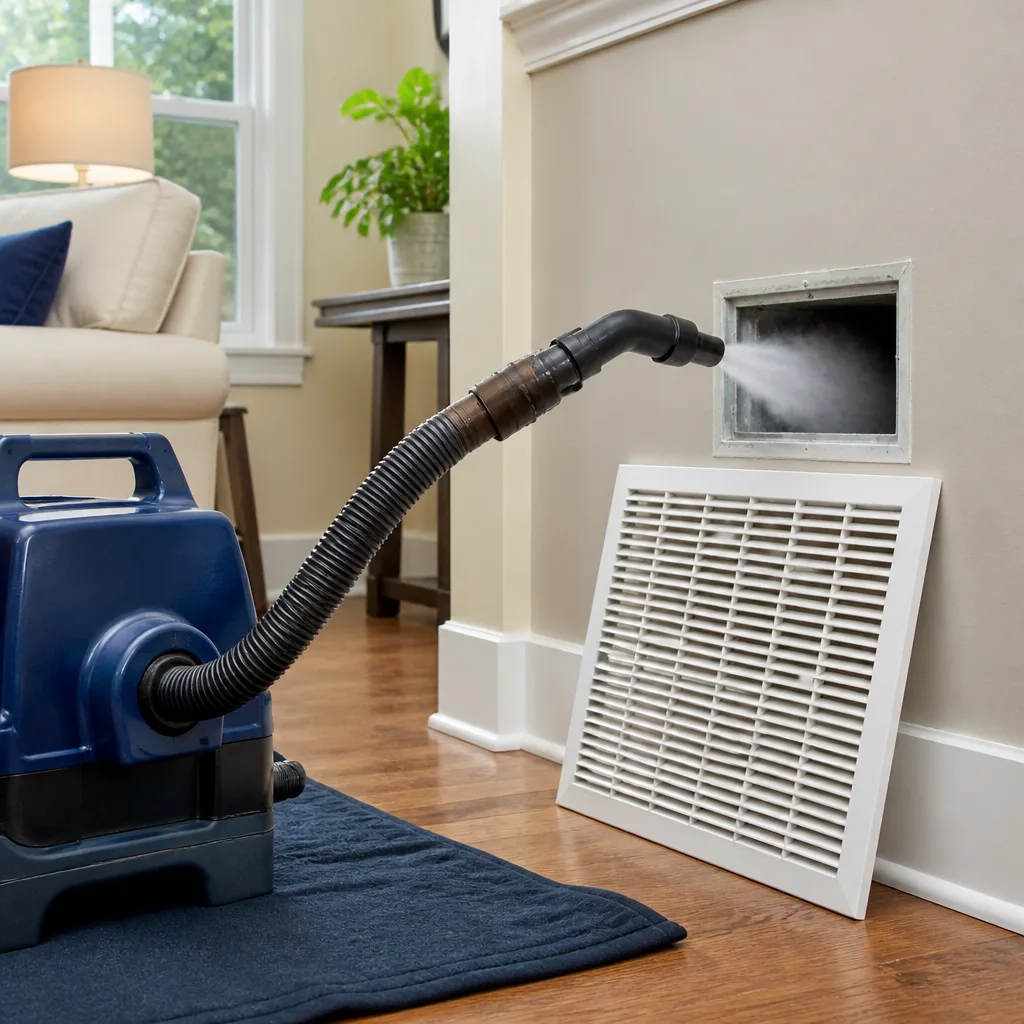 Sanitizing & deodorizing
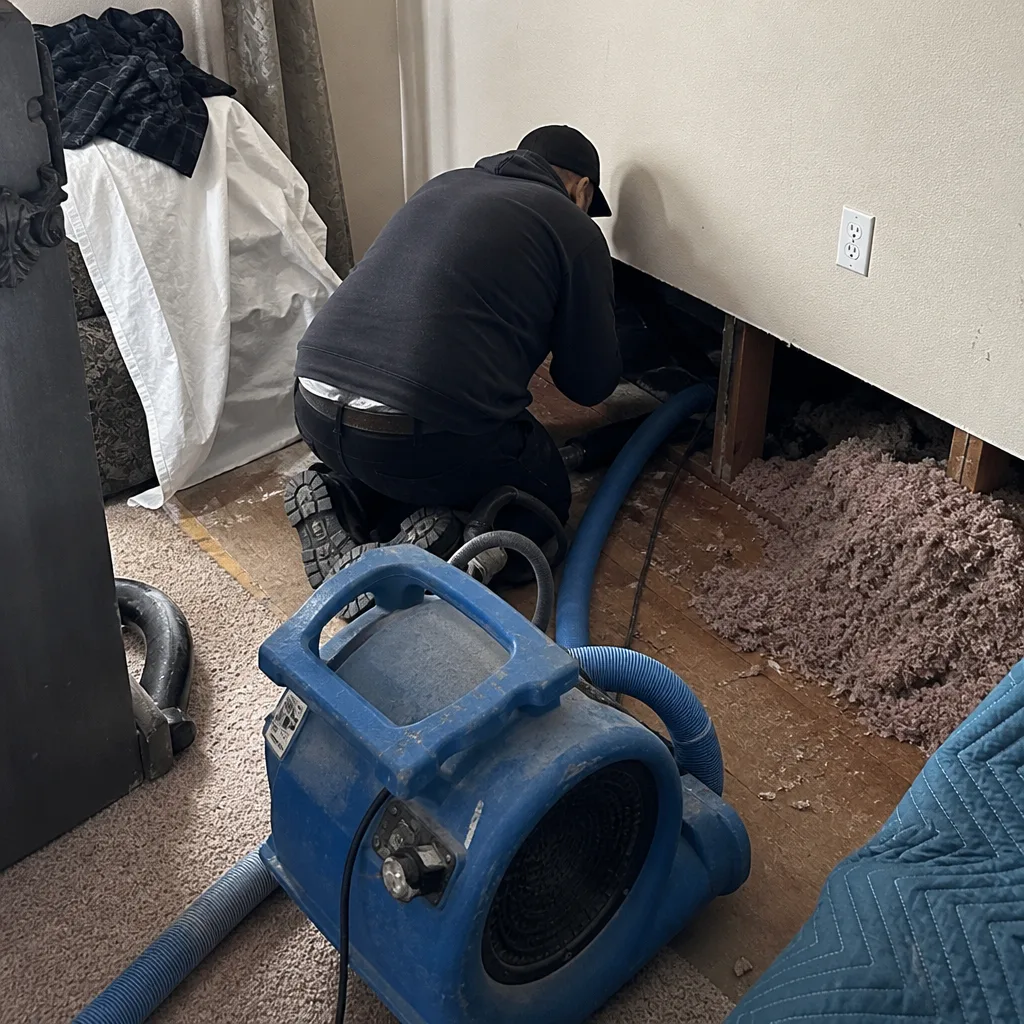
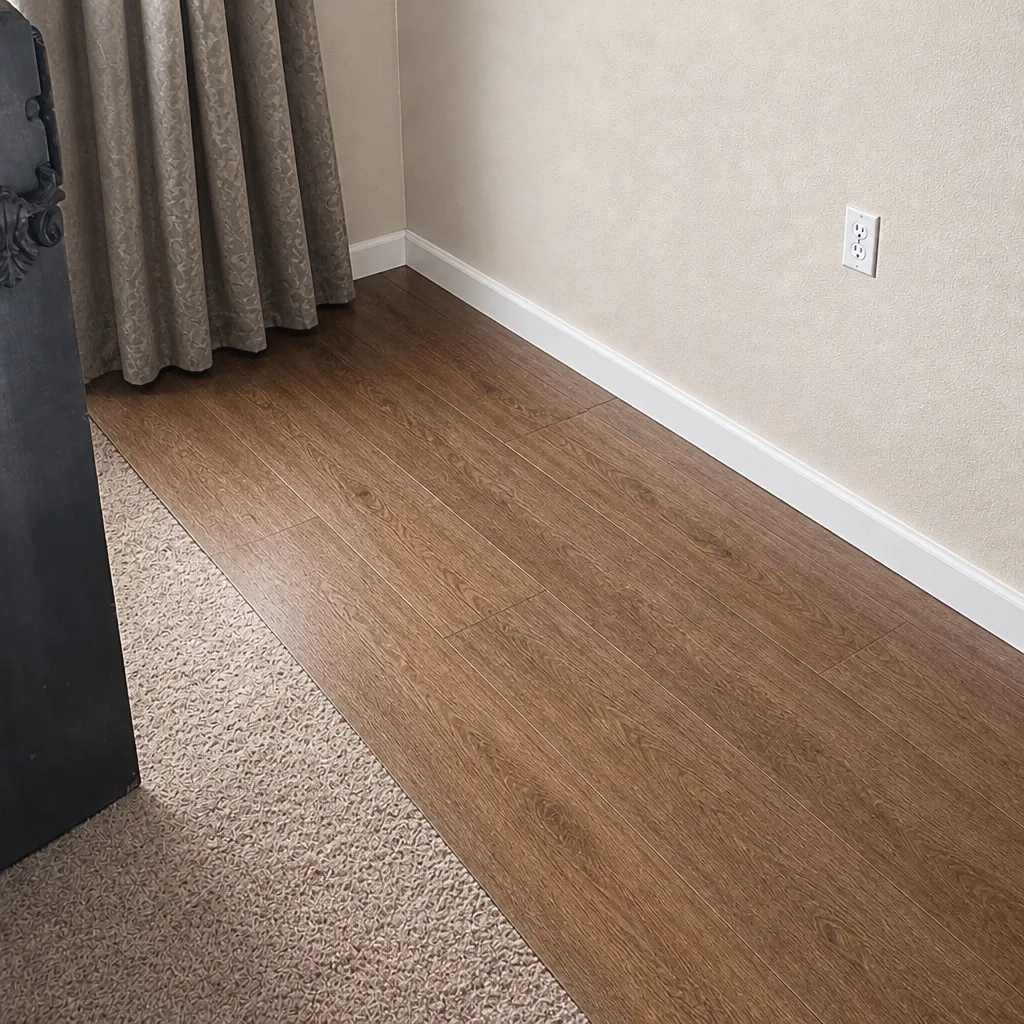
Whole-system duct and dryer vent check with before-and-after photos - you see exactly what came out of your vents
That "$99 whole-house special" is a bait ad - the real number appears once they are in your hallway, or the "clean" is a shop-vac at the register. We photograph the inside of your ducts before and after instead.
Seasonal Air Duct Cleaning Care for Lehi: Year-Round Homeowner’s Guide
Most homeowners in Lehi think about their ducts in winter, when the furnace runs and the house feels dry. That’s backward. The dirtiest air your ducts will ever move arrives on the first cool afternoon of fall, when you switch from air conditioning to heat and bake three months of accumulated dust, pollen, and construction grit through every room in the house at once. The mode switch is the event, not the season. This guide walks you through what each Lehi season does to your air pathway – spring humidifier scale, summer dust storms, the fall switch, dry winter static – and how to build a 12-month care calendar around your home’s age, construction type, and how many people live in it. By the end you’ll know when to clean, when to inspect, and when to leave the ducts alone.
Styles & brands we work with
- Whole-home duct cleaning
- Dryer vent cleaning
- Camera inspection
- Sanitizing & deodorizing
Quick Answer
For most Lehi homes, the highest-value duct cleaning happens in early fall, right before the furnace takes over from the AC – that’s the mode-switch window. Spring calls for an inspection of what winter left behind, summer calls for filter and return-plenum attention because of Utah Valley dust, and winter calls for filter discipline under sustained heating load. A full-system clean every 3 to 5 years, plus an inspection each fall, covers most homes; homes with pets, allergy sufferers, recent renovations, or new HVAC installs need more.
Table of Contents
- Why Lehi’s Four-Season Swing Changes the Duct Cleaning Calendar
- Spring: What Winter Left Behind in Your Ducts
- Summer: Dust Storms, Long AC Runs, and Return Plenum Fouling
- Fall: The Mode-Switch Window Is the Highest-ROI Cleaning of the Year
- Winter: Filter Management, Dry Air, and Static Charge
- Building a 12-Month Care Calendar for Your Lehi Home
- Signs You Need Service Before the Next Season
- Common Mistakes to Avoid
- When to Call a Professional
- Frequently Asked Questions
Why Lehi’s Four-Season Swing Changes the Duct Cleaning Calendar
Lehi sits in Utah Valley, between the Wasatch foothills and Utah Lake, and that geography drives the calendar. The valley traps fine dust and inversion air during cold months. Spring runoff and irrigation kick up mineral dust. Summer brings wind-driven topsoil off the west-side developments and the fields past Thanksgiving Point. And the temperature swing is real: a Lehi home typically runs air conditioning hard from June into September, then flips to the furnace somewhere in October, then runs heat continuously through March.
Every time your system changes mode, the airflow pattern inside your ducts changes with it. The air handler pulls through a different set of returns, the coil goes from wet to dry (or dry to wet), and the static pressure shifts. Dust that settled on duct walls during one season gets re-entrained into the airstream when the next season starts. That’s the core argument for scheduling cleaning around transitions rather than picking an arbitrary date.
Two more Lehi-specific factors matter:
- Construction dust: North Lehi and the Traverse Mountain corridor have seen heavy residential buildout for years. New homes and homes near active construction collect drywall dust and silica in their return plenums faster than established neighborhoods like Saddleback or the older streets near Main Street.
- Valley inversion periods: During winter inversions, outdoor air quality in Utah Valley is often worse than it is in summer. That means your HVAC filter is doing more work than you probably realize, and the filter’s condition matters more than it would elsewhere.
We’re Lehi Air Duct Cleaning Pros, and our technicians have up to 15 years of experience working on Utah Valley duct systems. That experience is why we schedule around seasons instead of around a generic annual reminder.
Spring: What Winter Left Behind in Your Ducts
Spring is inspection season, not cleaning season. By the time the furnace winds down in April or May, your ducts are carrying the residue of five or six months of continuous heating: fine soot, filter bypass dust, and – if you run a whole-home humidifier – mineral scale. That scale is the piece most homeowners miss.
What combustion byproducts actually look like
In a properly vented gas furnace, most combustion byproducts go up the flue, not into your ducts. But a small fraction of fine particulate does travel through the airstream, and over a heating season it deposits as a thin gray film on duct interiors, especially downstream of the furnace. If you see that film on the supply registers, it’s usually present inside the trunk line too. It’s not dangerous in a maintained system, but it’s a clear signal that the ducts are due for a clean and the filter seating is worth checking.
Humidifier scale: the invisible buildup
Lehi is dry, and many homes run a bypass or fan-powered humidifier through the winter. Those units produce mineral scale on the pad and, in some cases, fine white dust that finds its way into supply ducts. Scale deposits attract moisture, and moisture attracts biological growth. Spring is the right time to look for it, because the system is off and the evidence is undisturbed.
Spring inspection checklist
- Pull the filter and note the type, size, and last-change date. A filter that was clean in November and is black in April tells you something about filtration load.
- Remove a supply register in two or three rooms and look at the duct interior with a flashlight. A fine film is normal; visible debris piles, dust webs, or fuzzy growth are not.
- Check the humidifier pad and water panel. Heavy white scale means scale is also being carried downstream.
- Look at the return plenum and blower compartment for dust accumulation – this is where most contamination collects first.
- Note any musty smell when the fan kicks on. A smell that appears only at fan startup points to biological growth somewhere in the system.
If spring inspection shows only light dust, wait until fall. If it shows debris, scale, or a smell, schedule a full-system clean before summer’s AC load – you don’t want to send summer air through a dirty system. Our air duct cleaning service uses Rotobrush and Nikro rotary-brush and high-suction equipment to agitate and extract debris rather than just vacuuming the surface.
Summer: Dust Storms, Long AC Runs, and Return Plenum Fouling
Summer is the season most Lehi homeowners don’t think of as dirty, and it’s the one that quietly loads the return side of the system. Two things drive it: high AC runtime and wind-driven dust off the west and south of the valley.
How long runtimes foul the coil and plenum
The evaporator coil stays wet through most of a Utah Valley summer. Wet coils catch dust like a filter. When that dust film thickens, the coil can’t transfer heat efficiently, the system runs longer, and it pulls more air through more returns – all of which accelerates the accumulation in the return plenum and the blower wheel. The plenum is the big rectangular duct box where all your return branches come together. It’s also where dust piles up fastest, because it’s the collection point for every return in the house.
In our experience across Lehi, the return plenum is the single most contaminated part of most residential systems. It’s also the part homeowners never see, because there’s no register on it.
What the dust storms actually deposit
Wind events off the Lake Mountains and the west-side open ground carry fine mineral dust – tiny particles that stay suspended long enough to get pulled into your return registers. Some of it drops out in the plenum. Some of it reaches the filter. And a small fraction passes through low-MERV filters and coats the blower wheel and coil.
Summer filter strategy
- If you’re running a basic 1-inch fiberglass filter, treat it as a monthly item from June through September in Lehi.
- A pleated filter in the MERV 8 to MERV 11 range catches more of the fine dust without overloading airflow on most systems – but check with your HVAC tech before going higher.
- If your home uses a 4-inch or 5-inch media cabinet, a mid-MERV media filter is a good fit for valley dust as long as it’s changed on schedule.
- Never run the AC without a filter – even a short stretch does measurable damage to the blower and coil.
Summer is also when we get called most often for HVAC cleaning on systems that are running long cycles and shortchanging the house on cooling. Cleaning the blower wheel, coil face, and plenum restores airflow – which is a cooling fix as much as an air-quality fix. We work with Aprilaire and Honeywell filtration products when a homeowner wants to upgrade to a whole-home media filter rather than relying on disposable 1-inch filters.
Fall: The Mode-Switch Window Is the Highest-ROI Cleaning of the Year
This is the section that matters most. If you clean your ducts only once, clean them in the few weeks before you switch from AC to heat – usually late September into mid-October in Lehi.
Why the switch is the trigger
Through the summer, your ducts have accumulated a season’s worth of dust and debris, sitting mostly undisturbed because the AC was moving air along predictable paths and the coil was filtering some of it. On the first genuinely cool evening, the furnace fires up, the air handler changes speed, the supply trunk goes from cool to hot, and – critically – the debris that settled through the summer is now being pushed into every room in the house through the supply registers, warm and airborne, for the first time in months. That’s the moment your family notices. It’s also the moment you want the ducts to be clean, not the moment to schedule the cleaning.
The 30-day window checklist
- Book the cleaning before the first furnace run. Aim for a date in late September or early October.
- Inspect the heat exchanger and blower compartment while you’re at it. A pre-winter professional inspection catches problems before the heating season.
- Check the humidifier pad and bypass damper. Replace the pad and open the damper for the heating season.
- Seal accessible gaps at registers and plenum joints. Leaky ducts in the return side pull dust-laden basement, garage, or crawlspace air directly into the system. Sealing is how you keep a fresh clean from being undone.
- Confirm the filter is fresh and correctly sized. An undersized filter that rattles in its slot bypasses air around the edges and lets dust into the system downstream.
Duct repair and sealing is where most of the value lives in the fall service. Cleaning removes the debris; sealing stops it from coming back through leaks. We bring Abatement Technologies filtration equipment on the job to help contain dust while we’re working, so the cleaning doesn’t send what we’re removing back through your living space.
Winter: Filter Management, Dry Air, and Static Charge
Winter in Lehi is long, dry, and hard on your filtration and your duct surfaces. The furnace runs for months, the indoor relative humidity drops below 20% in many homes, and static charge builds up on duct walls and filter media.
Why dry air makes dust stick
At low humidity, dust particles pick up static charge and adhere more strongly to plastic duct liners, flex duct, and the metal surfaces it can reach. That means less dust in the air (good) but more dust stuck to the walls (bad, because it re-enters the airstream at the next disturbance, or as a visible fuzz layer that eventually flakes off). Whole-home humidification helps. It’s also a legitimate reason to look at Aprilaire or Honeywell humidification as part of a service visit, rather than fighting the effects of dry air all winter.
Winter filter discipline
- Check the filter every 30 days through heating season. Homes with pets should check every two weeks.
- Upgrade to a filter with a baked-in gasket if you notice dust passing around the edges. Frame bypass is the most under-diagnosed cause of downstream dust in residential systems.
- Don’t chase a super-high MERV number on a 1-inch filter. Most residential blowers can’t pull enough air through it warm, and restricted airflow is worse for your furnace than a slightly lower MERV number.
- If your home has a whole-home humidifier, keep the water panel changed on the manufacturer’s schedule. Scale buildup is the winter-specific contamination pathway.
What to watch for under sustained load
Long heating runs expose problems you may not have noticed in a mild season: whistling at registers (leaks or undersized returns), a musty smell (biological growth in the system), or uneven heat between the front and back of the house (blocked or leaking branch ducts). Any of those is a signal to have the system inspected before the problem compounds.
Building a 12-Month Care Calendar for Your Lehi Home
A useful calendar is tailored, not generic. Three variables matter more than the others: house age, construction type, and occupancy.
House age
- New construction (first 3 years): Expect construction dust in the system, regardless of what the builder did before handover. Schedule an inspection at the one-year mark and a cleaning around 18 to 24 months.
- Homes 4 to 15 years old: Standard 3 to 5-year cleaning cadence, with a fall inspection every year.
- Homes 15 years and older: Check for duct liner degradation, flex duct kinks and tears, and old-tape joints. These homes benefit most from repair and sealing on top of cleaning.
Construction type
- Flex duct systems: Sagging runs collect dust at the low points. Inspect every fall.
- Rigid metal with liner: Liner can fray at joints and transitions. Look for visible fibers at registers.
- Crawlspace or garage-adjacent returns: Higher risk of pulling in dust, vehicle exhaust, and outdoor air. Air-sealing is often the biggest air-quality fix in these homes.
Occupancy and household needs
- Pets: Shorten the cadence. A home with two large dogs collects a full cleaning cycle of fur in half the time.
- Allergy or asthma sufferers: Annual cleaning moves from optional to routine.
- Recent renovation: Schedule a cleaning immediately after major drywall, flooring, or cabinet work, and again a few months later once dust has settled.
- New HVAC install: New equipment behind contaminated ducts means new equipment working against old debris. Clean the ducts as part of the install.
A sample Lehi calendar
- March: Spring inspection – filter, registers, return plenum, humidifier pad.
- April-May: Schedule cleaning if the inspection showed debris, scale, or smell. If not, proceed to summer filter discipline.
- June-August: Filter checks every 30 days during peak AC runtime. Note any musty fan-startup smell.
- September: Book the mode-switch cleaning for late September or early October.
- October: Cleaning, duct repair and sealing, filter replacement, humidifier pad replacement, pre-winter inspection.
- November-February: Monthly filter checks, humidifier maintenance, watch for register whistling or uneven heat.
- Ongoing: Any post-renovation cleaning within 30 days of the project’s end.
Our full Lehi Air Duct Cleaning Pros team covers the five services that make this calendar work in a single visit: duct cleaning, dryer vent cleaning, HVAC cleaning, duct repair and sealing, and air quality and sanitizing.
Signs You Need Service Before the Next Season
Seasons are a useful default schedule, but some signals override it. Watch for these:
- Visible dust puffing from supply registers on furnace startup – a clear sign the ducts are carrying more than they should.
- A musty or dusty smell that only appears when the fan kicks on – points to growth or debris somewhere in the airstream.
- Uneven heating or cooling between rooms – usually blocked or leaking branch ducts, not a duct-cleaning issue on its own, but worth inspecting as part of a service call.
- Recent renovation dust – drywall, sanding, and flooring work sends fine particulate into return plenums fast. Clean within 30 days.
- A new HVAC install – clean the ducts before the new equipment pushes through old debris.
- A change in household health – if a family member has new respiratory symptoms at home and not elsewhere, get the system checked.
- Pets added to the household – even one medium-size dog meaningfully changes how often you need service.
Some of these also point to dryer vent cleaning if the smell is coming from the laundry area rather than the living space. Lint buildup in dryer vents is a separate seasonal concern and worth a look at least once a year in a lint-heavy household.
Common Mistakes to Avoid
- Cleaning only when the house “feels dirty.” Dust you can see on the registers is old news – the real load is in the return plenum and on the coil face, where you never see it. By the time it’s visible, you’re two seasons late.
- Skipping duct repair when a cleaning quote is accepted. Cleaning a leaky system is a short-term fix. Gaps at joints, torn flex runs, and disconnected boots pull dust-laden air from the attic, garage, or crawlspace straight back into the system – Lehi homes with crawlspace returns are especially prone to this.
- Upgrading to a high-MERV filter without checking airflow. A 1-inch filter in the MERV 13 range will choke many Utah Valley blowers and make the system work harder than the smaller dust load it removes is worth.
- Running a shop-vac as a “quick fix.” Consumer vacuums don’t have the suction or the agitation to lift debris from duct walls, and they stir more into the air than they remove. Professional-grade equipment like Rotobrush and Nikro exists because the physics of duct cleaning require it.
- Using the AC in summer with a pulled filter or with the filter left in the box. It happens more than you’d think when a filter is added after the fact. It also damages the blower wheel with an even film of dust that’s expensive to remove.
- Ignoring humidifier scale in spring. Scale carries downstream into supply ducts, attracts moisture in the summer, and by fall your “clean” system has silt in it. Spring is when the evidence is easiest to see.
- Assuming the humidity of the house is fine because Lehi is dry. Dry is exactly the problem in winter. Without humidification, dust clings to duct walls and filter media, and the system ends up dirtier than the indoor air suggests.
When to Call a Professional
Call a professional in these situations: visible debris or a musty smell in the system; a renovation that produced heavy dust; a new HVAC install at a home with older ducts; any home with allergy or asthma sufferers where symptoms seem tied to indoor air; visible tears, kinks, or disconnected runs in accessible flex duct; and any home that hasn’t had the system looked at in more than five years. These situations call for professional-grade equipment, not a shop-vac and a Saturday afternoon. Lehi Air Duct Cleaning Pros offers free estimates in Lehi – call (855) 579-6778. We answer 24/7. Fast dispatch from 7am to 7pm, Sunday through Friday.
Frequently Asked Questions
Every 3 to 5 years for most homes, with an annual inspection. Homes with pets, allergy sufferers, recent renovations, or new HVAC installs should clean closer to every 2 to 3 years, and homes near active construction in north Lehi may need quicker attention. Call (855) 579-6778 for an estimate – estimates are free.
Late September into early October, right before the furnace switches on for heating season. That’s when the cleaning removes a full summer’s worth of dust before it bakes through the house on first heat. Spring is the next-best window, but only if the inspection shows real debris or humidifier scale. Call (855) 579-6778 to book the fall window.
Yes, mostly through the return side. Wind-driven mineral dust off the west side of Utah Valley and the Lake Mountains gets pulled into return registers and settles in the return plenum, blower wheel, and coil face. It’s fine dust, so a low-MERV filter catches some but not all of it. A duct system on high AC runtime in summer is exactly the setup for summer plenum fouling.
Ask for before-and-after photos of your own ducts, not stock photos. A professional crew photographs the return plenum and coil area before and after cleaning so you can see the change. We provide before and after photos as a standard part of the job, and we agree on one flat price per system before work starts.
Because cheaper quotes usually mean consumer-grade vacuums, no rotary agitation, no inspection of the return plenum, and no sealing. What looks like a bargain quote is often a shop-vac pass over the supply registers. Ask about equipment, about whether the plenum is included, and whether duct repair and sealing is part of the scope. Call (855) 579-6778 for an estimate – estimates are free.
Not effectively. The physics of duct cleaning require sustained high suction plus physical agitation to lift debris from duct walls – something consumer vacuums don’t have. Doing it yourself generally redistributes dust into the living space rather than removing it. For anything involving the heat exchanger or electrical components, use a trained professional. Call (855) 579-6778 for an estimate – estimates are free.
The Bottom Line
Lehi’s four-season climate drives duct contamination in a specific pattern: spring leaves humidifier scale and winter soot, summer loads the return plenum with valley dust and coil fouling, fall is the mode-switch window where the highest-ROI cleaning happens, and winter is a filter and static discipline problem. A useful care calendar is tailored to your home’s age, construction type, and household occupancy – not to a generic annual reminder. Add duct repair and sealing to any cleaning so leaks don’t undo the work, and treat filtration upgrades as part of the same system, not a separate purchase. Our technicians have up to 15 years of experience on Utah Valley systems, and we’re ready when you are.
Call Lehi Air Duct Cleaning Pros at (855) 579-6778 for a free estimate. We answer 24/7. Fast dispatch from 7am to 7pm, Sunday through Friday.
Written by the team at Lehi Air Duct Cleaning Pros.
See the difference
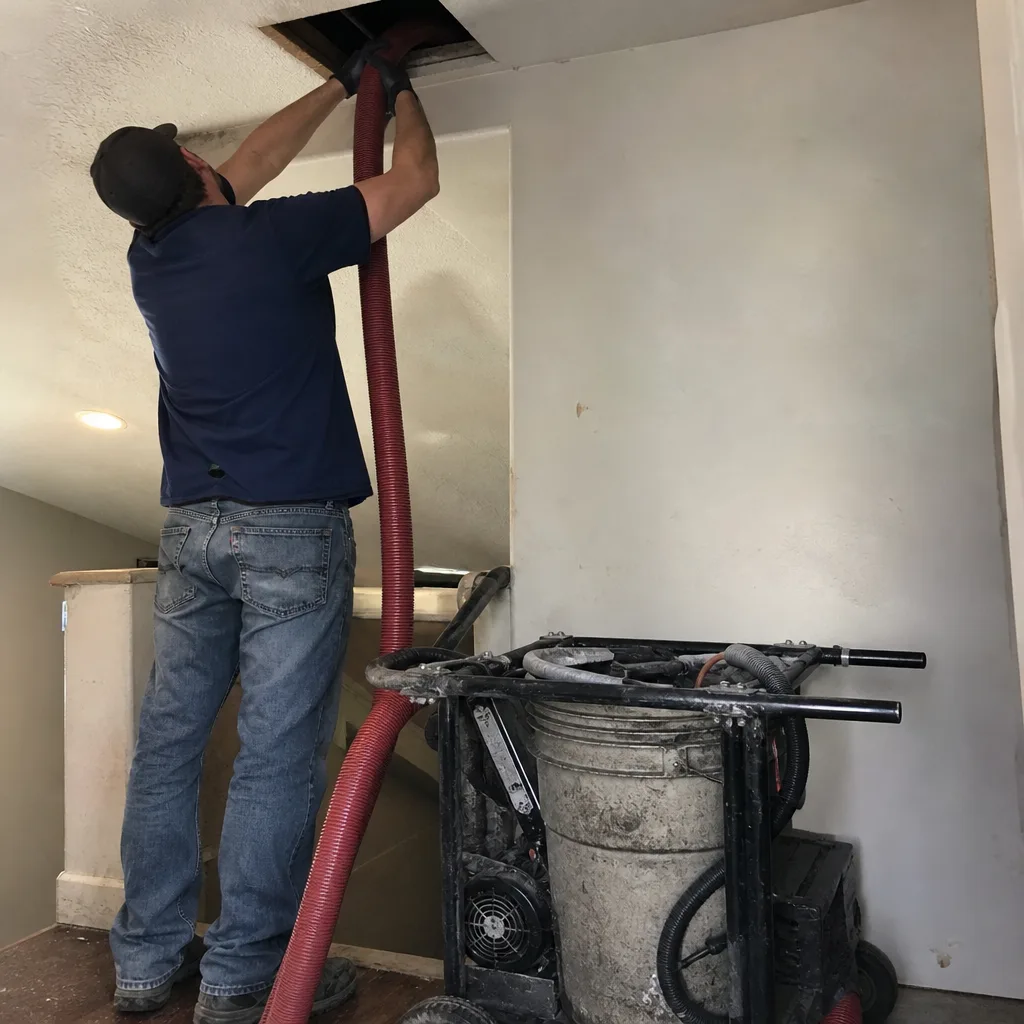 Before
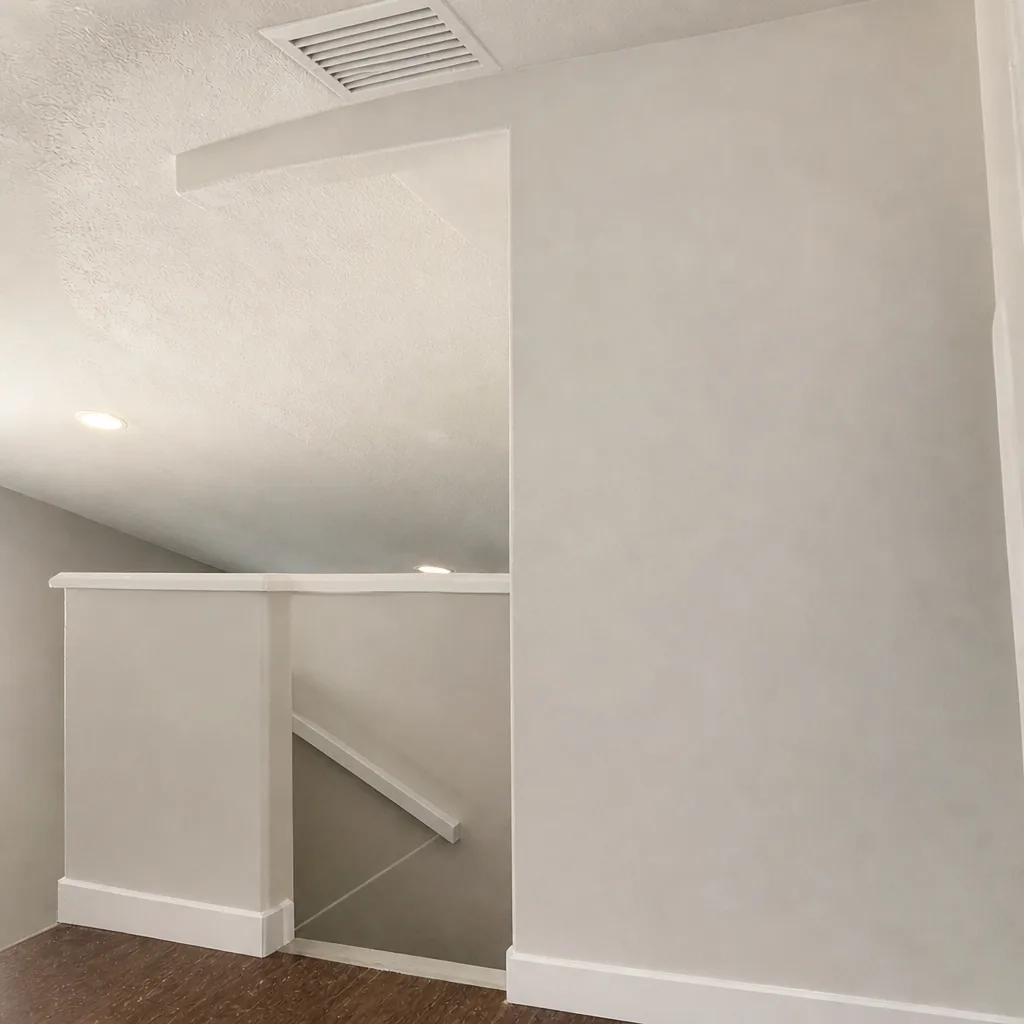 After
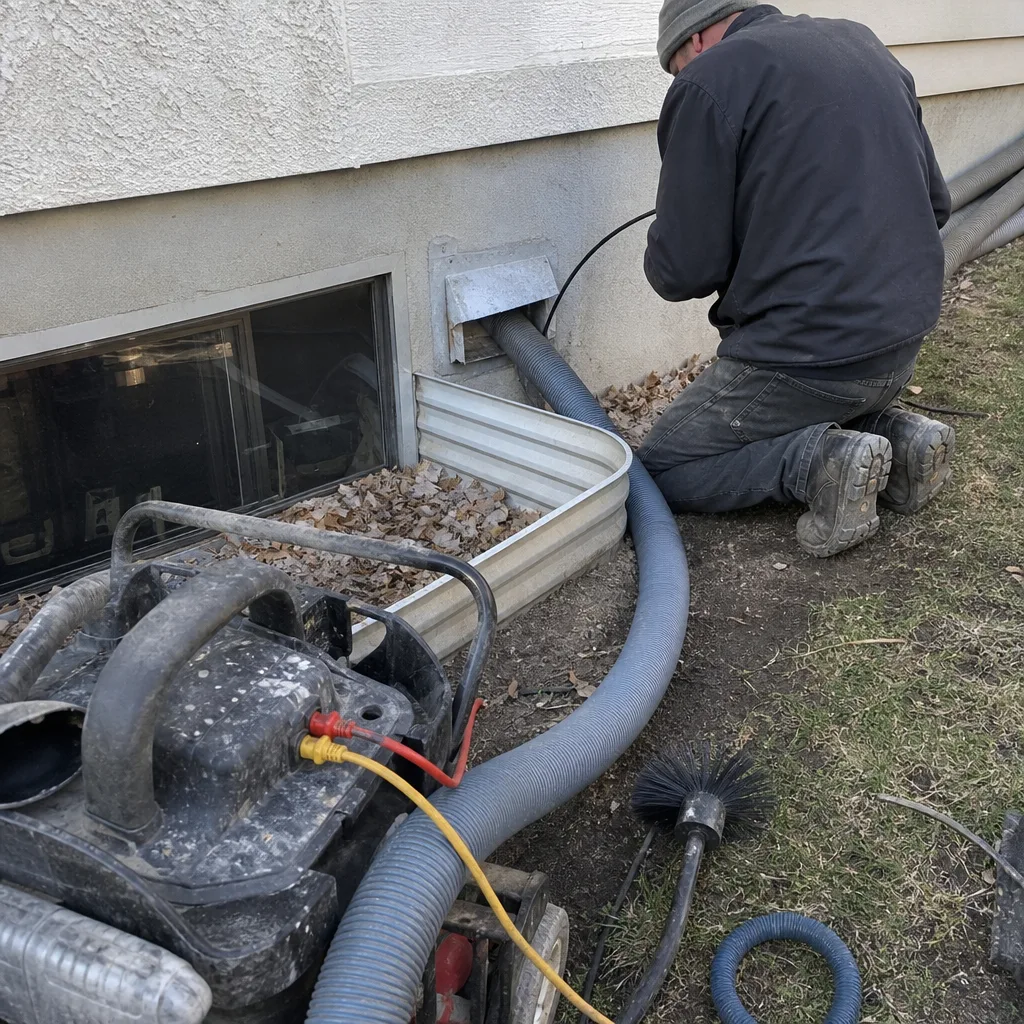 Before
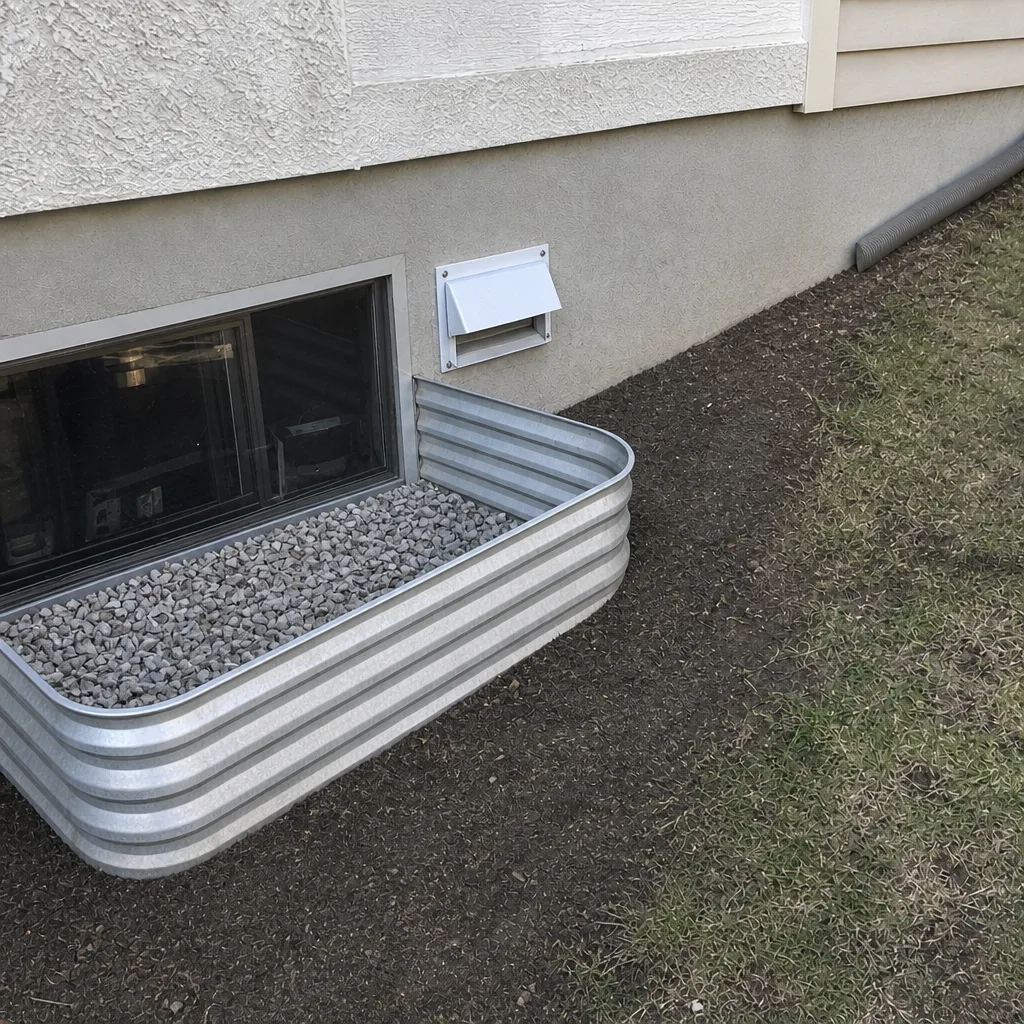 After
 Before
 After