
Last updated November 25, 2026
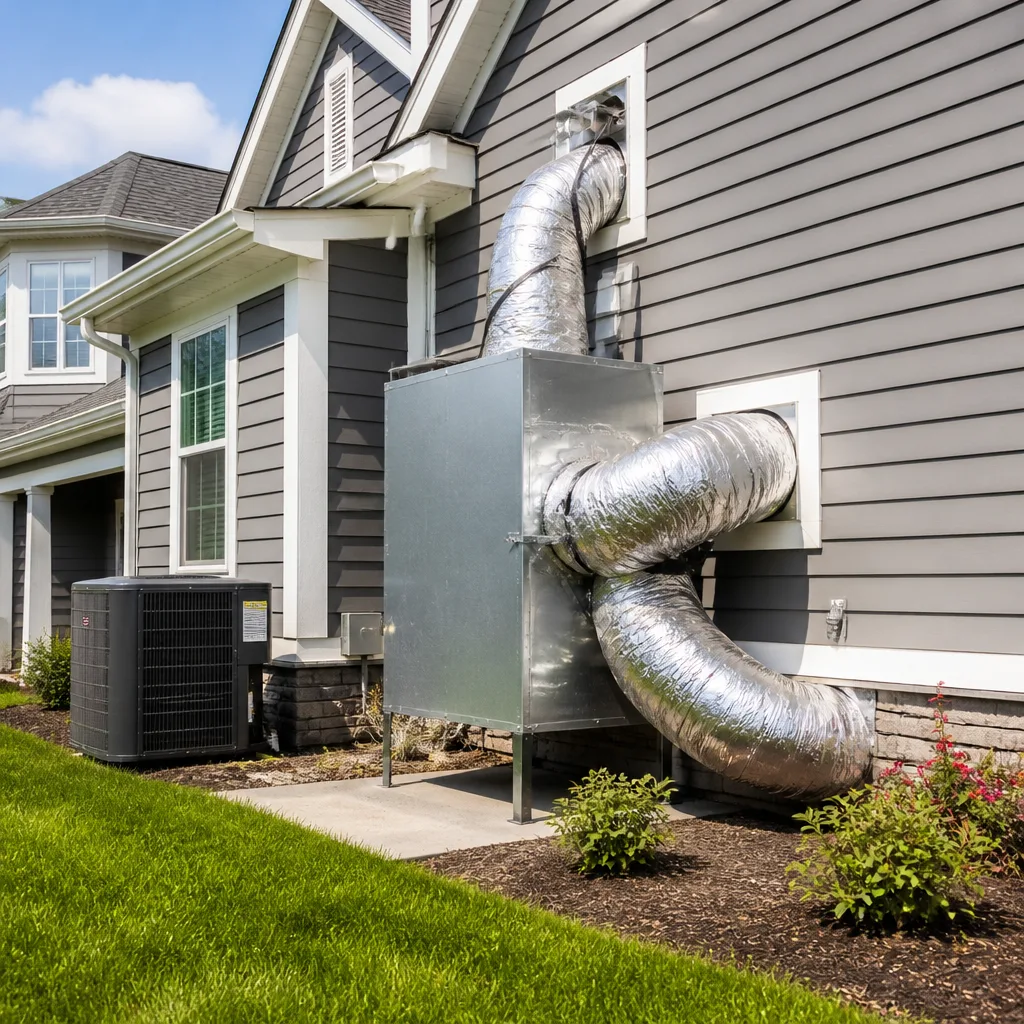 Whole-home duct cleaning
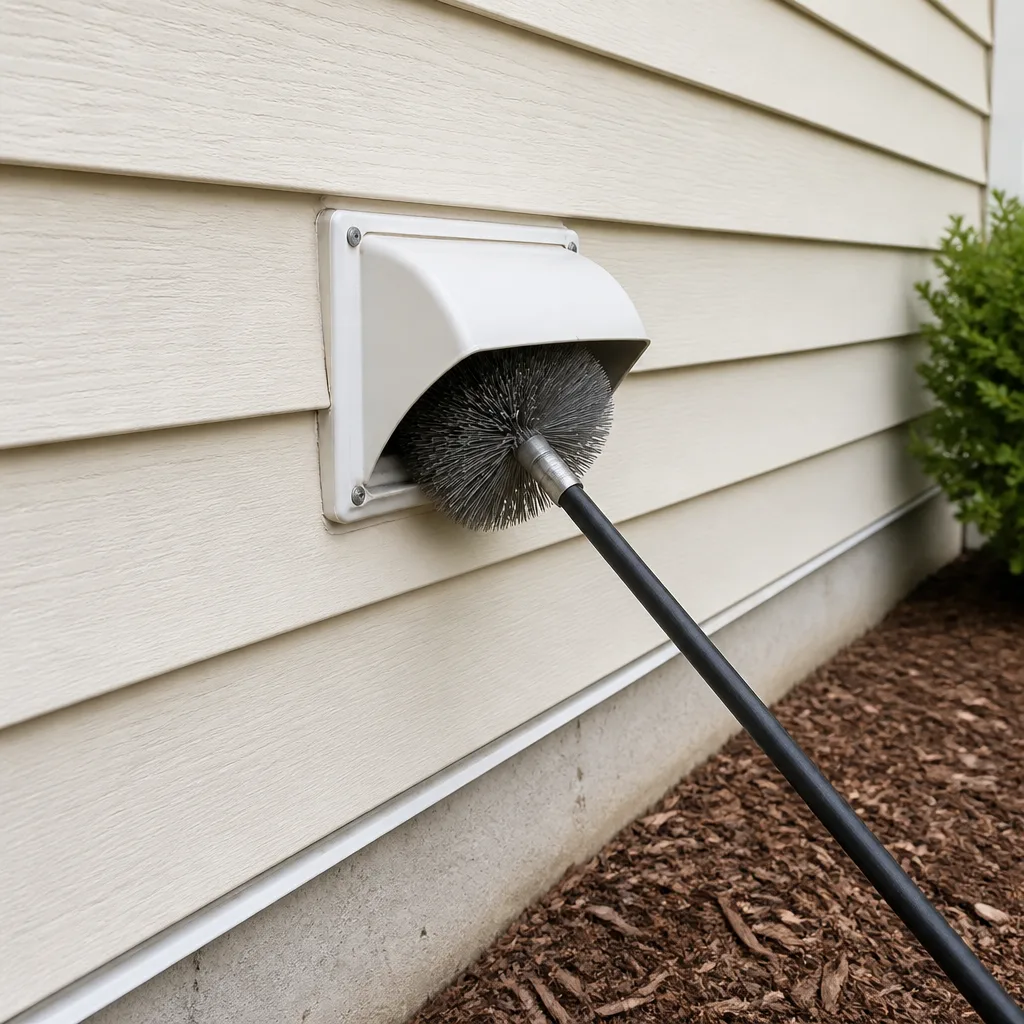 Dryer vent cleaning
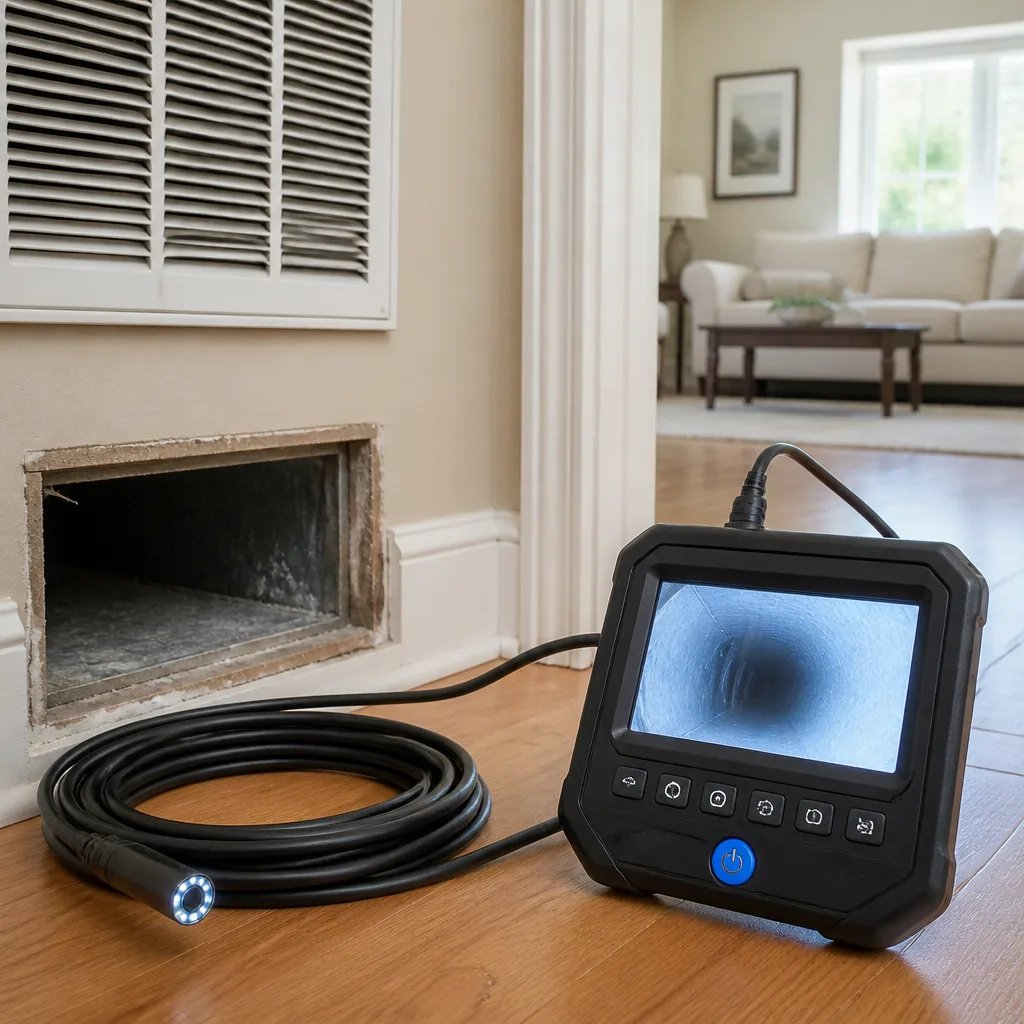 Camera inspection
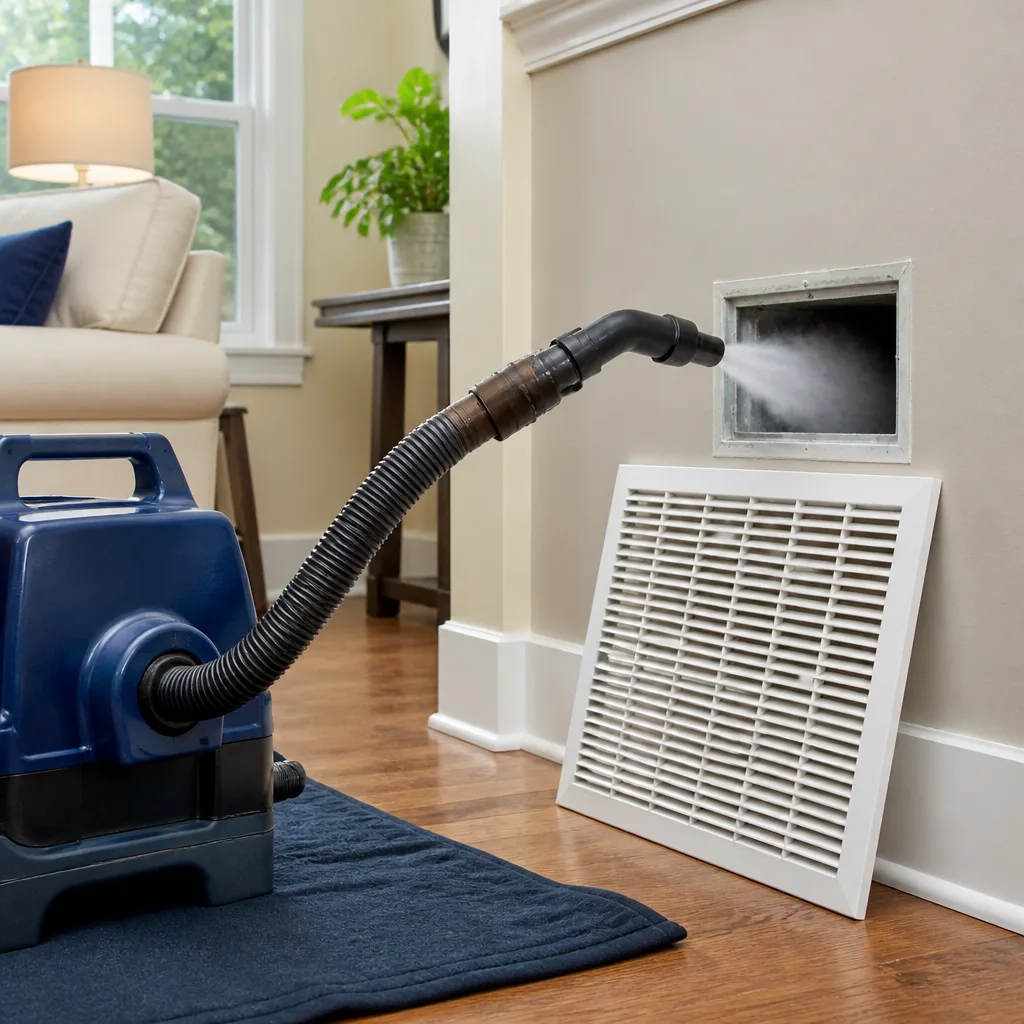 Sanitizing & deodorizing
Whole-system duct and dryer vent check with before-and-after photos - you see exactly what came out of your vents
That "$99 whole-house special" is a bait ad - the real number appears once they are in your hallway, or the "clean" is a shop-vac at the register. We photograph the inside of your ducts before and after instead.
Air Duct Cleaning Cost Breakdown: The Lehi Homeowner’s Reference for 2026
Most Lehi homeowners shop for duct cleaning the same way they shop for a plane ticket: they look at the headline number and pick the lowest one. That habit costs money. Quotes in Utah County for what looks like the same job swing by hundreds of dollars, and the gap has almost nothing to do with profit margin. It’s a list of things the cheap contractor quietly isn’t doing – the second return trunk, the negative pressure setup, the access cuts, the post-job filtration. This guide breaks a duct cleaning estimate into its real components so you can compare bids on equal terms. You’ll see how the pricing models work, what legitimately raises cost in a Lehi home, and the exact line items to ask every contractor to price separately.
Quick Answer
Air duct cleaning for a typical single-family home in Lehi generally runs somewhere between $300 and $700 for the full system, with most homes landing near the middle of that range. Two-story homes, systems over 3,000 square feet, and homes with flex duct or known contamination run higher. The single biggest driver of your final price isn’t the size of your house – it’s whether the quote covers the whole air pathway or just the supply registers you can see.
Styles & brands we work with
- Whole-home duct cleaning
- Dryer vent cleaning
- Camera inspection
- Sanitizing & deodorizing
Table of Contents
- Why Duct Cleaning Quotes Spread So Wide in Lehi
- The Three Pricing Models and Which One Is Fair
- The Itemized Cost Breakdown
- What Legitimately Increases Cost in a Lehi Home
- The Economics of Duct Sealing as a Combined Service
- How to Use Competing Quotes as Leverage
- Why Utah Valley Climate Makes Duct Health Matter
- Common Mistakes to Avoid
Why Duct Cleaning Quotes Spread So Wide in Lehi
The spread between quotes in Lehi isn’t a red flag by itself. It’s a signal that two contractors are describing two different jobs using the same word. When one bid reads “$199 whole house” and another reads “$620,” the difference almost never lives in the cleaning itself. It lives in the scope.
Here’s what a low bid usually leaves out, in our experience:
- The return side. A lot of “whole house” quotes only cover supply registers. Returns pull air back into the system and collect the bulk of dust, pet hair, and debris. Cleaning supply-only leaves the dirtiest half untouched.
- Negative pressure containment. Professional systems pull the entire duct network under vacuum before any brush touches a wall. Consumer-grade shop-vac rigs agitate debris into the living space instead of extracting it. We use Abatement Technologies filtration to keep the air in your home clean while we work – that’s a real cost line, not a marketing flourish.
- Access cuts and resealing. Plenty of Lehi homes – especially newer construction west of the freeway – have trunk lines hidden behind drywall or tight flex runs. Getting to them means cutting access points and sealing them again. Cheap bids skip the cut and skip the return trunk.
- Register and boot cleaning. Pulling the vents and washing each boot is time-intensive. It’s also the part a homeowner sees. Skipping it is invisible until the next dust storm.
- Post-cleaning sanitizing or Guardsman treatment. Optional on most jobs, essential after mold or rodent activity. Some bids fold it into the base price, some pitch it as an add-on, and some just don’t mention it.
When you stack those components against a $199 coupon, the coupon looks less like a deal and more like a different job with the same label. If you want to see what the full scope actually looks like, our air duct cleaning service is built around the whole pathway, not just the visible vents.
The Three Pricing Models and Which One Is Fair
Duct cleaning in the Lehi market gets quoted three ways: per vent, by square footage, or as a flat rate per system. Each has a place, but they behave very differently when the job gets complicated.
Per-Vent Pricing
You’re charged a fixed amount for every register the technician cleans. A typical Lehi home has 15 to 25 vents, so a “$25 per vent” quote sounds reasonable until you realize it only covers supply registers and adds up fast. Per-vent pricing also punishes you for the size of your house, not the complexity of the job, and it lets a contractor game the total by arguing over what counts as a vent. It’s the model most likely to inflate at the invoice stage.
Square-Footage Pricing
Charged on the heated square footage of the home. This is common in new construction and property management, and it’s easy to compare. The weakness: a 2,800 square foot home with a single air handler and short flex runs is a very different job from a 2,800 square foot home with two systems and a long trunk line. Square footage can’t see that difference, so the quote either overcharges the simple home or undercharges the complex one, and complex homes tend to trigger add-on pricing once the tech is on site.
Flat Rate per System (Our Preferred Frame)
Charged as one price for the entire air pathway – supply, return, boots, registers, and the air handler cabinet where accessible. This is the model to insist on in Lehi. It forces the contractor to answer “what’s the whole job?” before quoting, it eliminates per-vent gamesmanship, and it gives you a written estimate that either holds or doesn’t. We quote one flat price per system, agreed before any work begins, and the written estimate is what you pay. That’s a small thing to ask for and a big thing to get.
The Itemized Cost Breakdown
Here’s what the components of a full system clean actually look like when priced out separately for a typical Lehi home. These are typical ranges for the Utah County market in 2026, not a menu – most contractors bundle them, and the written estimate is what sets the final number.
- Full system cleaning (1 to 8 vents): $300 – $400. Covers supply and return trunks, boots, and register covers for a compact home or townhome.
- Full system cleaning (9 to 18 vents): $400 – $550. The mid-size single-family home – the most common Lehi job.
- Full system cleaning (19+ vents or two systems): $550 – $750+. Larger homes, two-story layouts with two air handlers, or homes with long trunk runs.
- Access cut and reseal: $75 – $150 per location. Added when a trunk line is concealed and no existing access panel is present.
- Register and boot washing: Usually bundled, but $5 – $10 per register when priced alone. Confirm it’s included.
- Negative pressure containment setup: Standard on any professional job, occasionally a line item. If a contractor charges separately for this, ask why.
- Sanitizing (Guardsman treatment): $100 – $200. Most useful after mold or pest activity, or on a system that hasn’t been cleaned in several years.
- Dryer vent cleaning (add-on): $100 – $175. Often bundled with a duct job; the vent independent pricing matters because of lint fire risk.
- HVAC cleaning (add-on): $150 – $300. Covers the air handler cabinet, coil area, and blower housing – the entry point most contaminants use.
Adding up a typical mid-size job with one access cut, sanitizing, and a dryer vent runs $650 – $900, which is a fair picture of the true full-system price. A $199 coupon almost never includes those add-ons.
If you want to add HVAC cleaning as part of the same visit, that’s the scope behind our HVAC cleaning service – it means one visit handles both halves of the system rather than scheduling two contractors.
What Legitimately Increases Cost in a Lehi Home
Not every high quote is upselling. Some homes are genuinely harder to clean, and a fair estimate will name why. The factors below are the ones that show up most in Lehi, and each one adds legitimate cost.
- Two-story homes. Long trunk runs and a second air handler mean more access points, more boots, and more time. Expect the upper end of the range.
- Homes over 3,000 square feet. More duct volume means more extraction time and often two systems rather than one.
- Flexible duct. Flex duct has ridges and turns that trap debris and resist rotary brushes. Cleaning it well takes more passes than rigid galvanized duct.
- Known mold activity. If a home has visible mold inside a duct or a history of moisture, cleaning needs to be paired with sanitizing and, ideally, an inspection of the source. Cleaning without fixing the moisture is a partial answer.
- Rodent activity. Rodent debris inside ducts is a health concern and demands containment-grade filtration during removal, plus sanitizing afterward. It’s the single biggest scope multiplier in this trade.
- Access limitations. Homes with concealed trunks, drop ceilings, or unusual retrofits require access cuts that take time.
- Contamination depth. Homes that haven’t had duct service in several years can produce several pounds of debris per system, which extends extraction time.
If you’re dealing with any of these, a contractor who prices the whole job flat will usually land in the $550 – $850 range for Lehi homes, and the price in writing is what should hold. When a contractor can’t tell you what pushes the price up, that’s the moment to ask the direct question.
The Economics of Duct Sealing as a Combined Service
Here’s the counterintuitive part of duct cleaning pricing: the cheapest job and the most valuable job aren’t always the same, and the difference often comes down to sealing.
Clean ducts don’t stay clean if your duct system leaks. Leaky ducts pull unconditioned attic air, garage air, and dust back into the system. On a Lehi home with ducts in a hot attic, that leak is a real efficiency loss in summer and a dust source year-round. Sealing addresses the root cause. That’s why we treat duct repair and sealing as its own line in our service scope rather than a bolt-on.
When Sealing Together with Cleaning Makes Sense
- The ducts are in an attic or unconditioned space.
- You can feel air movement at joints, boots, or the air handler seams while the system is running.
- You’ve noticed rooms that never quite heat or cool to the thermostat.
- Your HVAC bill has been creeping up without a change in usage.
- The duct system is 10+ years old and uses tape or mastic that has dried and cracked.
When Sealing Is Not Worth Bundling
- Ducts are in conditioned space and sealed tight already – the ROI is small.
- The system has known mold or rodent issues that need to be corrected first.
- You’re moving, selling, or the duct system is nearing replacement anyway.
The math on sealing typically puts the combined cleaning-plus-sealing job in a wider range – call it $900 – $1,800 depending on the number of leaks, the sealing method, and the size of the system – and a fair quote will separate the two prices so you can see what you’re paying for each. Mastic sealing on accessible joints is the lower-cost option. Aeroseal-style aerosol sealing is a contractor-level process that seals the leaks from inside the duct work, and it generally runs higher. Ask each contractor to quote cleaning alone, then cleaning plus sealing, and compare the delta. That number is the real ROI question.
Clean ducts are the start – sealed, repaired ducts are the finish. If you notice gaps at joints, boots, or the return plenum, ask about sealing as part of the same visit.
How to Use Competing Quotes as Leverage
Competing quotes are only leverage if you’re comparing the same scope. A “cheaper” quote on a smaller scope isn’t a lower price, it’s a different product. Here’s the process to make bids comparable.
- Ask each contractor to quote these items separately: supply-side cleaning, return-side cleaning, register and boot washing, containment setup, access cuts, sanitizing, dryer vent, and HVAC cleaning. You’ll get eight numbers per contractor instead of one, and you’ll immediately see who’s actually quoting the whole job.
- Ask what equipment brand they use. Rotobrush and Nikro are the professional-grade standards in this trade – rotary-brush agitation plus high-powered vacuum extraction. A contractor using a shop-vac rig will often quote less and do less. Ask directly; a professional will tell you.
- Ask whether the price is flat or per-vent. One flat price per system is the answer you want. Anything that ends in “plus X per additional vent” invites an invoice surprise.
- Ask for before-and-after photos of your own ducts. Not stock photos, not a gallery – your own ductwork. Any contractor who won’t provide that is asking you to take the work on faith.
- Ask what happens if they find something unexpected – hidden mold, a rodent nest, a collapsed flex run. A written estimate should say what gets re-quoted versus what gets fixed at the quoted price.
- Compare on the itemized totals, not the headline. The lowest number on a one-line quote is not evidence of a lower price. It’s evidence of less scope.
This isn’t aggressive – it’s how a thoughtful homeowner in Lehi should buy the service. Any contractor who can’t produce those line items on paper is telling you something about how the invoice will go.
Why Utah Valley Climate Makes Duct Health Matter
Lehi’s climate shape what ends up in your ductwork. The valley sits against the Wasatch Front and pulls dry, dusty air off the mountains and out of Utah Lake’s basin. Spring wind events push fine dust through window seals and return grilles, and long dry summers keep it suspended in the air longer than it would in a humid climate. Winter inversions trap particulate against the mountains, and those particles find their way into return ducts when the HVAC runs continuously to heat.
New construction adds another layer. Lehi has grown fast, and new homes across the west side are often finished with drywall dust, sawdust, and construction debris still inside the duct network when the HVAC is first turned on. That debris gets pushed through the system on the first heating season and settles in the return trunks and boots. It’s a common reason a brand-new home benefits from a first cleaning inside the first two years.
If you’re moving into a new build, scheduling a first cleaning before the summer cooling season is a small line item against the cost of running a dusty system for years. This is the reason we recommend the full-scope clean – supply, return, boots, and air handler – rather than a supply-only pass. Half a clean duct is a clean duct that gets recontaminated by the dirty half.
If you’re a Lehi homeowner coming off a remodel, a new HVAC install, or a season of allergy symptoms that seem worse indoors than outdoors, that’s the point to get a quote rather than guess.
What Add-Ons Are Worth Paying For
Every quote seems to come with optional add-ons. Here’s how to sort the real ones from the padding.
- Worth it: Sanitizing after mold or pest activity. Usually skippable: Sanitizing on a clean, healthy system.
- Worth it: HVAC cleaning when the air handler hasn’t been touched – it’s the entry point for most contaminants. Skippable: When it was cleaned within the last two years and the system is sealed.
- Worth it: Dryer vent cleaning every year or two – lint is a genuine fire risk, and it’s a small line item against a valid safety concern. Check our dryer vent cleaning service if it hasn’t been done.
- Worth it conditionally: Guardsman treatment as a surface protectant after sanitizing. It’s a real product, and it’s not a substitute for fixing the moisture or source of contamination.
- Worth it conditionally: Aprilaire and Honeywell whole-home filtration upgrades. If your system is being opened anyway, adding a MERV-rated media cabinet or a humidity control unit as part of the same visit is often a good use of the day. If the cleaning is the priority, defer these to a separate project.
- Almost never worth it: UV lights pitched as a stand-alone IAQ solution without fixing the filtration and sealing first.
Common Mistakes to Avoid
- Picking the lowest headline price. A $99 or $199 coupon in Lehi is rarely the whole price, because it doesn’t cover returns, containment, or register washing. Ask what the coupon includes before you book the visit.
- Assuming “whole house” means the whole system. In this trade, “whole house” sometimes means every supply register, not the return trunks or the air handler. Get the scope in writing.
- Skipping the duct repair question. Cleaning a leaking duct system means cleaning it, then recontaminating it. Ask whether the contractor checks for leaks and quotes sealing.
- Booking without asking what equipment is used. Rotobrush and Nikro equipment agitates and extracts with contractor-grade power. A shop-vac rig agitates and stops there. Ask.
- Not asking for photos. Before-and-after photos of your own ducts are the single best way to confirm the work was done. Any reputable contractor will supply them.
- Believing duct cleaning fixes a dust problem on its own. Duct cleaning handles what’s inside the ducts. Filters, seals, and humidity do the rest. If your dust problem is chronic, the answer is a system-level answer.
- Letting a contractor skip containment. A contractor who agitates debris without negative pressure setup just relocates the dust into your living room. Abatement-grade filtration should be standard on every job, and if it’s not offered, that’s the reason to say no.
See the difference
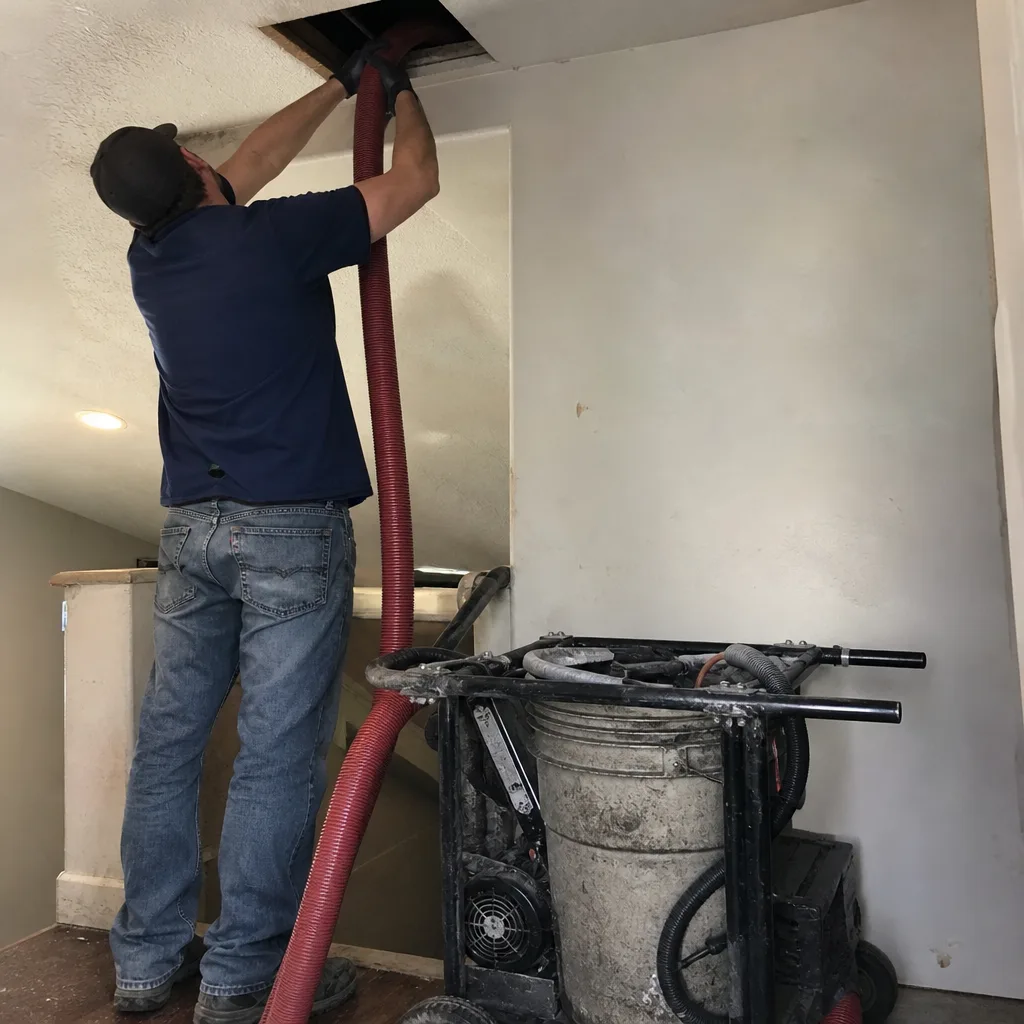 Before
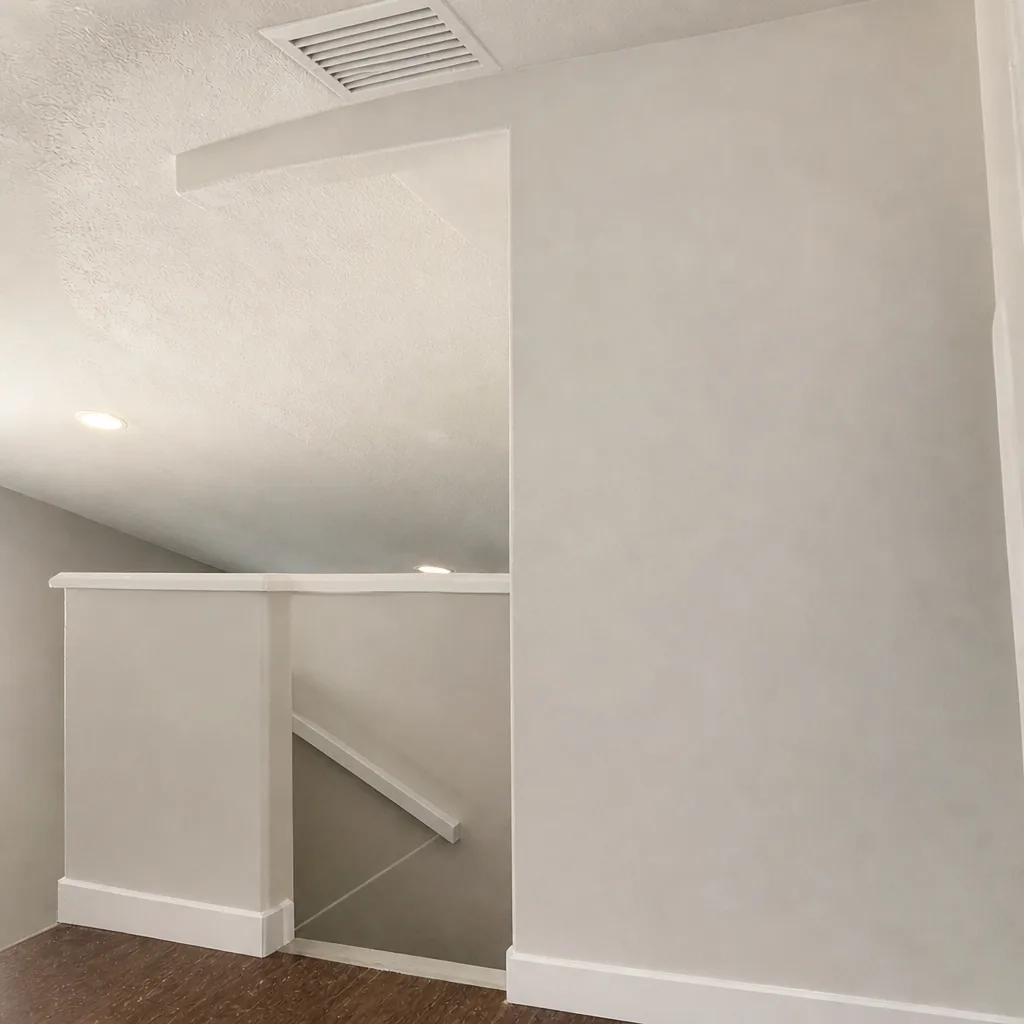 After
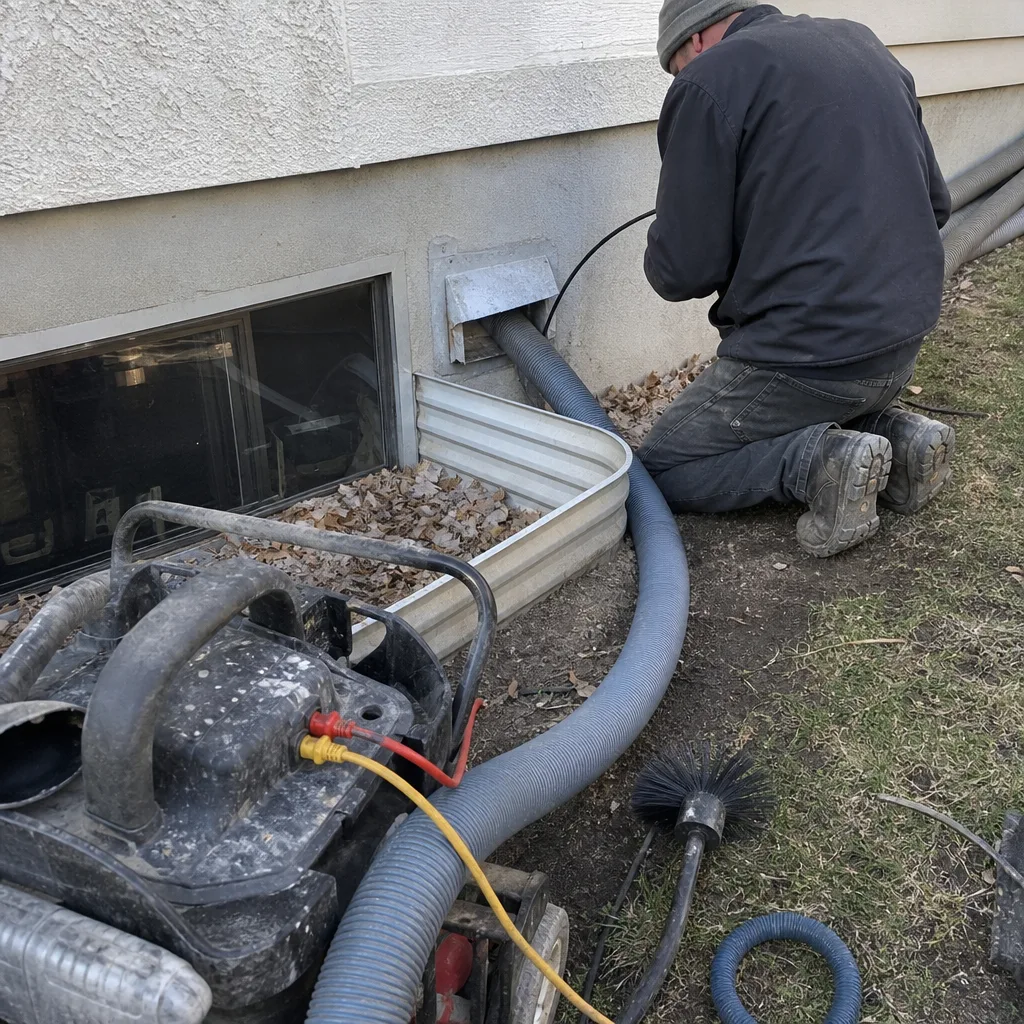 Before
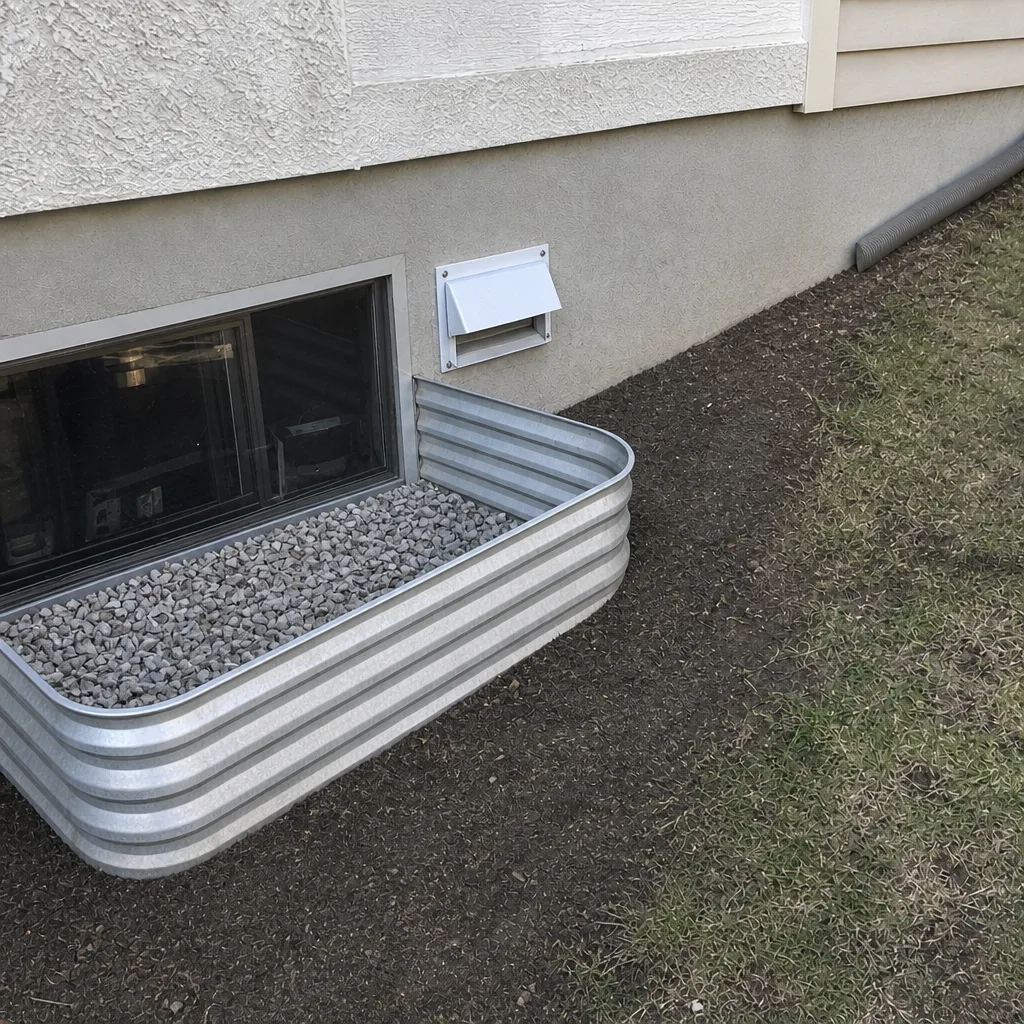 After
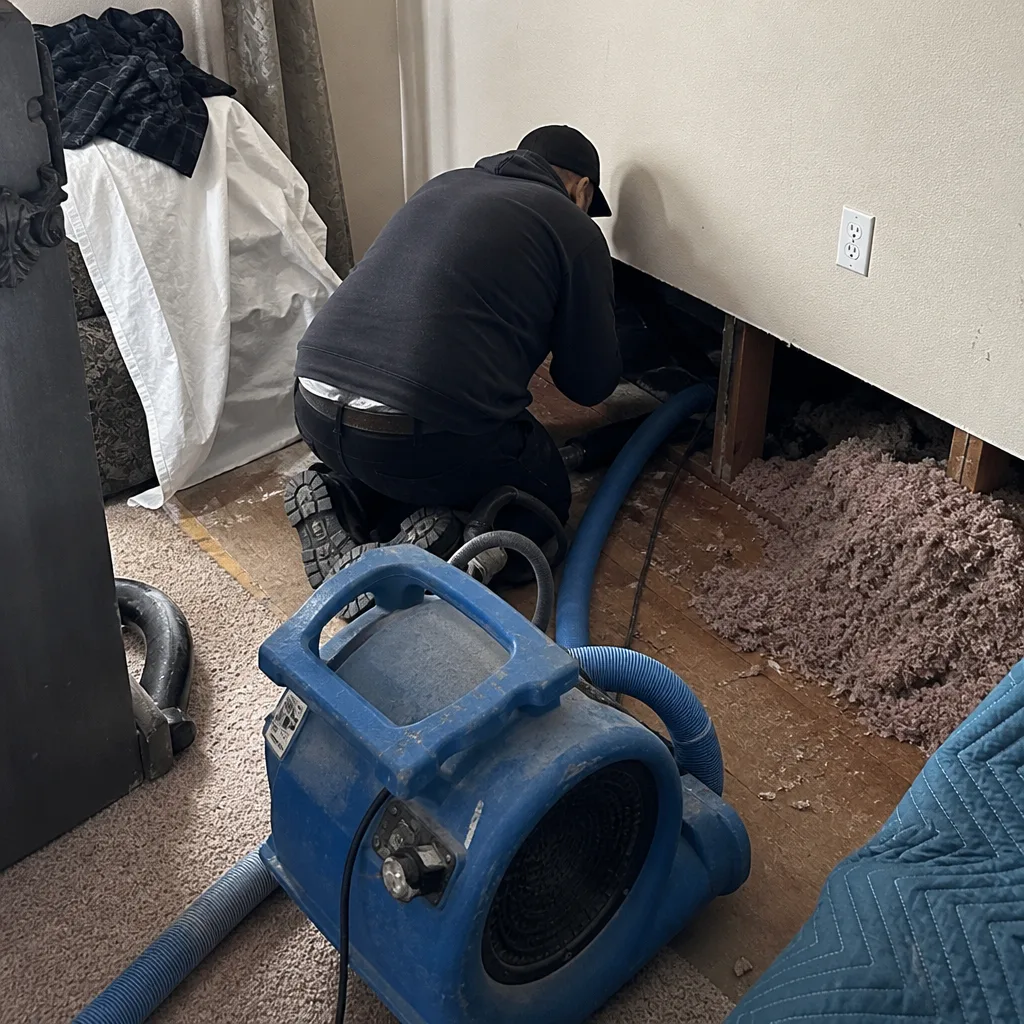 Before
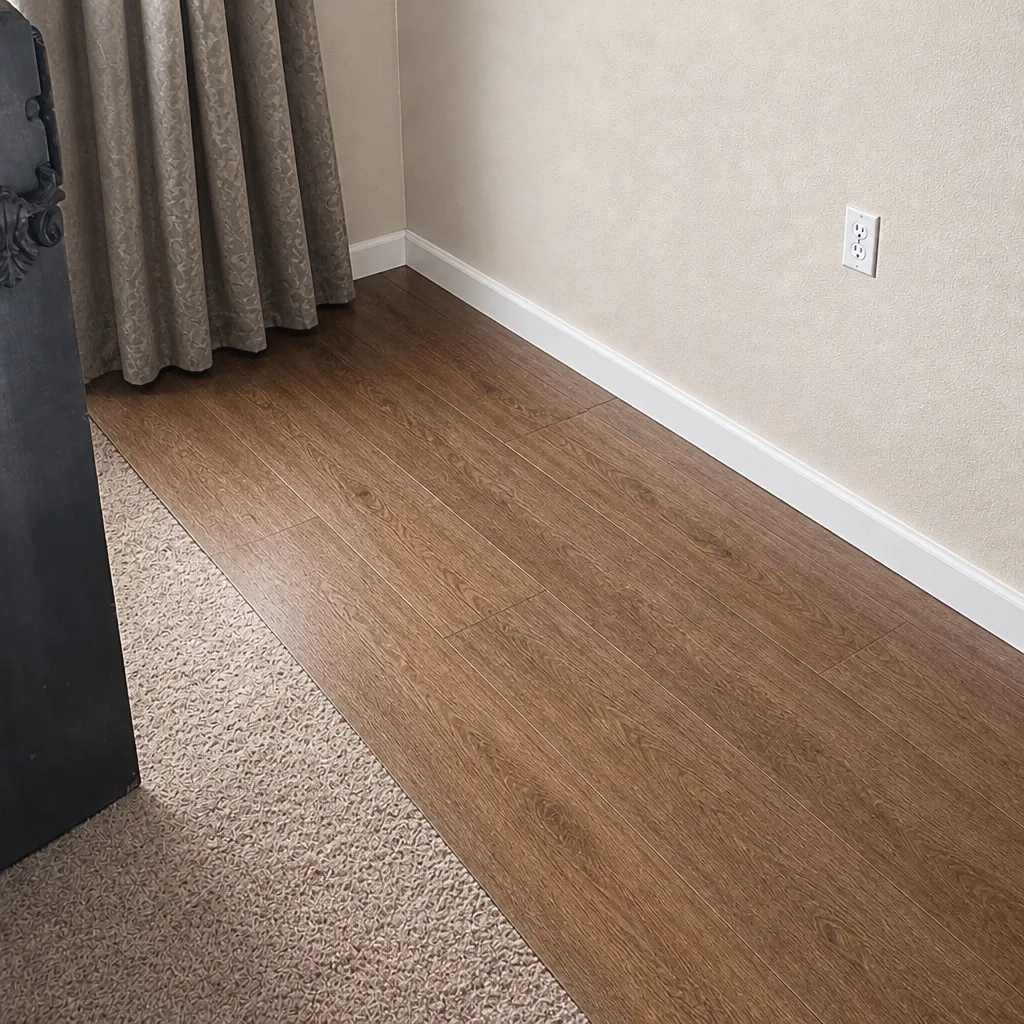 After
When to Call a Professional
Some duct problems belong to a shop-vac and a weekend. Most don’t. Call a professional when you’ve just finished a renovation or moved into a new build, when anyone in the home has worsening allergy or asthma symptoms with no outdoor explanation, when the HVAC system is noisy or air volume at registers is uneven, when you can see visible dust plumes from a register, when you suspect rodent activity or mold inside the ductwork, when your dryer takes two cycles to dry a load, or when the ducts haven’t been serviced in several years. These are the situations where full-system cleaning, HVAC cleaning, or duct sealing legitimately pays back. Lehi Air Duct Cleaning Pros offers free estimates in Lehi – call (855) 579-6778. We answer 24/7. Fast dispatch from 7am to 7pm, Sunday through Friday.
Frequently Asked Questions
For a typical single-family Lehi home, most full-system cleanings land between $400 and $650, with smaller townhomes starting around $300 and larger two-story or two-system homes running $700 to $850. The written estimate sets the final price, and any legitimate quote should be flat per system rather than per vent. Call (855) 579-6778 for an exact quote – estimates are free.
Cheap quotes almost always cover less work, not the same work at a lower margin. They skip return-side cleaning, register and boot washing, negative pressure containment, or the air handler, and they often upsell those as add-ons once the tech is on site. The cheap number in the ad isn’t a bargain if the invoice ends up higher. Call (855) 579-6778 to compare our flat-price quote against whatever you’ve been given.
Ask for before-and-after photos of your own ductwork, not stock images. A professional contractor will photograph the return trunk, the boots, and the air handler before and after cleaning. If the ductwork looks unchanged in the photos, it probably is. Call (855) 579-6778 and we’ll walk you through what we document on every job.
Every three to five years for most households, and more often if you have pets, allergy sufferers, recent renovations, or a home with ducts in a dusty attic environment. New construction often benefits from a first cleaning within the first two years, because drywall and construction debris stays in the system after move-in. Call (855) 579-6778 if you’re unsure where your home falls.
Not always, but often. If your ducts run through an attic or unconditioned space, sealing is worth pricing at the same time – cleaning a leaky system just lets the dust re-enter. If ducts are in conditioned space and joints are tight, sealing adds less value. Ask your contractor to quote cleaning alone and cleaning plus sealing so you can see the difference. Call (855) 579-6778 for a quote on both.
For many allergy sufferers, yes – cleaning reduces the reservoir of dust, pet dander, and pollen that gets pushed back into living space on every heating and cooling cycle. It works best when paired with proper filtration from a brand like Honeywell or Aprilaire and, if needed, sealing. Duct cleaning alone won’t fix an allergy issue, but it’s a sensible first step for a system that hasn’t been cleaned in several years. Call (855) 579-6778 to talk through what your home actually needs.
The Bottom Line
Duct cleaning pricing in Lehi isn’t actually mysterious – it just gets quoted opaquely. Push every estimate into itemized line items: supply, return, boots, containment, access cuts, sanitizing, and HVAC cleaning. Insist on flat-rate-per-system pricing over per-vent pricing, ask what equipment brand is used, and ask for before-and-after photos of your own ducts. The lowest headline number is almost never the lowest real price, and the highest number is only fair if it names what it’s covering. Compare like for like, and the right quote becomes obvious. If you’re ready to see a flat-price quote for your Lehi home, our team at Lehi Air Duct Cleaning Pros can quote the whole air pathway in one visit.
Contact Us for a Free Estimate
If you’re ready to compare duct cleaning quotes in Lehi on equal terms, call (855) 579-6778 for a free estimate. We answer 24/7. Fast dispatch from 7am to 7pm, Sunday through Friday. One call covers your entire air pathway – ducts, HVAC, dryer vent, repair and sealing, and sanitizing – so there’s no referral runaround and no surprise add-ons at the invoice.
Written by the team at Lehi Air Duct Cleaning Pros.