
Last updated November 25, 2026
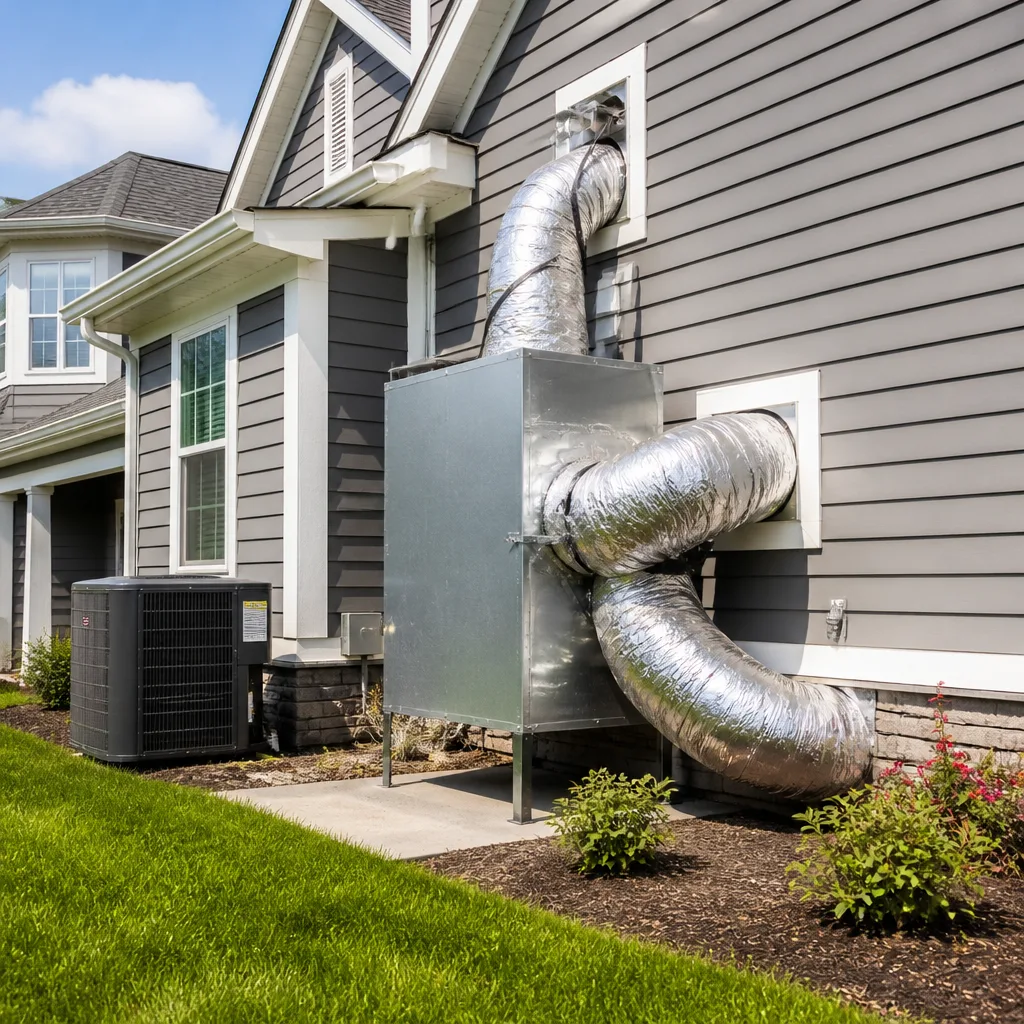 Whole-home duct cleaning
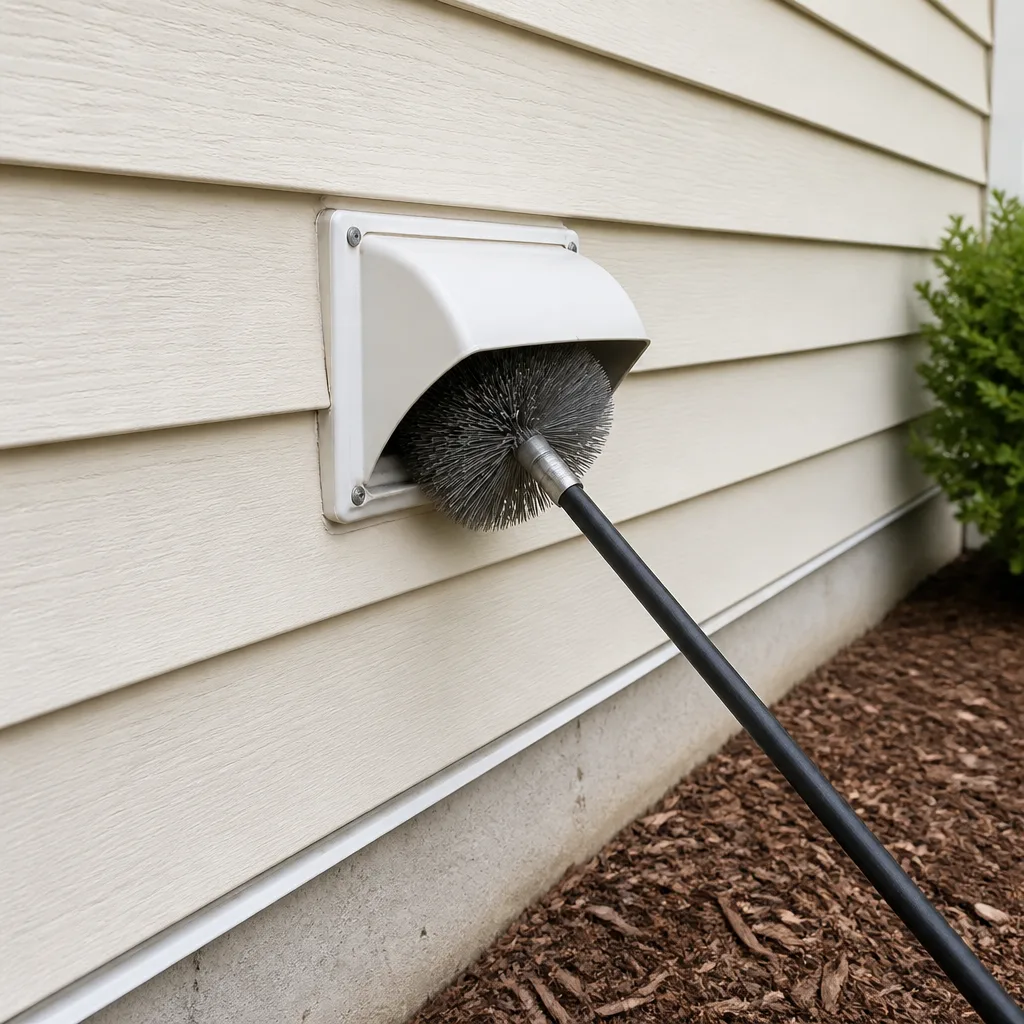 Dryer vent cleaning
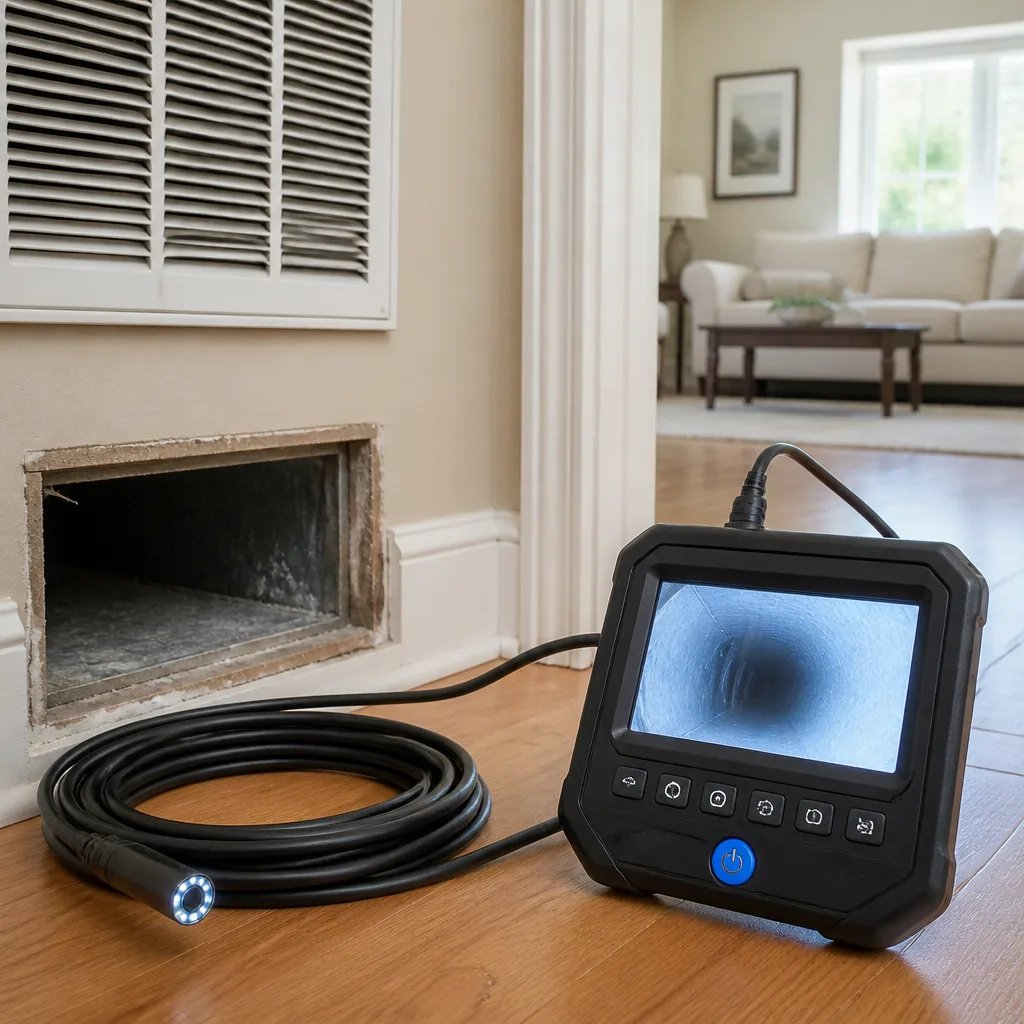 Camera inspection
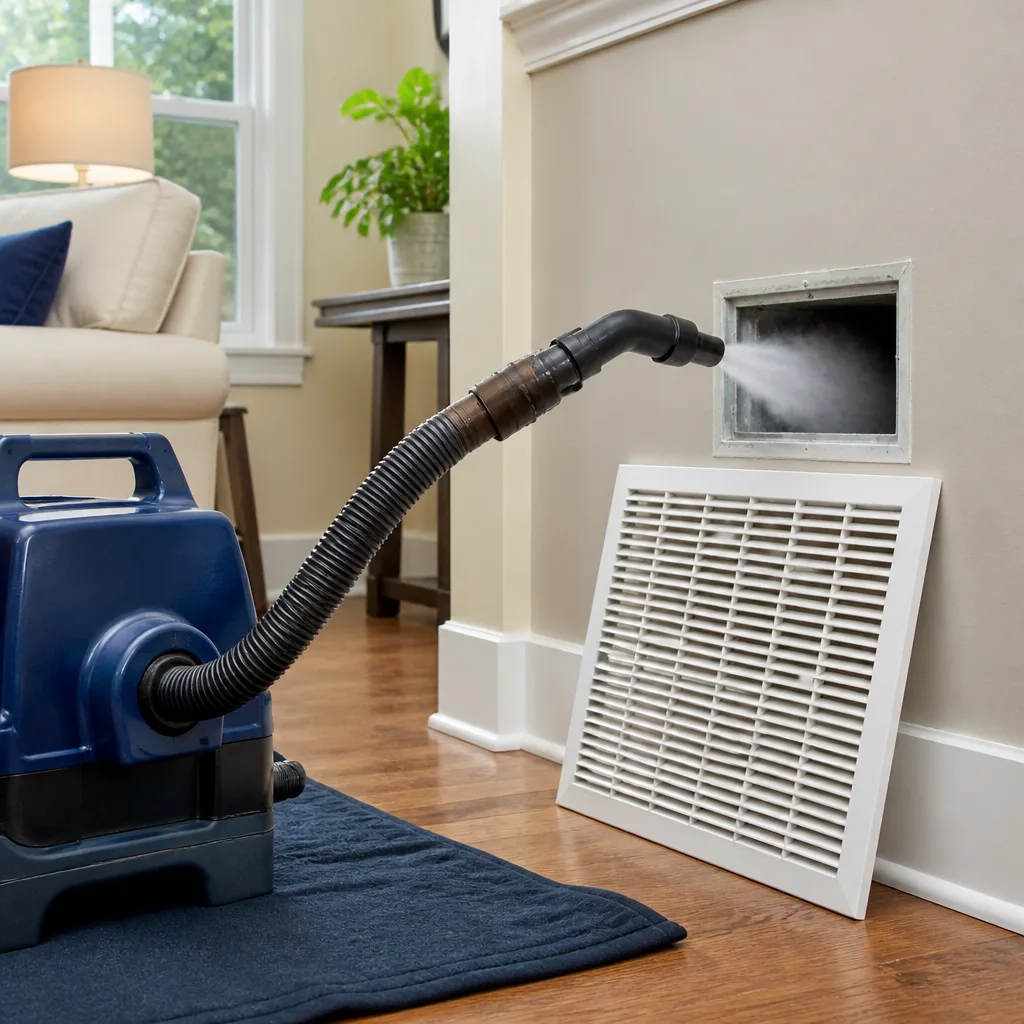 Sanitizing & deodorizing
Whole-system duct and dryer vent check with before-and-after photos - you see exactly what came out of your vents
That "$99 whole-house special" is a bait ad - the real number appears once they are in your hallway, or the "clean" is a shop-vac at the register. We photograph the inside of your ducts before and after instead.
Air Duct Cleaning Warning Signs: A Lehi Homeowner’s Reference Guide
Dust on your registers isn’t a warning sign. It’s a confirmation. By the time you can see dust settling on the supply vents, the contamination has been circulating through your home for weeks or months. The warning signs that actually matter show up earlier, and they show up in places most Lehi homeowners never think to look: the pace at which your filter loads, a room that never quite matches the thermostat, a door that swings on its own, a smell you can’t quite place. This guide covers those early indicators, how to read them, and what each one tells you about the health of your duct system. Our technicians have up to 15 years of experience reading exactly these signals, and we’ve written this reference so you can read them too.
Quick Answer
The most reliable early warning signs of ductwork problems in a Lehi home are pressure imbalance symptoms (rooms that won’t hold temperature, doors that move on their own), filters that load faster than three weeks, unexplained jumps in your utility bill, and odors that return after cleaning. Visible dust is a late-stage sign, not an early one. If any of these appear together, it’s worth having the system inspected and cleaned.
Styles & brands we work with
- Whole-home duct cleaning
- Dryer vent cleaning
- Camera inspection
- Sanitizing & deodorizing
Table of Contents
- Pressure Imbalance: The Symptom Most Homeowners Miss
- Your Filter Loading Rate Is a Diagnostic Tool
- The Odor Profile: Mold, Dust, and Rodent Activity
- Reading Your Utility Bill as a Duct-Health Indicator
- Warning Signs Unique to Lehi’s New-Construction Housing
- How Lehi’s Climate and Housing Stock Shape Duct Problems
- A 7-Step Walkthrough to Check Your Own System
- When Contamination Means Cleaning, Repair, or Sealing
Pressure Imbalance: The Symptom Most Homeowners Miss
A duct system is a pressure system. Supply ducts push conditioned air out; return ducts pull it back. When that push and pull fall out of balance, the house tells you, just not in words.
The clearest sign is a room that won’t hold temperature. It’s warm in summer while the rest of the house is fine. In winter it stays cool no matter how high you set the thermostat. Lehi homes with long east-west runs and rooms at the end of the trunk line are especially prone to this. When we test a system and find this pattern, it usually traces to one of two causes: a leak pulling conditioned air into an attic or crawlspace, or a blockage (crushed flex duct, disconnected boot, collapsed run) choking the flow to that room.
Doors that move on their own when the system cycles are another pressure signal. A door in a tight house that swings or pulls shut when the blower starts means the return path is starved. The system is pulling more air than the returns can supply, and the house acts as a bypass. That imbalance isn’t cosmetic. It forces the blower to work harder, distorts temperature across rooms, and pulls unconditioned air (and whatever dust and insulation particles come with it) into the living space.
What to watch for:
- A room that’s consistently 3-6 degrees off from the rest of the house
- Doors that swing, latch loosely, or resist closing when the HVAC runs
- Registers with noticeably weaker airflow than others on the same system
- Whistling, whooshing, or humming at vents or door edges
- A return grille that pulls noticeably harder than its supply counterpart
These pressure symptoms point to duct leakage or blockage, and both are addressable. Cleaning handles contamination; air duct cleaning combined with repair and sealing handles the root cause. Our team works with Lehi Air Duct Cleaning Pros service standards, which include checking for leaks and disconnected runs before cleaning is scheduled, because cleaning a leaking system just re-contaminates it faster.
Your Filter Loading Rate Is a Diagnostic Tool
Most homeowners treat filter changes as a chore and think about them rarely. The rate at which a filter loads is one of the most useful early warning signs in the whole system, and it costs nothing to monitor.
Here’s the reference point. A typical MERV-8 filter in a reasonably healthy system loads over roughly six to eight weeks depending on household activity, pets, and how often the system runs. If your filter is visibly gray and pulling in heavy dust within two to three weeks, that’s a diagnostic flag. It means either a lot of particulate is entering the system from the return side, or the ductwork is holding a reservoir of debris that’s being re-suspended every time the blower runs.
What different filter loading patterns suggest:
- Loading in under three weeks: return-side infiltration, unsealed return boots, or a dirty plenum re-suspending debris
- Loading unevenly on one side: a return that’s pulling harder than the others, often a pressure imbalance issue
- Loading normally but rooms still dusty: supply-side contamination or register boots leaking into wall cavities
- Filter damp, dark, or smelling musty: moisture in the system, treat immediately as a mold concern
Keep a small log for two filter cycles: date installed, date visibly loaded, and any notes on household changes (pets, renovation, new carpet). That log tells a technician more than any single inspection can. If your filter loads fast twice in a row, that pattern is your early warning sign. It’s the same pattern we look for when we assess a home before scheduling an HVAC cleaning visit.
The Odor Profile: Mold, Dust, and Rodent Activity
Smell is often the earliest signal because it reaches you before the visible symptoms do. The critical skill is telling the three most common odor profiles apart, because each one calls for a different response.
Mold: musty, earthy, wet
Mold smells like a damp basement or old concrete. It’s persistent, gets stronger when the system runs, and returns quickly after a cleaning if the moisture source isn’t addressed. In Lehi, the moisture source is often a humidifier in the supply plenum, a condensate pan that drips, or a duct run passing through a damp crawlspace. Cleaning addresses the mold; fixing the source keeps it from returning. A whole-home humidity solution, like the Aprilaire products we work with, can help steady the moisture level that mold needs.
Dust: dry, stale, flat
Dust odor is an old-library smell, dry and stale. It appears when you first turn the system on for the season and fades after a few minutes. That’s a reservoir in the ductwork being kicked up by the initial airflow. Cleaning handles this directly, and professional rotary-brush and vacuum equipment from Rotobrush and Nikro agitates and extracts the reservoir rather than stirring it up.
Rodent activity: acrid, ammonia-like, animal
Rodent odor is sharper and more animal, often with an ammonia edge. It comes with signs you can check for: droppings near the furnace or plenum, chewed duct insulation, greasy rub marks along joists. This is a contamination issue that calls for cleaning and sanitizing, plus a conversation about how the animals are getting in. A Guardsman treatment applied after cleaning can help protect surfaces, but it’s not a substitute for sealing the entry points.
Whichever odor you’re noticing, the response starts the same way: identify which profile you’re smelling and tell your technician what you noticed and when. That single detail guides the whole service plan.
Reading Your Utility Bill as a Duct-Health Indicator
Your utility bill is a running record of system efficiency, and it’s one of the few duct-health signals you can track over months rather than moments. The trick is reading it correctly.
Year-over-year comparison matters more than month-over-month, because Lehi’s seasons swing hard and heating and cooling costs naturally move with them. Pull the same month from the last two or three years and compare. Bill moving up a little with rates is normal. A jump of 15% or more in efficiency that doesn’t match a rate hike, a new appliance, a change in household size, or a particularly hot or cold season is worth investigating. In our experience, a sustained efficiency drop of that size most often points to duct leakage (conditioned air escaping into attic or crawlspace), a disconnected or crushed run forcing the blower to work harder, or a filter that’s been loading too fast because the system is recirculating its own debris.
How to use this diagnostic:
- Pull the same utility bill month for the last two to three years.
- Adjust for rate changes by comparing cost per unit (per kWh or per therm), not the total dollar figure.
- Flag any efficiency drop of 15% or more that has no other explanation.
- Cross-reference with your filter log and any temperature imbalance you’ve noticed.
- If two or more signs stack up, schedule an inspection.
A single elevated bill isn’t a diagnosis. A pattern of elevated bills that tracks with fast filter loading and one stubborn room is the combination that points to ductwork as the cause. That pattern is rare in a well-maintained home, which is exactly why it’s worth flagging.
Warning Signs Unique to Lehi’s New-Construction Housing
Lehi has added housing fast, and newer homes have their own duct warning signs. The construction process itself is often the source.
Construction debris in the system
Ductwork installed early in a build sees the whole finish phase: drywall dust, sawdust, insulation fibers, and the occasional drywall screw or offcut. If a system was run during construction before the returns were sealed, some of that debris found its way into the plenum and runs. The sign is a new home where the filter loads unusually fast in the first year, or where supply registers kick out fine dust after each blower cycle. A first-year duct cleaning on new construction isn’t unusual; it’s often the right call.
Foil-flex duct sag
Foil-flex is common in modern Utah builds because it’s fast to install. It’s also easy to install badly: sagging runs, over-sharp bends, or flex pressed tight against joists. Look in the attic for runs that droop or pinch. A sagging run reduces air velocity, and low velocity is where dust settles. Those same runs are the ones that eventually cause the cold-room symptom we covered earlier.
Unsealed boot connections
Where a duct run meets a floor or wall register, the connection is called a boot. In new construction, boot connections are sometimes left without mastic or tape. A gap at the boot leaks conditioned air into a wall cavity or attic, drafts dust, and drains efficiency. The warning sign is a register that seems to blow less than it should and a wall or floor area near it that’s unusually dusty.
Homes in the Traverse Mountain, Holbrook Farms, and Dry Creek areas, built through the last several growth waves, share many of these characteristics. That’s not a knock on the builders. It’s a reality of fast construction, and it’s why duct repair and sealing alongside cleaning is such a common combination on newer Lehi homes.
How Lehi’s Climate and Housing Stock Shape Duct Problems
Lehi’s climate stresses a duct system in two very different directions across the year. Summers in the valley are dry and hot, and systems run hard and long, which means any debris reservoir is stirred continuously. Winters bring cold nights and temperature swings with the valley cold pooling against the mountains, which means the furnace cycles hard too. The result is that a duct system here runs a lot of hours and has plenty of opportunity to distribute whatever contamination it’s carrying.
Winter dryness adds a wrinkle. Indoor relative humidity drops through the heating season, dust hangs in the air longer, and static build-up on dust is common. Homeowners add humidification to fixed the dryness, and if that humidifier feeds into the supply plenum, it can create the moisture conditions mold needs. A whole-home humidity solution, like the Aprilaire and Honeywell controls we work with, does more than a portable unit, and it can be set up during the same visit as cleaning.
High-desert particulate also settles on the home more consistently than in wetter climates, and that load enters through return-side leaks and open boots. The spring pollen season in Utah County adds another layer of material to capture. Nothing about this is a crisis. It’s just the operating environment, and it’s exactly why reading the warning signs matters more here than in a milder climate.
The practical takeaway: don’t compare your duct health against a national average. Compare against your own pattern. A Lehi home that runs its HVAC consistently and loads filters fast is telling you something a homeowner in a milder climate wouldn’t hear.
A 7-Step Walkthrough to Check Your Own System
You don’t need professional equipment to do a first-pass inspection. This walkthrough takes about 20 minutes.
- Check filter loading. Note how long since the last change and how loaded it is now. Compare against the six-to-eight-week reference point. If you’re at two to three weeks and it’s already gray, flag it.
- Walk the rooms with the system running. Put a hand in front of each supply register. Note any that blow noticeably weaker, or any that blast while others are weak. Uneven flow is a pressure sign.
- Test doors in tight rooms. Stand near a door in a bedroom or bathroom with the system running. If it swings, pulls, or resists closing, note which room.
- Smell the registers. Turn the system on after a period off and breathe in near a supply register. Note whether the smell is musty, dry-stale, or animal. That’s your odor profile.
- Look in the attic (or hire someone to). Check for disconnected or clearly sagging flex runs, visible gaps at boots, droppings, or chewed insulation. Don’t disturb anything; just look.
- Pull your utility bills. Compare the same months across two to three years and look for an efficiency drop that matches no other explanation.
- Review the whole picture. Any two signs together (fast filter loading plus a stubborn room, musty odor plus a humidifier, efficiency drop plus attic gap) justify a professional inspection. One sign alone may resolve with a filter change and some patience.
Write down what you find. A short list carried to a technician is more useful than “something feels off.”
When Contamination Means Cleaning, Repair, or Sealing
Not every warning sign means the same fix. The right response depends on what the sign points to.
Cleaning
Cleaning is the right call when the system is holding a debris reservoir: fast filter loading, dust kicked out at season start, visible debris at the plenum. Professional air duct cleaning uses rotary-brush and high-powered vacuum equipment to agitate and extract the material rather than blow it around. In our work, that means Rotobrush and Nikro systems, plus Abatement Technologies filtration running during the job to keep the home air clean while we work.
Repair and sealing
Repair and sealing is the right call when the warning signs point to leakage, disconnection, or pressure imbalance: the cold room, the door that swings, efficiency drops with no other cause. Clean ducts are the start; sealed ducts are the finish. If a system has gaps and disconnections, cleaning it without sealing leaves the same problem in place.
Sanitizing
Sanitizing is right when the odor profile points to mold or rodent activity after the material has been removed. A Guardsman treatment can provide post-cleaning surface protection as part of that process.
HVAC cleaning
HVAC cleaning rounds out the picture when the blower, plenum, or coils are part of the contamination path. That’s a scheduled service, and it’s usually done alongside duct cleaning so the whole pathway is addressed in one visit.
Dryer vent cleaning
The laundry room shares warning signs with the HVAC system: longer dry cycles, a hot dryer exterior, lint accumulating at the vent exterior. Dryer vent cleaning is a separate service but often scheduled the same week, because it’s part of the same air pathway thinking.
Common Mistakes to Avoid
- Treating visible register dust as the first sign. It’s a late-stage confirmation, not an early warning. The early warning came weeks earlier in filter loading and room temperature imbalance. If you’re already seeing dust, the reservoir is established.
- Changing filters more often without asking why. A MERV-8 filter loading in under three weeks means something is loading it. Change the filter, but also note the rate and flag it. Frequent filter replacement without diagnosis just masks the pattern.
- Skipping the attic look. Two minutes of visual inspection in the attic (sagging flex, boot gaps, droppings) answers more than a dozen thermostat readings. Nobody loves going up there, but it’s the highest-value check you can do.
- Comparing your bill to a neighbor’s. Neighbors have different homes, system ages, and habits. Compare your bill to your own same-month history. That’s the only useful baseline.
- Cleaning without sealing. If your system has boot gaps or disconnected runs, cleaning it without addressing those means the problem returns. Sealing is what protects the investment.
- Ignoring the smell because “it goes away.” The smell going away when the blower cycles doesn’t mean the source is gone. It means it’s settled. A musty odor that returns each time the system starts is telling you where to look.
- Buying humidification before checking duct health. A whole-home humidifier solves dryness but can create moisture conditions that feed mold if the system holds debris. Fix the duct health first, then dial humidity.
See the difference
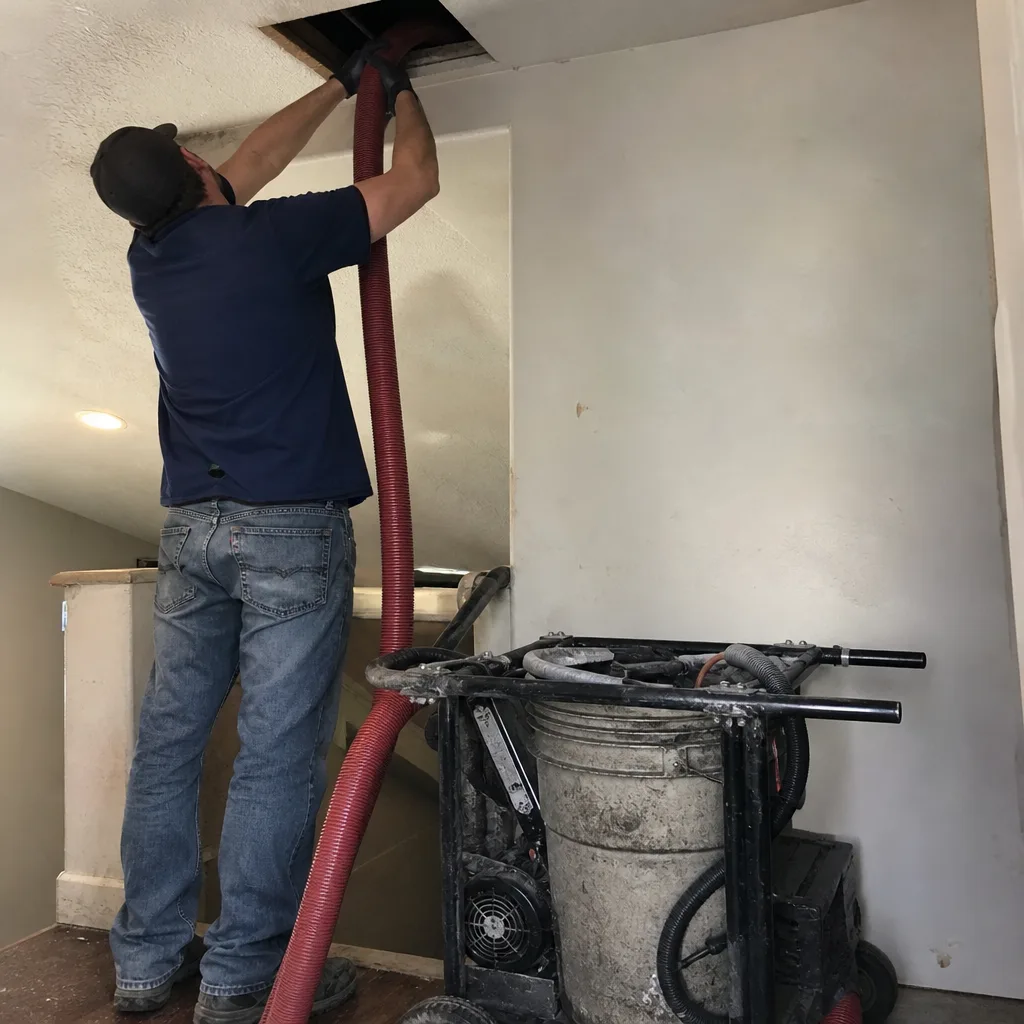 Before
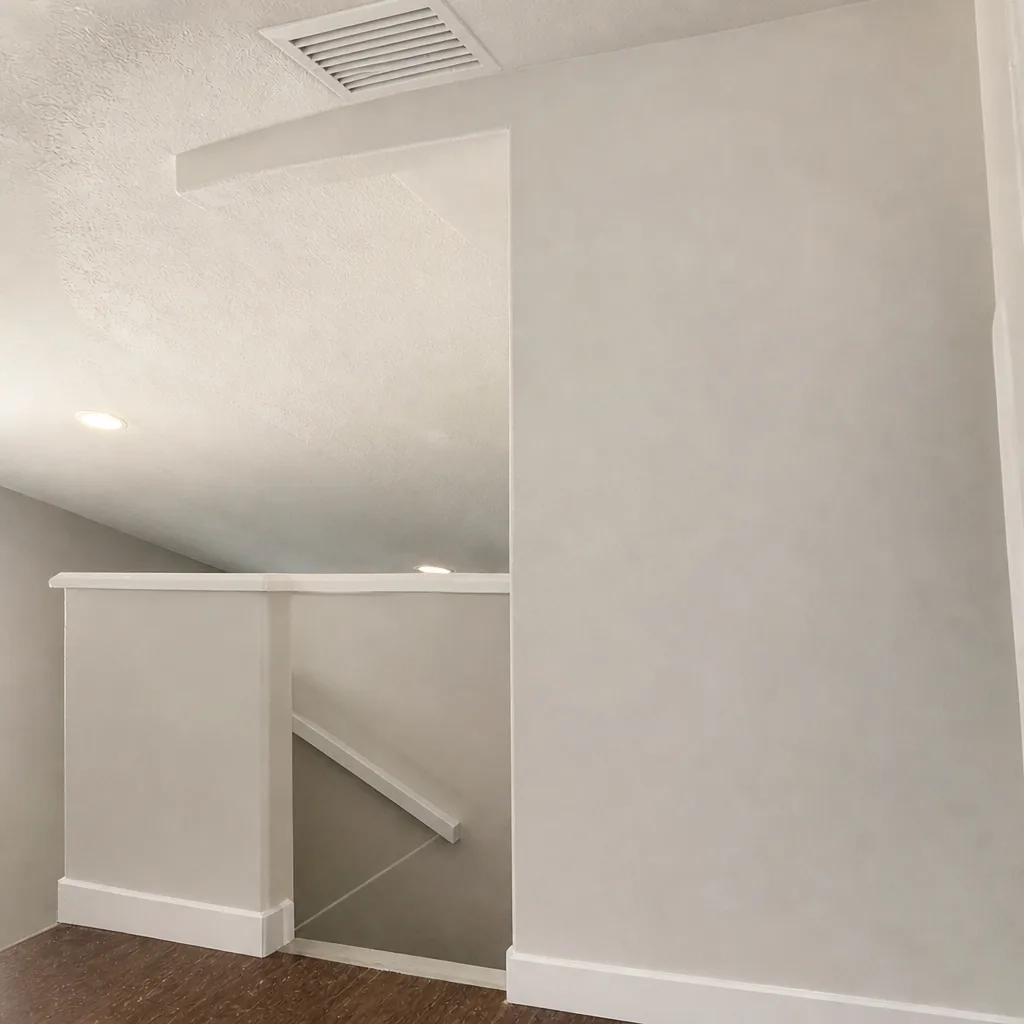 After
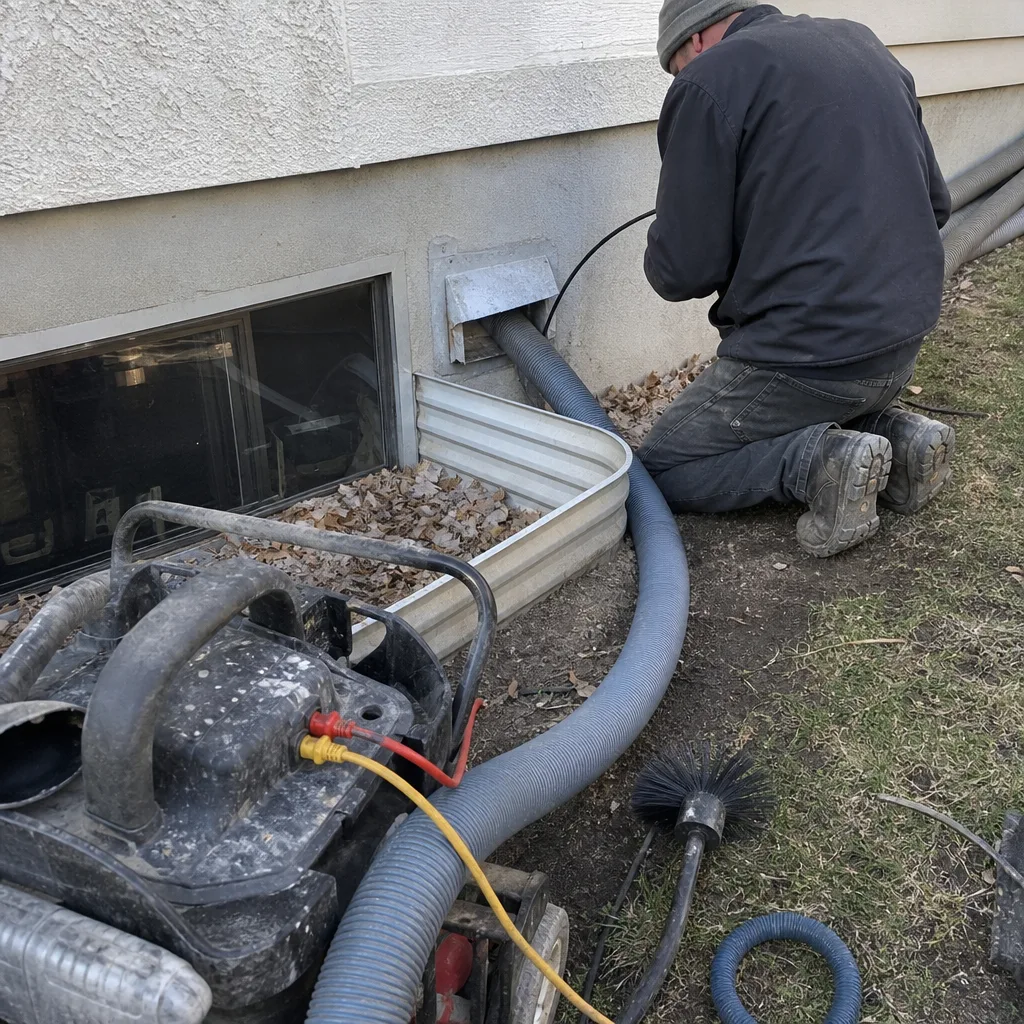 Before
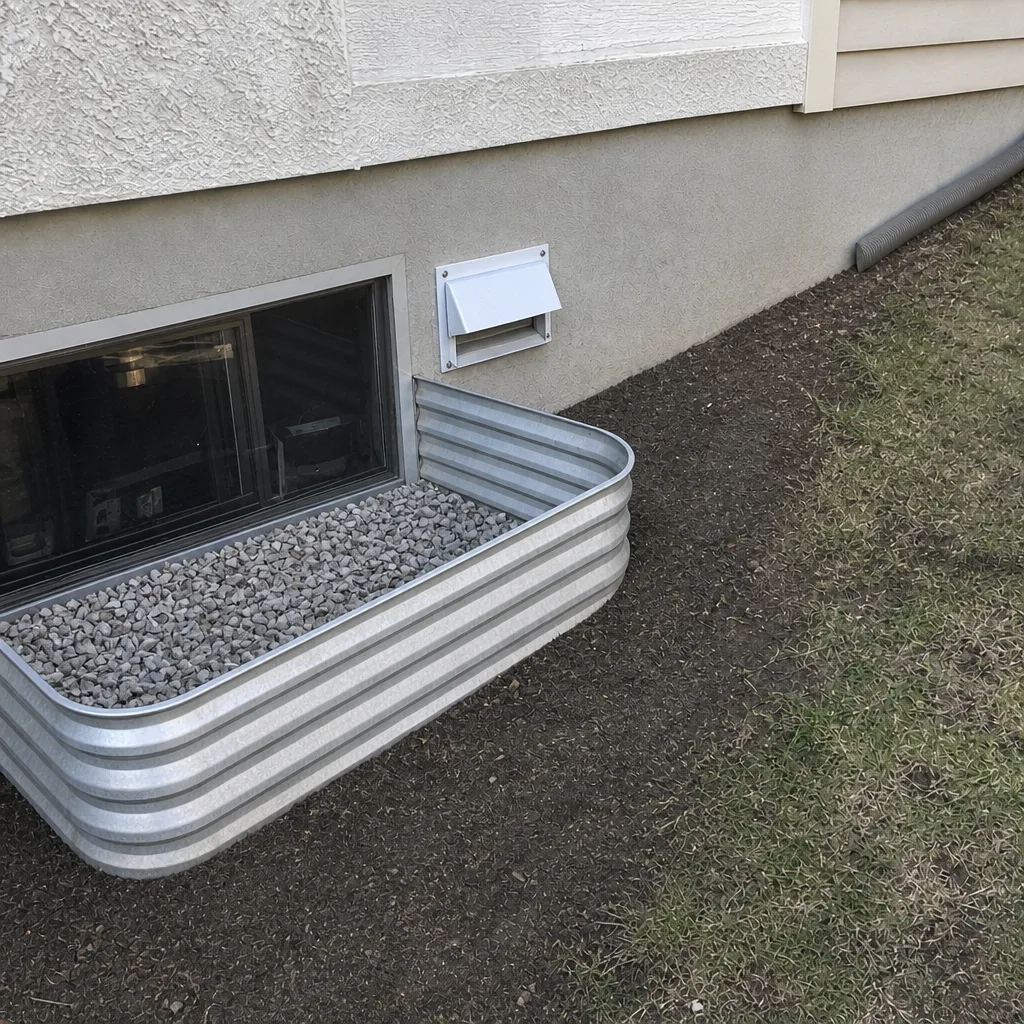 After
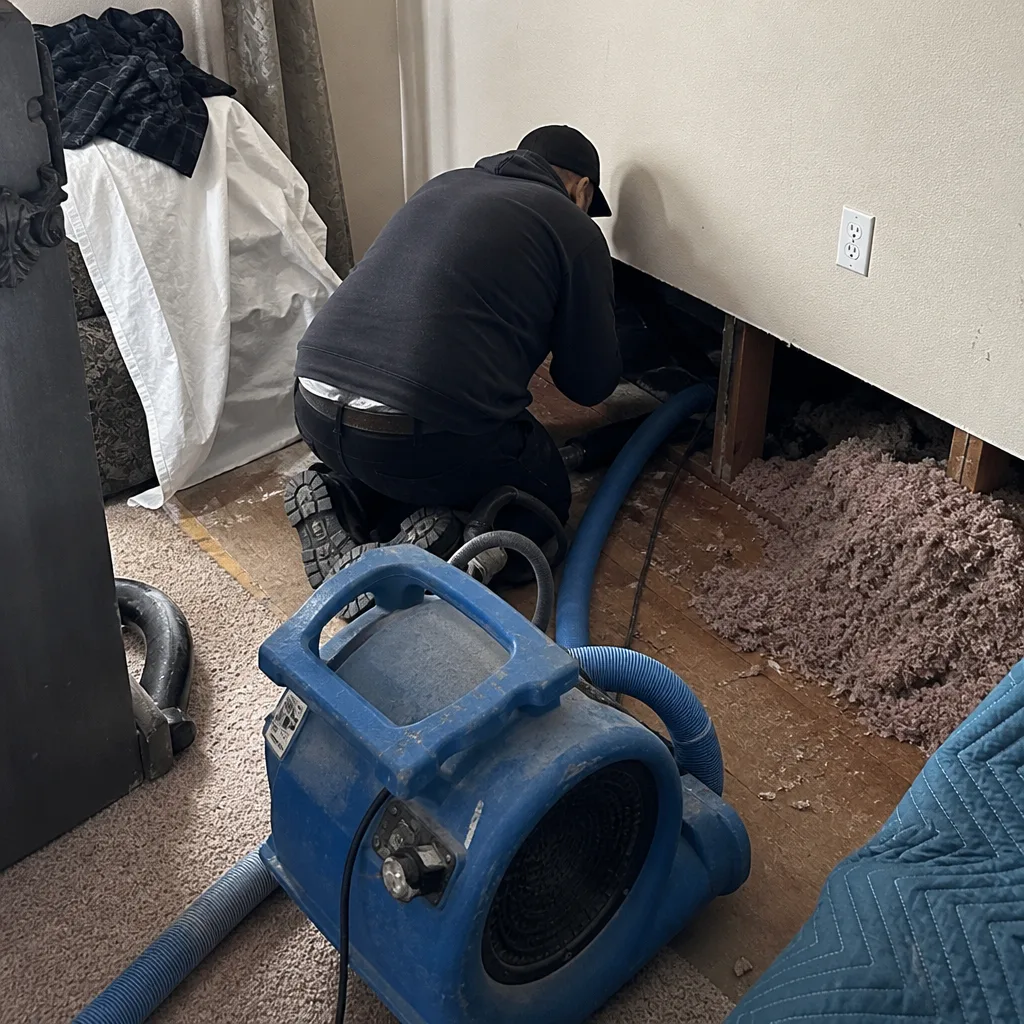 Before
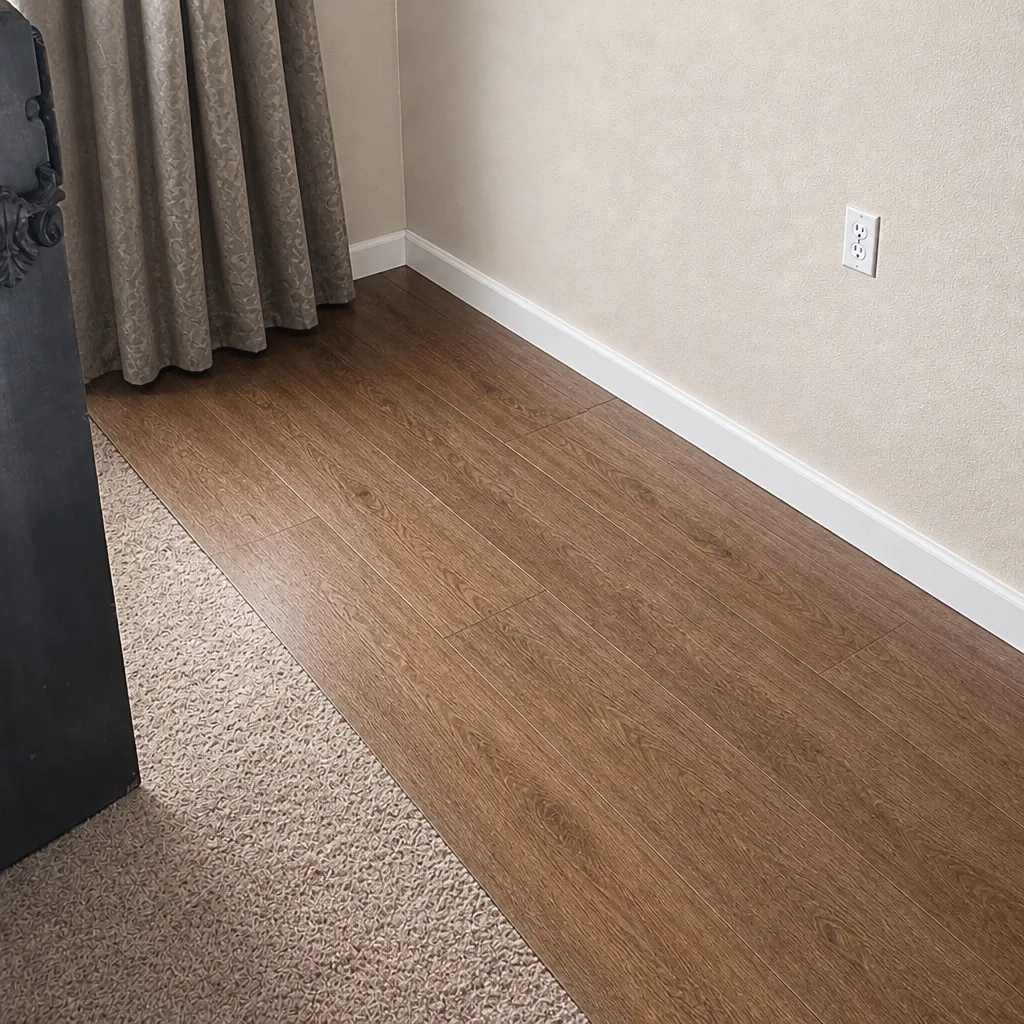 After
When to Call a Professional
Call a professional when any two early warning signs show up together: fast filter loading plus a room that won’t hold temperature, a musty odor plus a visible attic gap, an efficiency drop plus uneven airflow. Also call if visible debris is coming out of supply registers, if you find rodent droppings near the furnace, or if the system hasn’t had duct service in several years and the filter loading has accelerated. DIY cleaning with a shop vac doesn’t reach the plenum or the run interiors, and it can stir up contamination that ends up in the living space. Our team works with contractor-grade equipment and containment filtration on every job, which makes the difference on a home you actually live in. Lehi Air Duct Cleaning Pros offers free estimates in Lehi. Call (855) 579-6778. We answer 24/7. Fast dispatch from 7am to 7pm, Sunday through Friday.
Frequently Asked Questions
Whole-system duct cleaning in the Lehi market typically runs in the range you’d expect for a professional residential job with containment equipment, a range we can’t hand you over the phone because it depends on the size of the home and number of systems. The written estimate sets the final price, per system, before any work starts. There is no per-vent pricing and no coupon price that changes once a technician is on site. Call (855) 579-6778 for an exact quote. Estimates are free.
Cheap duct cleaning quotes usually reflect equipment grade: consumer-grade vacuums, no rotary-brush agitation, and no containment filtration. That means material gets stirred up and recirculated instead of extracted. A low quote that turns into a larger invoice once the technician arrives is the most common complaint in this trade. We price per system with a written estimate agreed before work starts, and we photograph the ducts before and after so you can see what was removed. Call (855) 579-6778 to get an exact quote. Estimates are free.
Ask for before-and-after photographs of your own ducts and system. Any provider doing real cleaning can show you what came out and what the system looks like afterward. If photos aren’t offered, ask. If the answer is vague, that’s your answer. Call (855) 579-6778 to see how our process documents the work. Estimates are free.
The generally accepted interval is every three to five years for a typical home, but Lehi’s dry, dusty climate and long HVAC runtimes can push that toward the shorter end. The better guide is your own warning signs: fast filter loading, a stubborn room, a returning odor. If those appear before the interval is up, schedule the service. Call (855) 579-6778 to talk through your situation. Estimates are free.
It’s usually one of the two, and telling the difference takes a look at the system, not a filter change. Fast loading from the return side is often duct-related (leaks, gaps at boots), while loading from the supply side is often the plenum or blower. If your filter loads in under three weeks twice in a row, it’s worth a professional look at both. Call (855) 579-6778 to book an inspection. Estimates are free.
New construction in Lehi sees a lot of drywall dust and debris in the ductwork, and a musty smell in a newer home often points to moisture, not just debris. Start by checking whether there’s a humidifier on the system, or a duct run through a damp crawlspace. Then have the system looked at. Cleaning handles the debris; sealing handles the gap; a moisture fix handles the source. Call (855) 579-6778 to schedule an inspection. Estimates are free.
The Bottom Line
The warning signs that matter most in a Lehi home don’t announce themselves with visible dust. They show up as a filter that loads in under three weeks, a room that won’t hold temperature, a door that swings when the blower runs, an efficiency drop on the utility bill that no rate hike explains, and an odor that returns every time the system starts. Read together, those signs tell you what’s happening inside the ductwork before anything is visible on the register. Cleaning is the start; sealing and repair are the finish. If two or more signs have stacked up, get an inspection. The estimate is free and the written estimate sets the final price.
Call (855) 579-6778. We answer 24/7. Fast dispatch from 7am to 7pm, Sunday through Friday. Closed Saturday.
Written by the team at Lehi Air Duct Cleaning Pros.