
Last updated November 25, 2026
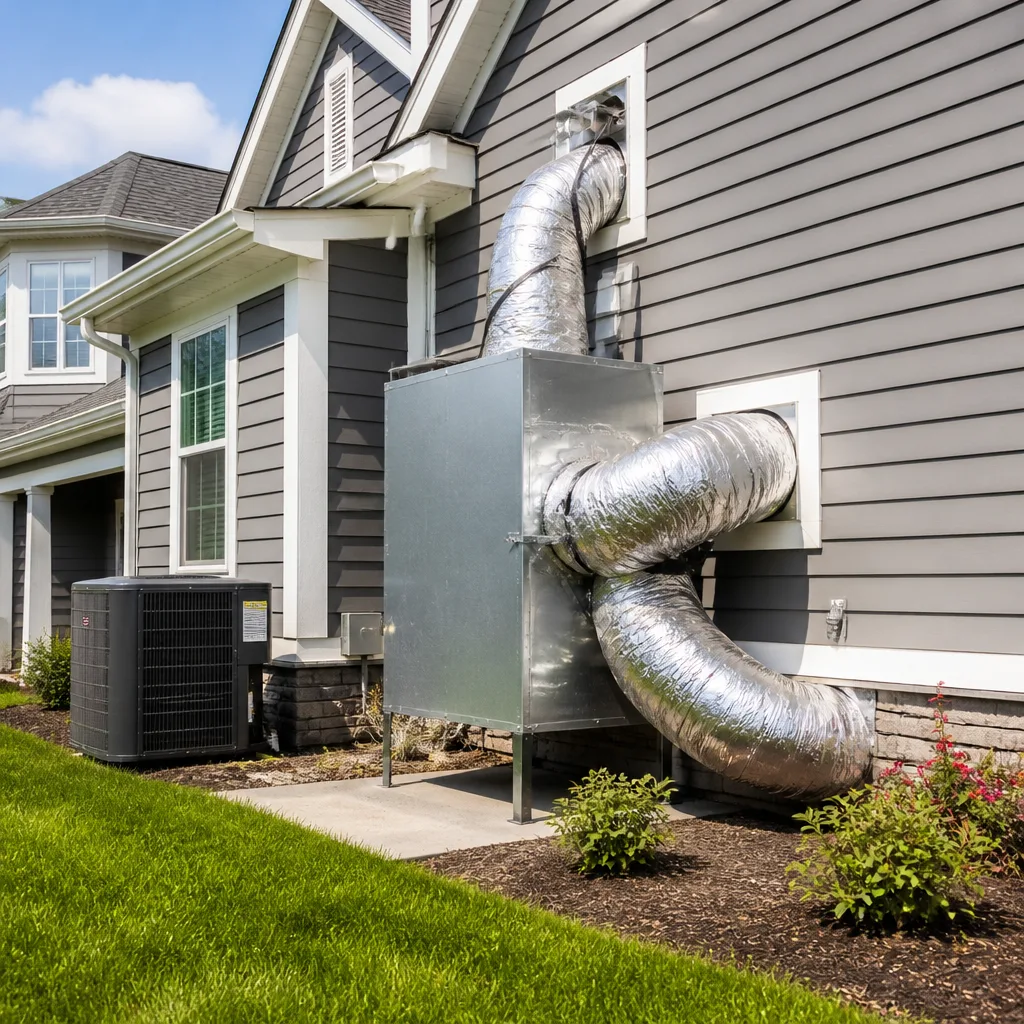 Whole-home duct cleaning
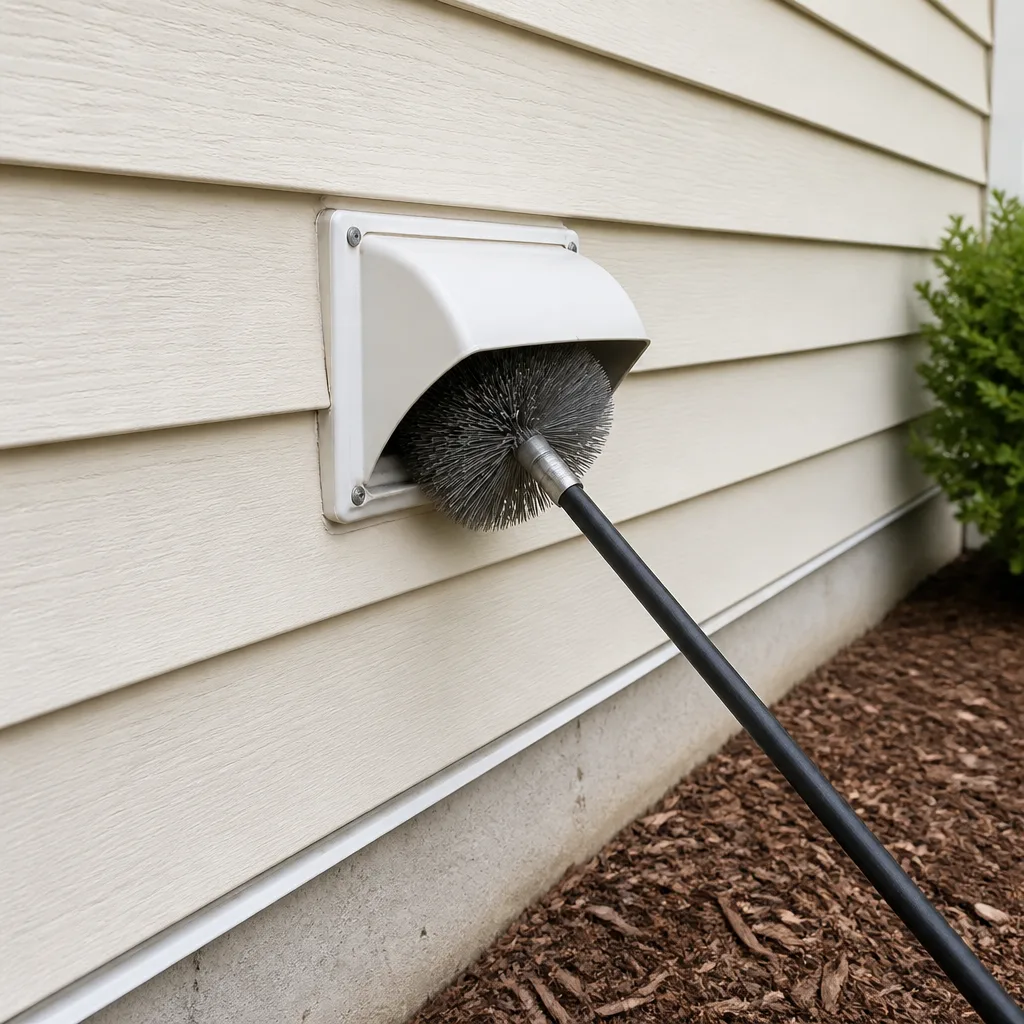 Dryer vent cleaning
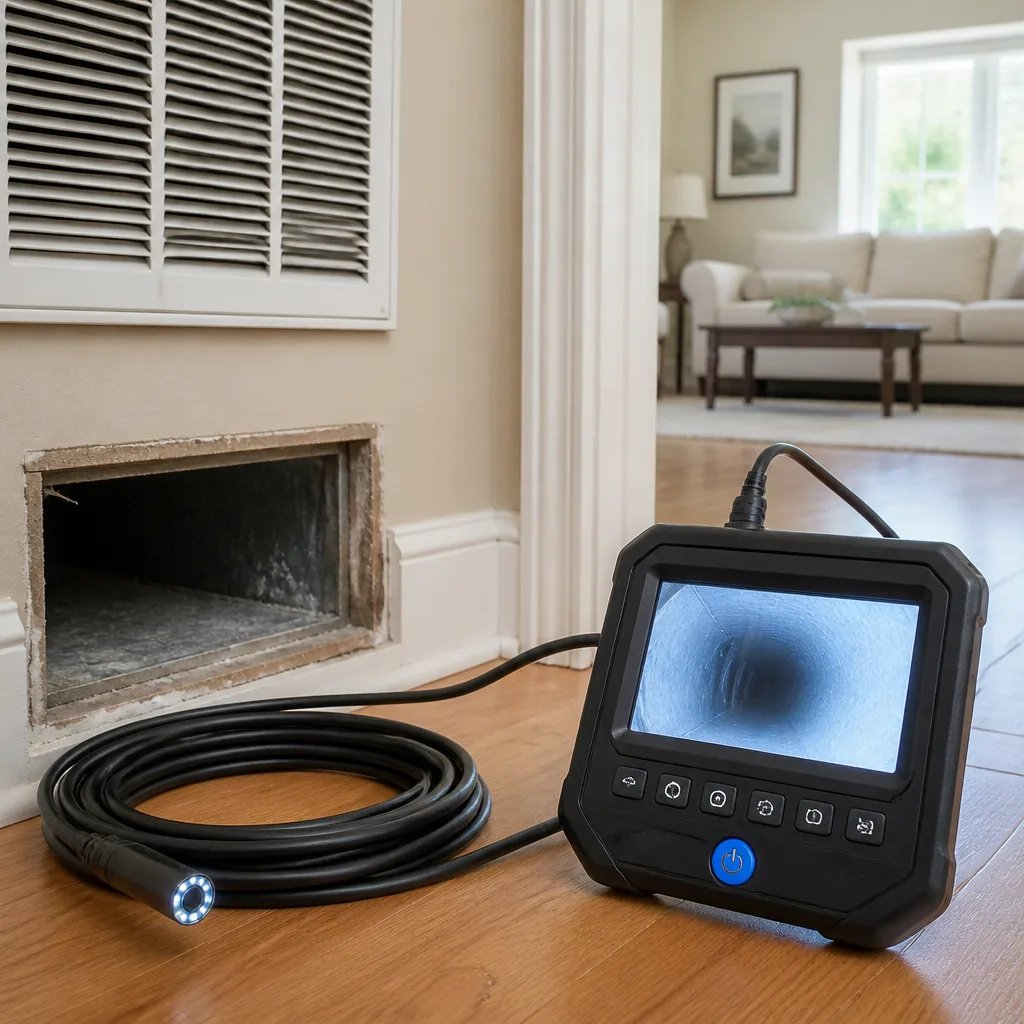 Camera inspection
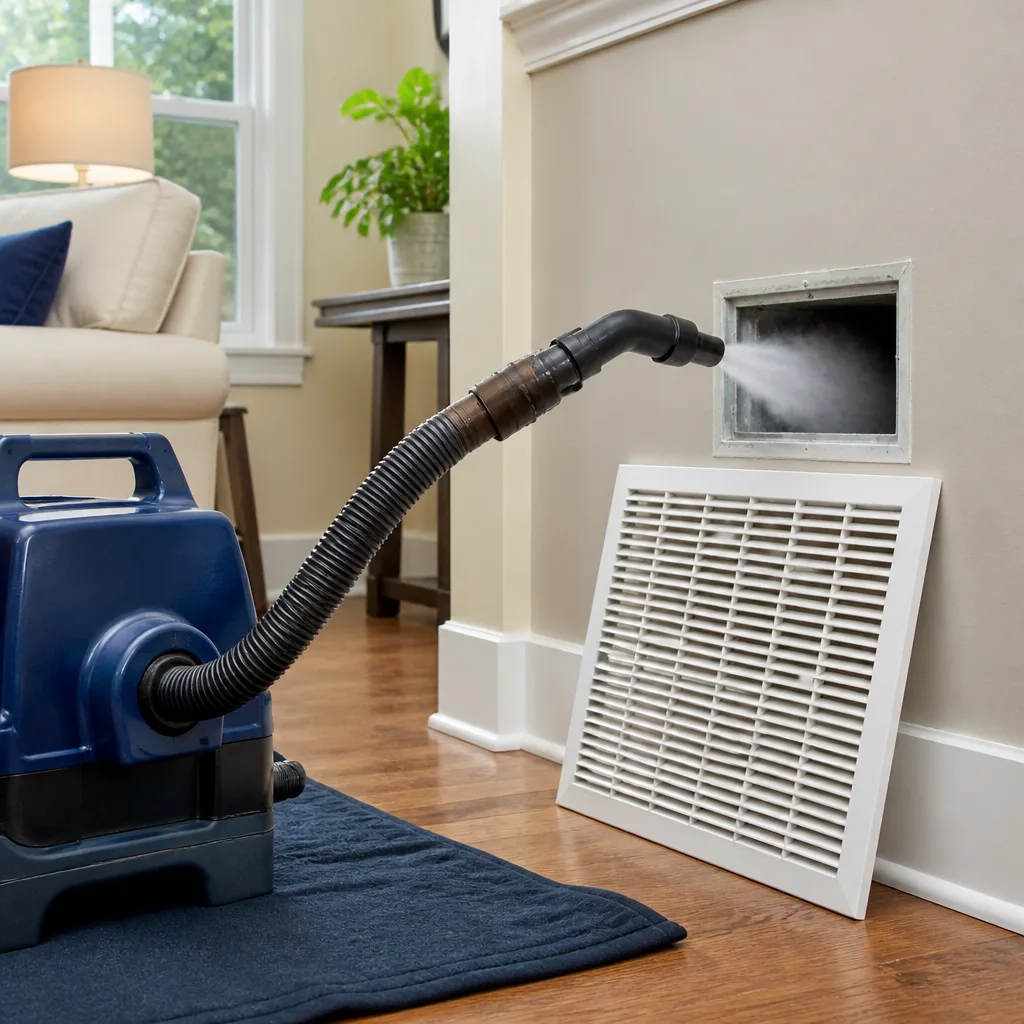 Sanitizing & deodorizing
Whole-system duct and dryer vent check with before-and-after photos - you see exactly what came out of your vents
That "$99 whole-house special" is a bait ad - the real number appears once they are in your hallway, or the "clean" is a shop-vac at the register. We photograph the inside of your ducts before and after instead.
Air Duct Cleaning Emergency Preparedness Guide for Lehi Homes
Most people only think about their ductwork when the furnace quits or the house smells musty. But in Lehi, the air pathway already ran in the background the day a smoke plume came over the ridge. Whatever the event, the duct system was working. The same channels that move conditioned air through your home also move fine particulate: wildfire smoke, drywall dust from a neighboring build, or moisture from a flooded crawlspace. We’ve watched homeowners clean up a home after an event and then wonder months later why the air still tastes off. The ducts held the evidence. This guide lays out a real protocol for how Lehi households should respond to smoke events, moisture intrusion, construction contamination, and system shutdowns, and when to bring in a professional before the problem sets in.
Quick Answer
After a smoke, flood, or construction event in Lehi, treat your air ducts as part of the contamination, not as a separate system. Shut down or switch the HVAC to recirculation during heavy smoke, keep a moisture-exposed system off until it’s assessed, and get a professional duct inspection within 72 hours of any water intrusion. Document everything with photos and dates before you clean a single register.
Styles & brands we work with
- Whole-home duct cleaning
- Dryer vent cleaning
- Camera inspection
- Sanitizing & deodorizing
Table of Contents
- Wildfire Smoke Protocol for Lehi Homes
- Flood and Moisture Intrusion: The 72-Hour Window
- Post-Construction Contamination in New Build Areas
- HVAC Shutdown and Restart After a Vacancy or Water Event
- What to Document for Insurance and Restoration
- Signs Your Ducts Were Affected by an Event
- Common Mistakes to Avoid
- When to Call a Professional
Wildfire Smoke Protocol for Lehi Homes
When a wildfire plume settles over the Utah Valley, the decision you make with your thermostat is the decision that determines what your home’s indoor air looks like for weeks. The instinct many homeowners have is to shut the whole HVAC system off and ride it out. That works, but only if you also address the duct system afterward. The other instinct is to run the system normally, which can pull smoky outdoor air through a standard filter and distribute it through every register in the house.
What to do during a smoke event
Here’s the practical sequence we recommend for a Lehi home during a smoke event:
- Close all windows and exterior doors. This is the single biggest reduction in smoke infiltration you can make.
- Switch the HVAC fan to the “on” setting only if you have a quality filter in place (MERV 13 or higher where your system can handle the added static pressure). Running the fan continuously through a high-efficiency filter scrubs air that’s already inside the home.
- If your system has a recirculation or “fresh air” damper, close the outdoor air intake. Many modern systems in Utah County include a fresh-air duct for code compliance; that duct needs to be shut during a smoke event.
- If indoor air quality is dropping despite filtration, shut the system down entirely and use room-level air purifiers until the outdoor air clears. This is safer than running smoky air through a saturated filter.
- Replace your HVAC filter after the event, not during. A filter loaded with smoke particulate is doing its job; swapping it mid-event gives you less filtration per dollar.
What to inspect in the ducts after a smoke event
After the smoke clears, the duct system in a Lehi home usually shows contamination in predictable places: the return air box, the filter housing itself, and the flexible branch lines that serve bedrooms. Smoke particulate is small enough to bypass a standard filter at the grille. During a smoke event, some of that particulate settles on interior duct surfaces, especially in homes that ran the fan continuously. Post-event inspection looks for visible darkening on the inside of the return plenum, soot smells at the registers, and filter-housing film. Our air duct cleaning crew uses Rotobrush equipment to agitate and extract this film before it moves back into the living space on every cycle.
Flood and Moisture Intrusion: The 72-Hour Window
Water in a duct system is a different problem than water on a floor. Sheet metal and insulated flex ducts trap moisture in ways that drywall and carpet don’t. Once the interior surface of a duct stays damp for 72 hours, the conditions for mold colonization are met. That’s not a scare statistic. It’s the reason restoration professionals put a hard time clock on wet building materials, and ducts are no exception.
The 72-hour response window
If you’ve had water intrusion in a Lehi home, particularly a crawlspace flood after a monsoon-season storm or a supply-line failure, here’s what the response clock looks like:
- Hour 0-24: Stop the water source, document everything, and shut down the HVAC. Do not run the system while there’s standing water or visible moisture in the return plenum.
- Hour 24-48: Get a professional out to inspect the duct system. Our HVAC cleaning service includes pulling access panels and checking the plenum, the evaporator coil cabinet, and flexible branch lines for retained moisture.
- Hour 48-72: If ducts are wet, they need to be opened, dried, and treated. At the 72-hour mark, insulated flex duct that’s been sitting wet should be evaluated for replacement rather than drying.
- After 72 hours: Any duct surface that’s still damp is presumed to have microbial growth and must be sanitized after cleaning. Guardsman treatment options give you a post-cleaning surface protectant that goes beyond cleaning.
Moisture intrusion also creates a secondary problem in Lehi homes: air pressure imbalance. Wet flex duct sags, joints loosen, and the duct path pulls air from unintended places (crawlspace or attic) into the living space. That’s why we treat duct repair and sealing as part of any moisture-related service, not as an upgrade.
Post-Construction Contamination in New Build Areas
Lehi construction is dense. Between new residential subdivisions and commercial buildout along the corridor, there’s a decent chance your house has had a neighbor under construction at some point. What many homeowners don’t realize is how much of that construction particulate ends up in their return air pathway rather than outdoors.
Why construction dust is a duct problem
Drywall dust, fiberglass, and concrete particulate are some of the most abrasive and most difficult-to-remove contaminants a residential duct system will encounter. They don’t behave like ordinary household dust. Drywall particulate is fine, alkaline, and clings to duct surfaces. Fiberglass fibers from blown insulation are light enough to travel through return air and settle in the same flexible branch lines that feed bedrooms. Once settled, they cycle back through the living space on every HVAC cycle.
The post-construction response for Lehi homes
If your home, or a home adjacent to yours, has been through recent construction, here’s the protocol:
- Change the HVAC filter immediately after the construction phase wraps. Filters loaded with construction dust stop being effective and start bypassing air.
- Check for open duct stubs or unsealed branch lines. During construction, ducts can be left open for days at a time, letting particulate settle directly inside the run.
- Book a full-system clean with before-and-after photos. You want a service that documents the interior of the ducts before and after, not just a receipt that says “cleaned.”
- Consider a whole-home filtration upgrade. We bring Aprilaire and Honeywell solutions directly to your home, and post-construction is the right moment to evaluate whether your existing filter housing is really adequate for the contamination load.
HVAC Shutdown and Restart After a Vacancy or Water Event
Running an HVAC system after a vacancy or water event without checking the air pathway first is one of the fastest ways to spread contamination through a home. The system doesn’t know whether a home is occupied. When you turn it back on, it will pull from the return grilles whatever has been collecting in them for weeks or months.
Pre-restart checklist
- Inspect the filter housing personally. A filter that’s been sitting through a vacancy can show visible mold, rodent activity, or heavy dust load. If it does, do not run the system.
- Look at the return grilles for visible streaking or staining. This is a strong sign that particulate has moved past the filter.
- Check the condensate drain and drain pan. A drain that’s been plugged during the vacancy is the most common source of water in a duct system after a shutdown.
- Smell-test at the register before you commit to running the system. A musty or “dirty sock” smell coming from the supply register is a signal that the coil cabinet or flex duct has microbial growth.
- Run the system for 15 minutes and check again. If odor increased or visible particulate appeared on a fresh grille cloth, the system needs professional cleaning before you continue to use it.
If this is a property manager situation, our team books property cleanings the same way we book residential ones: one scope, one estimate, and before-and-after photos of the actual duct interior. That documentation is worth having on file for your tenant records.
What to Document for Insurance and Restoration
Insurance claims that involve ductwork are more common than most homeowners expect, and they’re also more likely to get denied because of thin documentation. Insurers want to see a date of loss, a scope of affected area, and a before-state photo record. That doesn’t exist if you clean first and call later.
What to capture before anything is cleaned
- Date-stamped photos of the register interiors at every supply and return grille. Wall clock visible in the frame, not just metadata.
- Photos of the filter as removed. This establishes the particulate load the system was exposed to.
- A photo log of the affected duct interior if you have a system with accessible access panels. Don’t disassemble anything you aren’t qualified to reassemble.
- Dates and duration of the event. Smoke days, water intrusion duration, and construction timeline all matter to the claim.
- The name of the restoration contractor if one was already on site, and any written scope they provided.
- Any indoor air readings your insurance company or restoration contractor took.
Which restoration certifications matter
Not every restoration contractor carries the credentials that matter for a duct-involved claim. The certifications that matter in a water-damage scenario are typically the IICRC (Institute of Inspection, Cleaning and Restoration Certification) Water Damage Restoration and Applied Microbial Remediation certifications. Your restoration contractor’s credential should be paired with a duct specialist’s written scope for the air pathway. We produce that scope as part of our service, including the specific cleaning method, the containment approach used (we use Abatement Technologies air filtration equipment during service to protect the home while work is in progress), and the treatment option applied. Insurers accept that combination far more often than a claim that reads “duct cleaning performed.”
Signs Your Ducts Were Affected by an Event
Duct contamination isn’t always visible from a supply register. Here’s what Lehi homeowners actually report when we get the call:
- A musty or smoky smell that returns shortly after the HVAC cycles on. The duct interior is holding the source.
- Visible darkening inside the return air grille past the point the filter should be catching particulate.
- New allergy-type symptoms in one room only. A branch line feeding one bedroom has likely become a distribution point for contamination.
- Soot-line streaking at the supply diffusers. This is a smoke-event signature; it’s visible as a fine dark line at the register edges.
- Increased dust settling on flat surfaces shortly after an event, even with windows closed.
- Higher-than-usual HVAC run times without a filter or thermostat change. A partially blocked return will push the blower harder to move the same air.
If any two of these signs appear together after an event, an inspection is the right next step. You can read more about Lehi Air Duct Cleaning Pros to see how a full-service response compares to a one-service clean.
Why Sealing Belongs Alongside Emergency Cleaning
Cleaning a duct system without addressing leaks is like changing a filter without checking the return housing. The cleaning removes what’s there. Sealing keeps the next round of contamination from getting in. After any event that pushes smoke, moisture, or particulate into the duct system, the joints that were already loose are the joints that will let particulate back in on the next smoke event or construction season.
Duct Repair & Sealing addresses the root cause that most emergency cleaning alone doesn’t touch. Our dryer vent cleaning service is a similar example: the dryer vent isn’t a smoke pathway, but it’s the same principle. Cleaning moves lint out. Sealing the pathway and checking the cap keeps it from coming back. When we scope a post-event duct job, we walk the accessible duct joints and flexible branch connections and note any that fail a simple pressure check. That’s the practical difference between cleaning your ducts and fixing your air pathway.
Sanitizing After a Contamination Event
Cleaning alone will remove dust, soot, and particulate from duct surfaces. Sanitizing is what you add when the duct surface has held moisture, organic matter, or microbial growth. Sanitizing is not a substitute for cleaning, and on its own it’s a red flag. A contractor who shows up and offers to fog your ducts with a sanitizer without a documented cleaning first is selling surface masking, not a solution.
Post-cleaning surface protection options like Guardsman treatment are the right final step on a moisture- or smoke-affected system. What matters is the order: clean, verify with photos, then apply. In Lehi homes that have been through a smoke event or a moisture intrusion, that sequence is what we build into the scope, and it’s what your insurer or property manager is going to want to see on paper.
See the difference
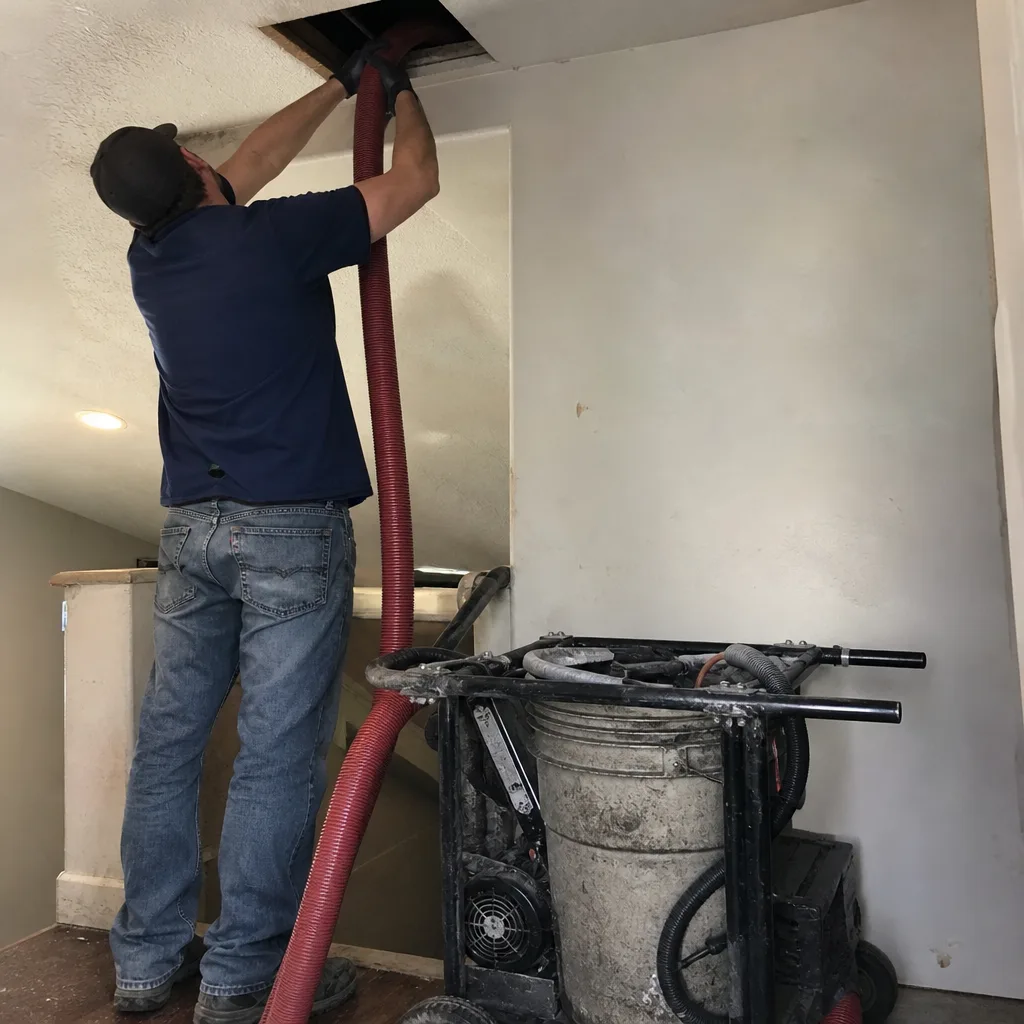 Before
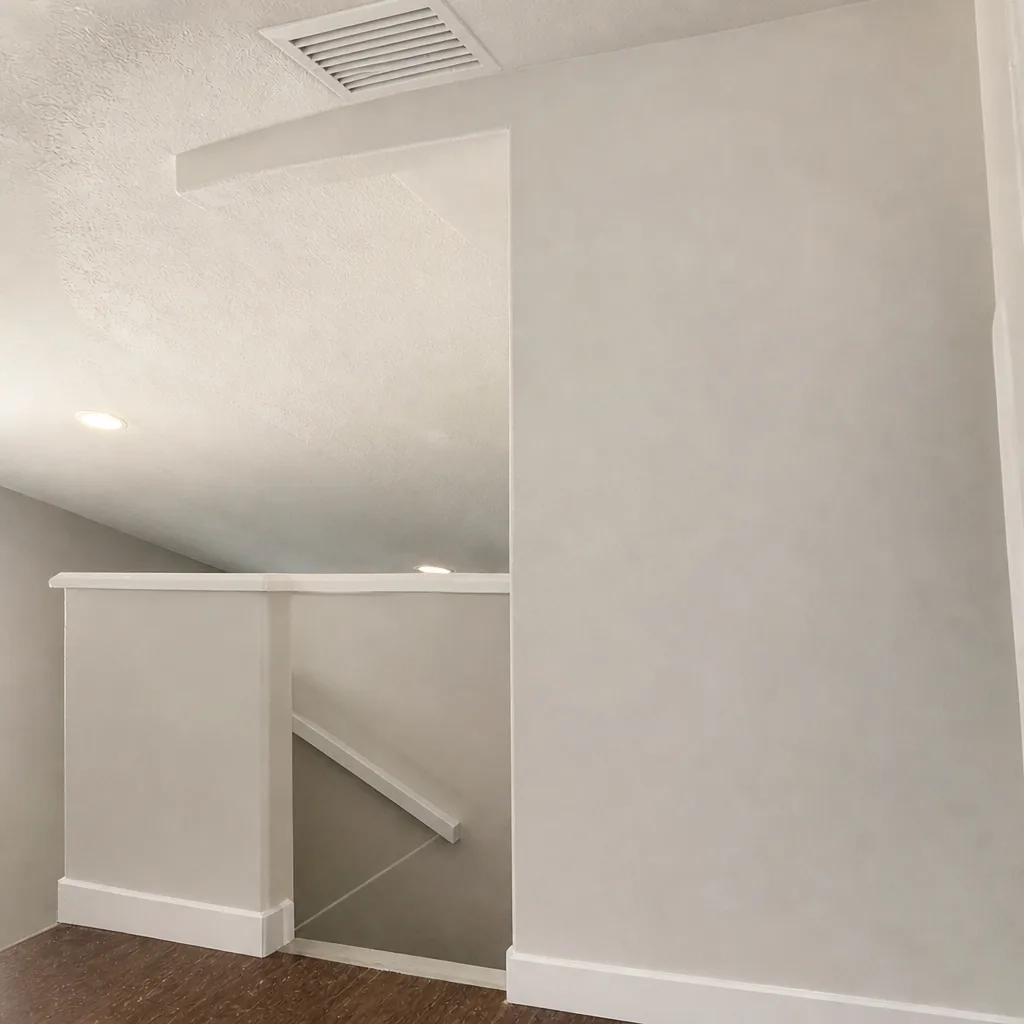 After
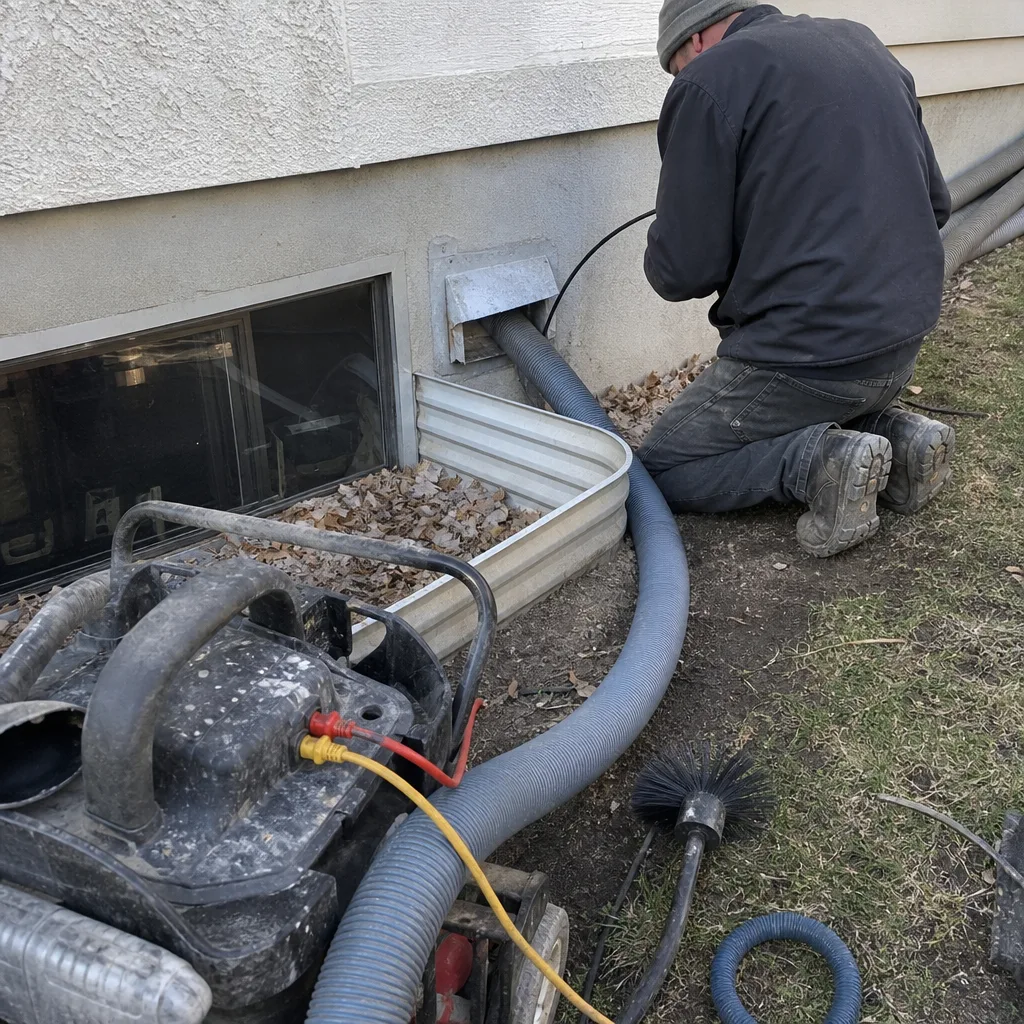 Before
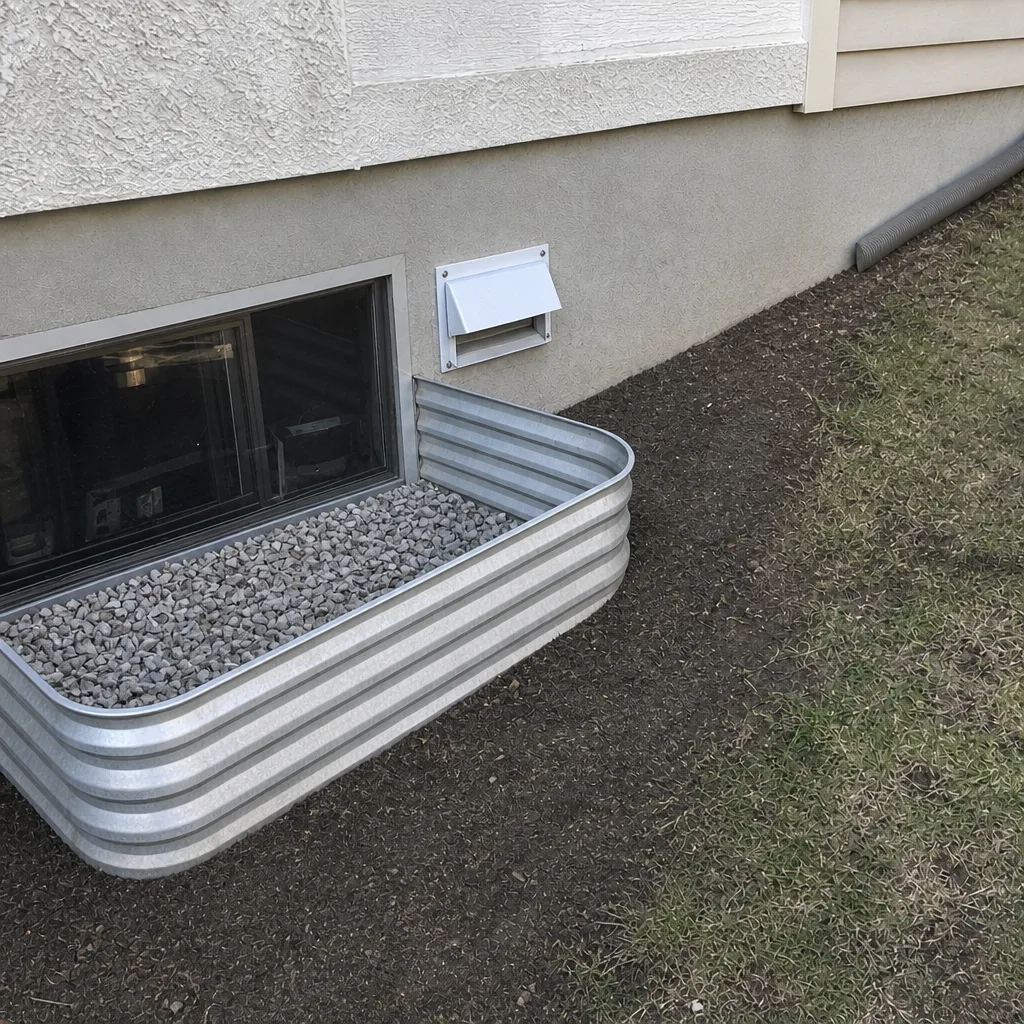 After
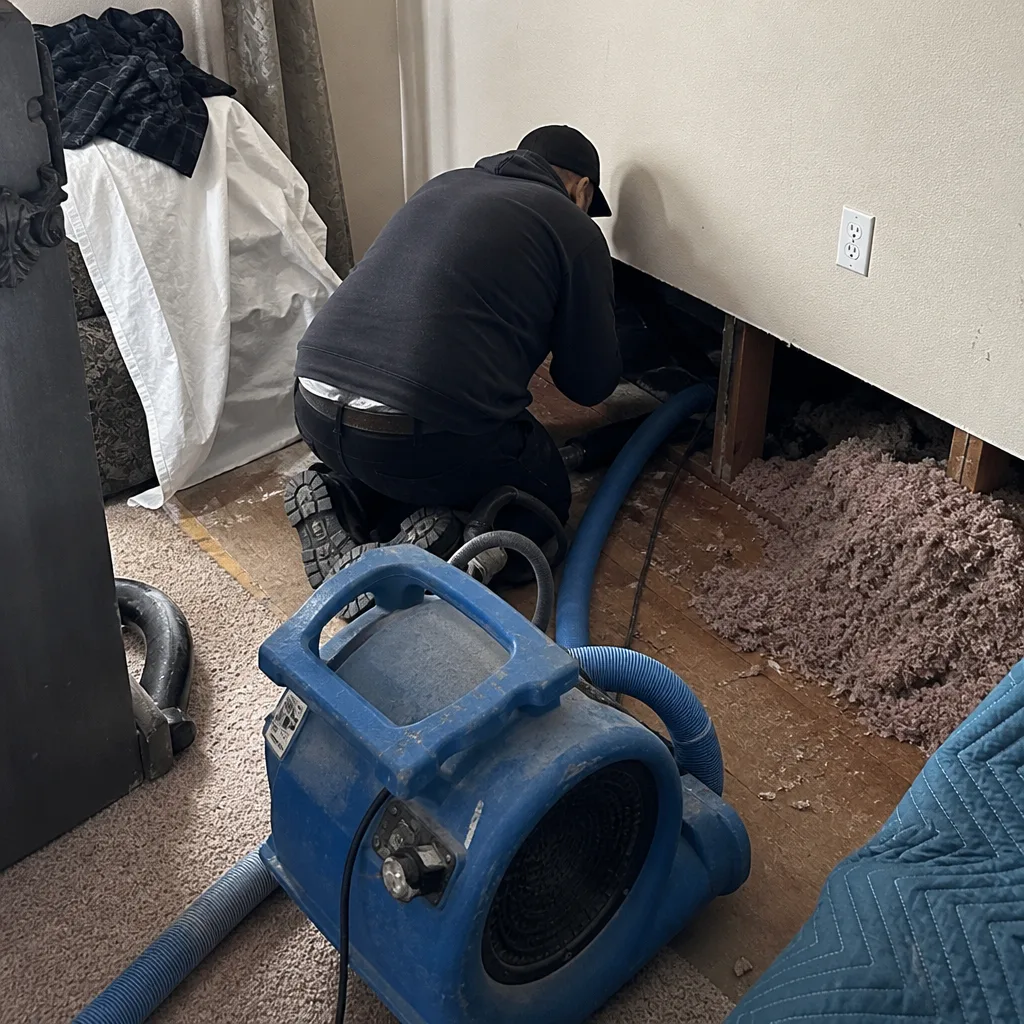 Before
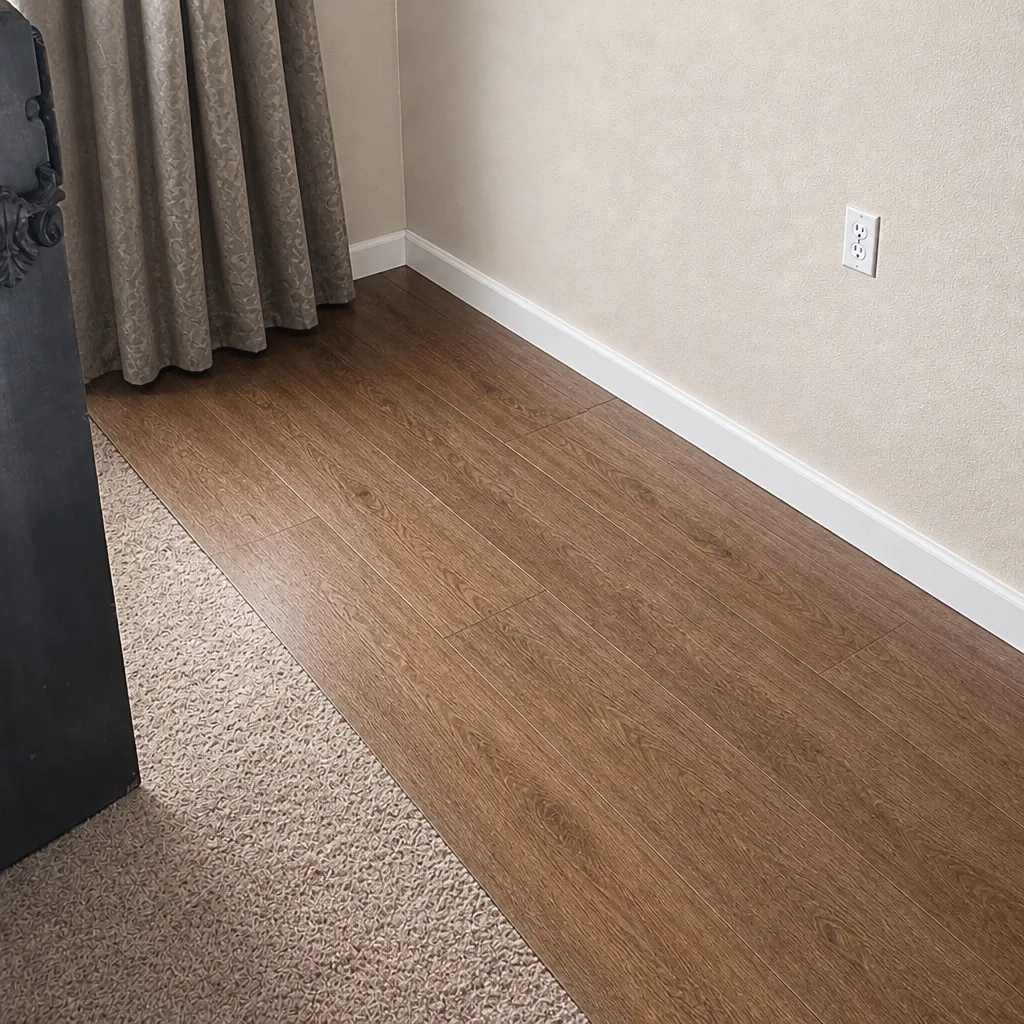 After
Preparing an Air Pathway Emergency Kit
Most homes have a fire extinguisher and a flashlight. Few have anything prepared for a duct contamination event, even though it’s the most likely contamination scenario a Lehi household will face. Here’s what we suggest every homeowner keep on hand:
- Two spare MERV 13 filters sized for your HVAC, stored in a sealed bag.
- Camera or phone with date-stamp enabled, kept accessible in a known drawer.
- A small notebook for logging event dates, durations, and any contractor visits.
- A room-level HEPA air purifier sized for at least one room of your home.
- Your HVAC system manual, which has the filter size and any damper locations listed.
- A copy of your homeowner’s insurance declaration page with the claims phone number visible.
Preparedness isn’t dramatic. It’s just having the box checked before the smoke event or flood, so you’re not making decisions while the clock is already running.
Common Mistakes to Avoid
- Cleaning the ducts before you document them. Once the ducts are clean, your insurer’s record of the “before” state is gone. Photograph first, clean second.
- Running HVAC during a smoke plume without adequate filtration. Standard 1-inch filters bypass too much particulate; running the fan continuously on a cheap filter is worse than leaving the system off during heavy smoke.
- Turning the system back on after a flood to “see if it’s working.” That single run can push moisture-laden air through every branch line in the house. Shut it down and get it inspected.
- Skipping the return air path in a post-construction clean. Return air is where the most particulate collects during construction, and it’s the easiest to miss if the service only looks at supply registers.
- Accepting a per-vent pricing model. Per-vent pricing pushes a cleaner to hit a vent count, not to finish the system. One flat price per system, agreed before the work starts, is what you want instead.
- Skipping sealing after an emergency clean. Unsealed joints let the next event push contamination straight back into the duct path. Cleaning without sealing is a short-term fix.
- Treating the ductwork as separate from the rest of the restoration. Ducts are part of the building envelope. Coordinate them with the water damage or construction scope or the restoration will be incomplete.
When to Call a Professional
Call for professional help in any of these scenarios. Water intrusion in or near the duct system, or standing water within 24 hours. Visible smoke residue at the registers after a wildfire event. Construction within 100 feet of the home that’s run longer than two weeks, especially without sealed duct stubs. HVAC has been off for more than a month and you’re about to restart it. Any two or more of the six contamination signs listed above. A property manager coordinating a tenant-ready cleaning after an incident. Our technicians have up to 15 years of experience and use professional-grade equipment from Rotobrush and Abatement Technologies, and we bring that full scope to Lehi homes with one estimate per system, not per vent. Lehi Air Duct Cleaning Pros offers free estimates in Lehi, call (855) 579-6778. We answer 24/7. Fast dispatch from 7am to 7pm, Sunday through Friday.
Frequently Asked Questions
Within two to four weeks of the smoke clearing. Smoke particulate that’s settled in duct surfaces continues to cycle back into the living space on every HVAC cycle, and the longer it sits, the more of it embeds into flexible branch lines. Post-event cleaning on the front end is faster and less invasive than dealing with long-term odor issues. Call (855) 579-6778 for an exact quote – estimates are free.
Only if your system is running a MERV 13 or higher filter and your fresh-air intake is closed. On a standard filter, running the fan during heavy smoke pushes more particulate into the duct system than it removes from the air. If your filter setup doesn’t support the added static pressure, shut the system down and use room-level filtration until outdoor air clears.
72 hours is the working window. Beyond that, insulated flex duct that’s stayed wet is usually a replacement rather than a dry-out. Sheet metal with retained moisture is presumed to have microbial growth and needs to be cleaned and sanitized, not just dried. Don’t wait on an inspection to find out which category your system falls into.
Often, yes, when the duct contamination is a direct consequence of a covered loss and you have documentation. That’s why photographing the register interiors, the removed filter, and the affected duct surfaces before cleaning matters so much. We produce a written scope that most insurers accept alongside your claim, including the cleaning method, containment approach, and any treatment applied. Call (855) 579-6778 for an exact quote – estimates are free.
The low quote usually excludes the return air path, the coil cabinet, sealing, or before-and-after photo documentation. A single-vent price also tends to become a much higher invoice once a contractor is on-site and “discovers” the extra work. We price per system, in writing, before the work starts, and we send you before-and-after photos of your own ducts as part of the service.
Ask for before-and-after photos of your own duct interior, not sample photos. Ask which cleaning method is used (agitation and extraction, not just vacuuming at the register), and ask whether sealing was included. At minimum, you should see photos of the return plenum, the supply trunk, and at least one flex branch. If a contractor won’t produce those, that’s the answer.
The Bottom Line
An emergency response for your ductwork in Lehi isn’t dramatic. It’s a sequence: identify the event, stop the source, document everything, shut down the system if moisture or heavy smoke is involved, get a professional inspection, clean with professional-grade agitation and extraction, seal what’s loose, sanitize what held moisture, and photograph the result. Rotobrush and Abatement Technologies equipment, a whole-home Aprilaire or Honeywell filtration solution, and one flat price per system agreed before work starts is the shape of a response that actually holds up after the event. Call (855) 579-6778 for a free estimate. We answer 24/7. Fast dispatch from 7am to 7pm, Sunday through Friday.
Written by the team at Lehi Air Duct Cleaning Pros.