
Last updated November 25, 2026
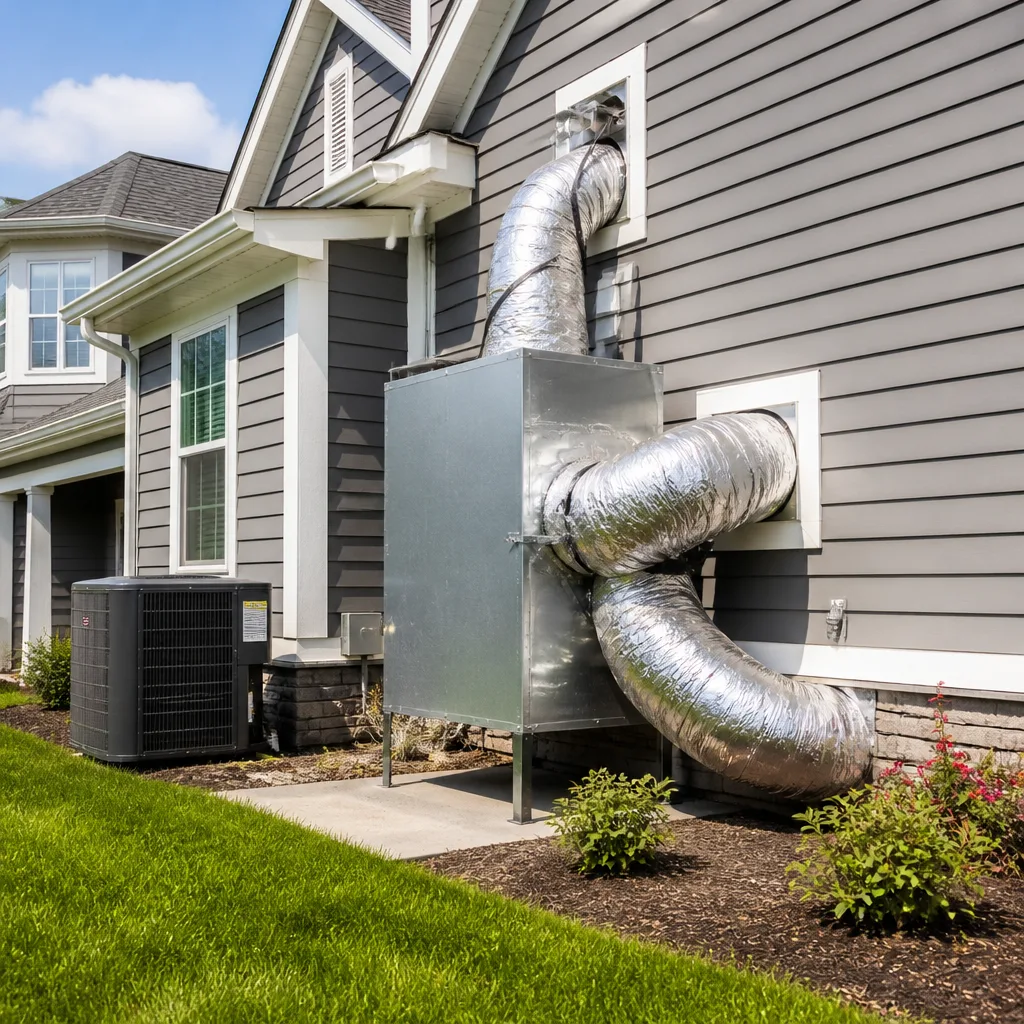 Whole-home duct cleaning
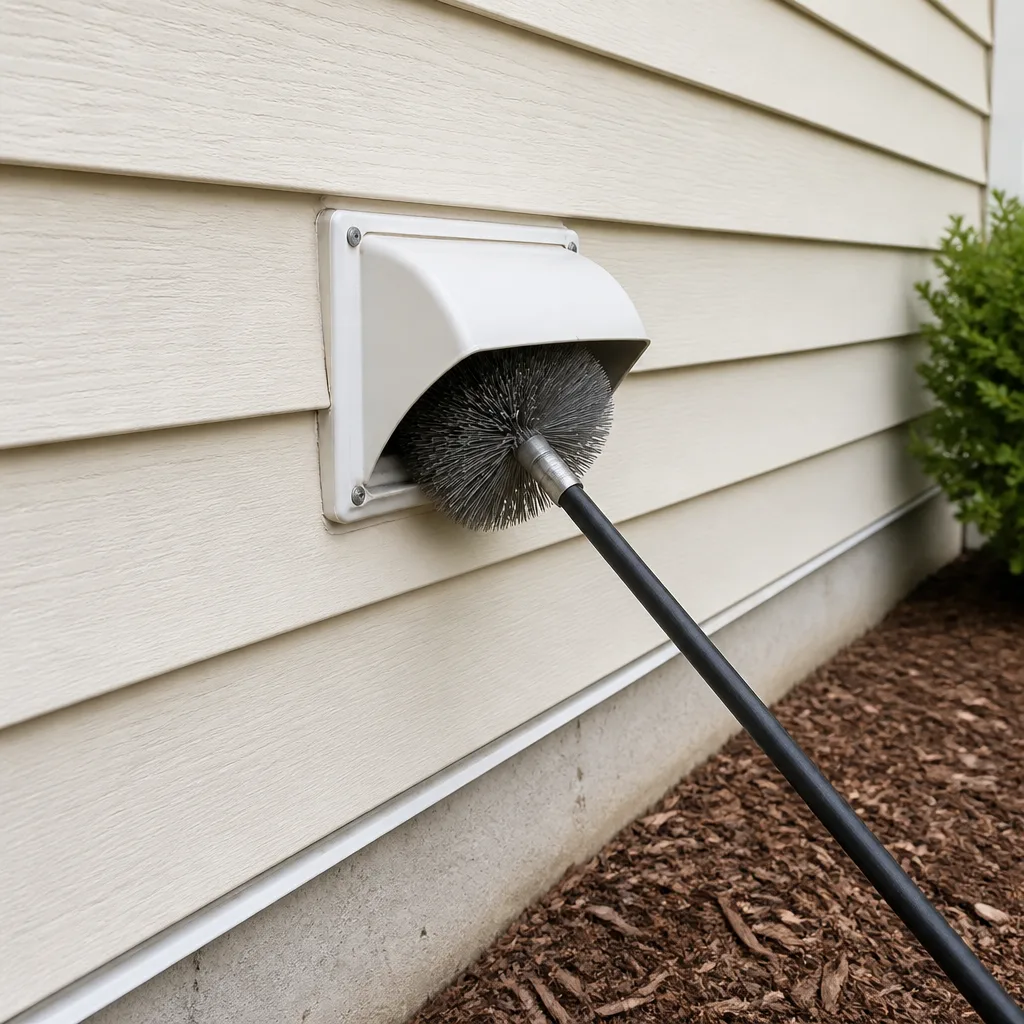 Dryer vent cleaning
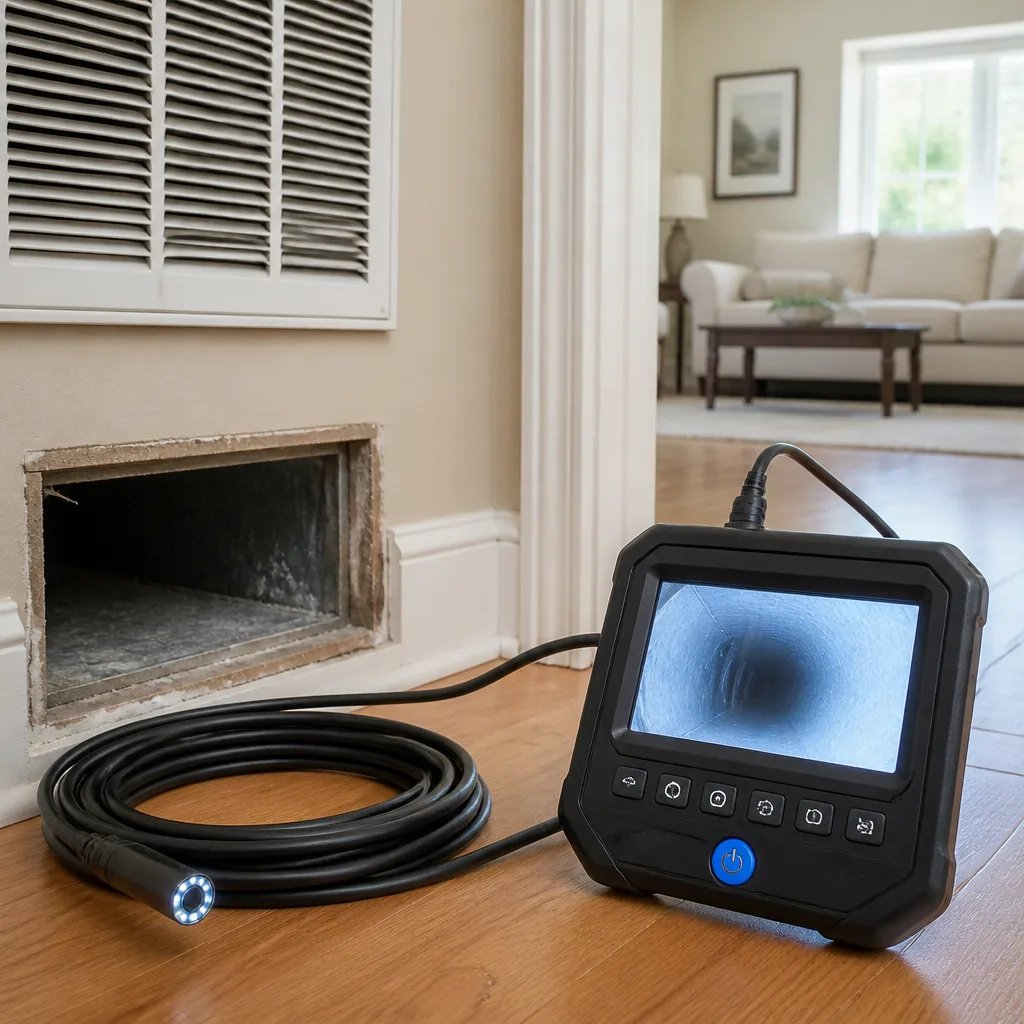 Camera inspection
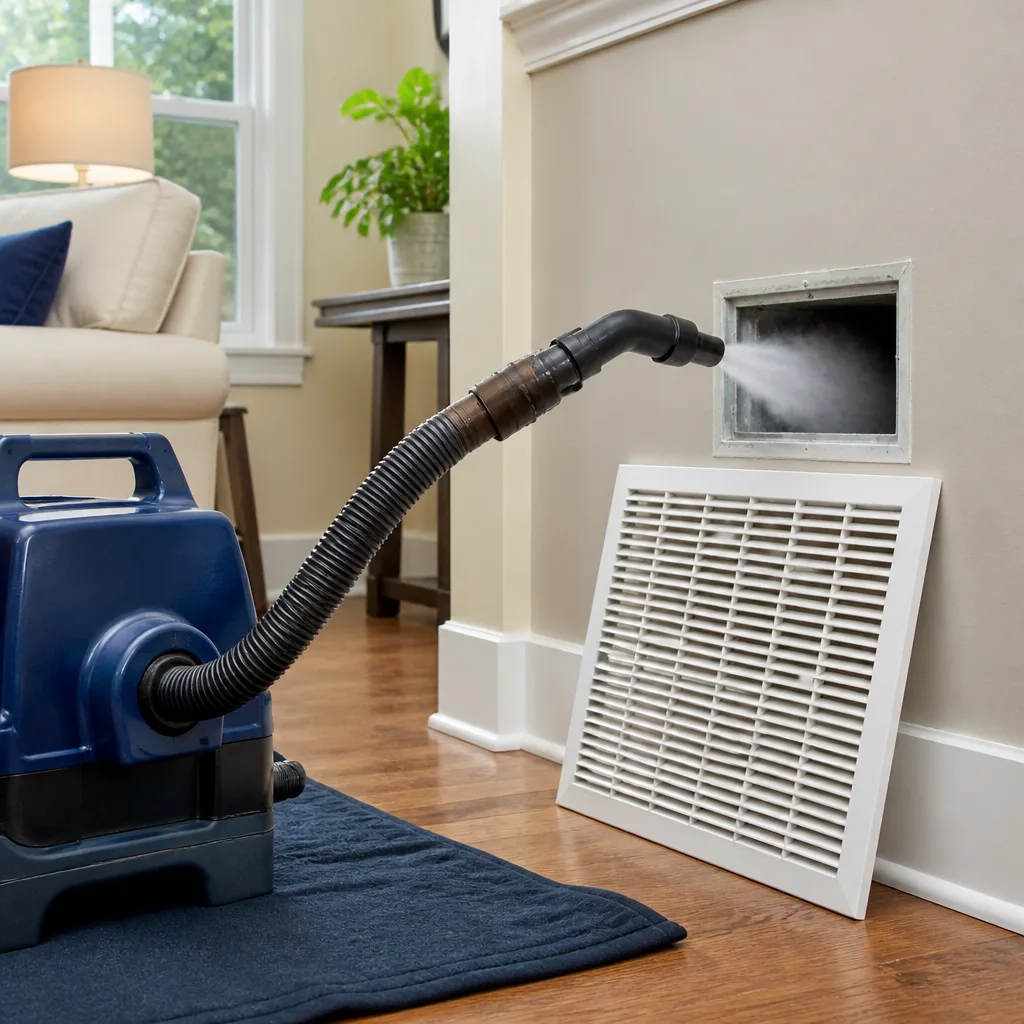 Sanitizing & deodorizing
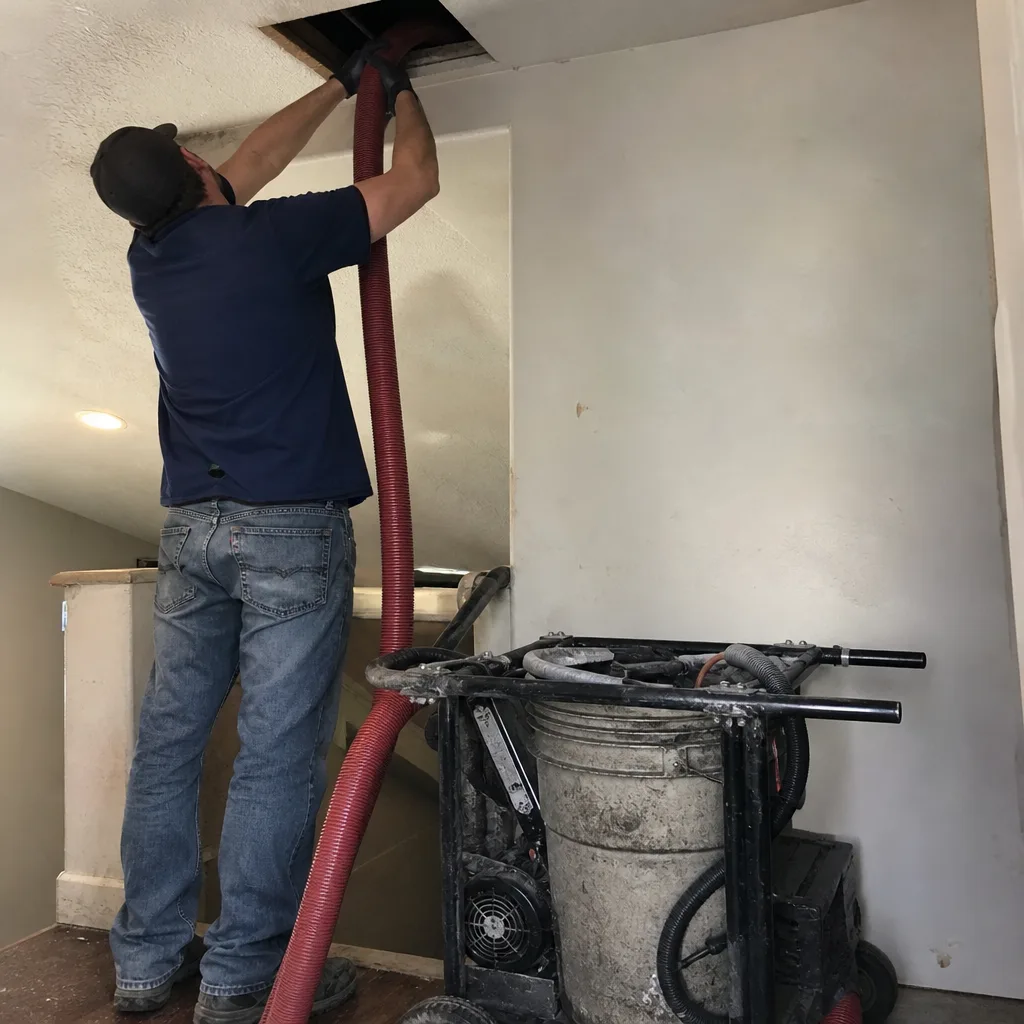
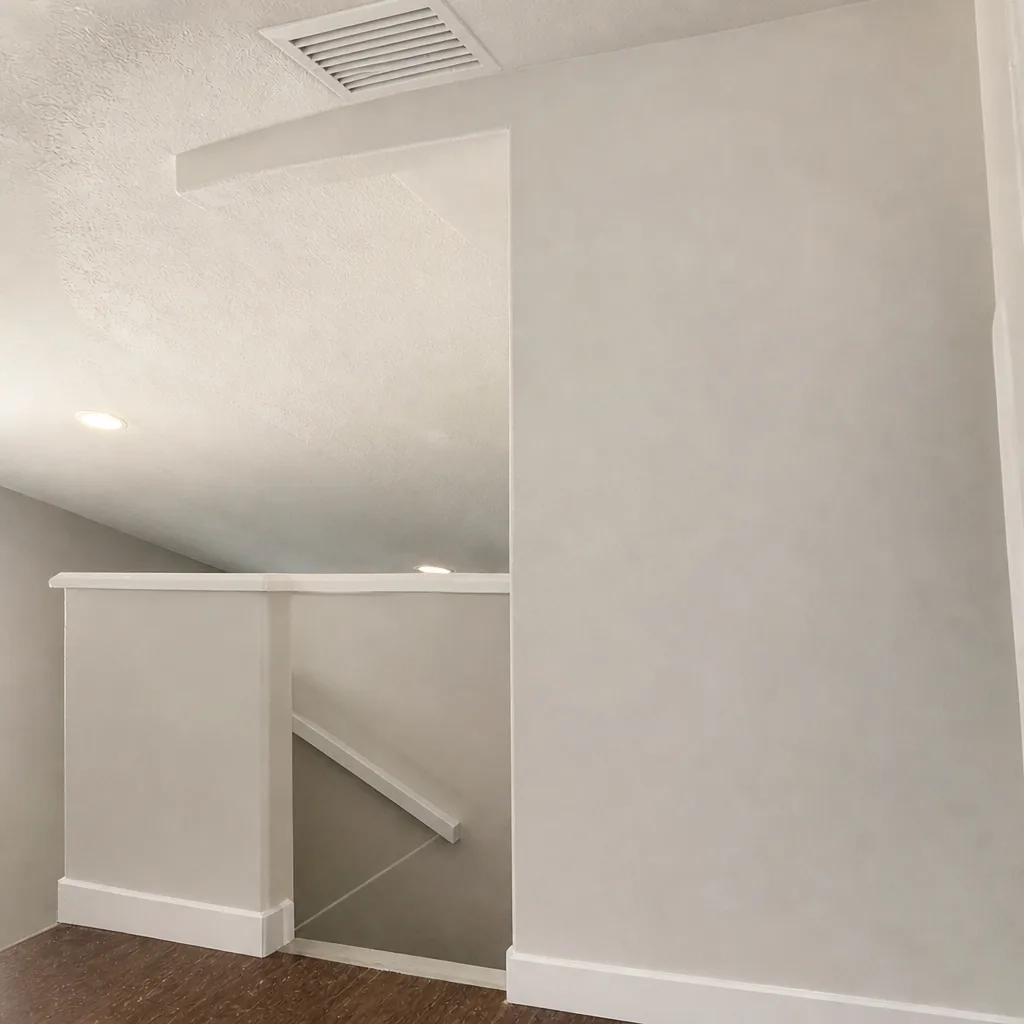
Whole-system duct and dryer vent check with before-and-after photos - you see exactly what came out of your vents
That "$99 whole-house special" is a bait ad - the real number appears once they are in your hallway, or the "clean" is a shop-vac at the register. We photograph the inside of your ducts before and after instead.
Air Duct Cleaning Troubleshooting in Lehi: Common Problems and How to Fix Them
If cleaning your ducts didn’t fix the dusty rooms or the uneven temperatures, the duct work probably wasn’t the only problem. Most people assume a dirty duct system is the whole story and that one cleaning pass will settle everything. In our experience across Lehi, the nagging issues that survive a cleaning are rarely contamination problems at all. They’re pressure problems: a separated joint behind a register, a run of flex duct that sagged and pinched shut in a tight attic, or an evaporator coil matted with dust that’s been blowing fine particles back into the supply. This guide treats your HVAC pathway as one connected system, not a list of isolated fixes, and walks you through how to tell those problems apart, what the symptoms at each register mean, and when the next step is a seal, a repair, or a test rather than another cleaning.
Quick Answer
If air duct cleaning didn’t solve the dust or the uneven airflow in your Lehi home, the cause is usually a system-level problem rather than leftover dirt: a leaky or separated duct joint, collapsed flex duct in a tight attic run, or a dirty evaporator coil. Diagnose it by matching the symptom to the register (dust in every room points to supply-side contamination, dust in one room points to a leak near that run), then follow the clean, inspect, seal, test sequence. Call (855) 579-6778 for a free estimate.
Styles & brands we work with
- Whole-home duct cleaning
- Dryer vent cleaning
- Camera inspection
- Sanitizing & deodorizing
Table of Contents
- Contamination Problem or Pressure Problem? How to Tell
- Why Dust Comes Back After Cleaning
- The Signs in Lehi Homes That Point to Duct Separation
- The Clean, Inspect, Seal, Test Decision Tree
- When to Run a Duct Blaster or Blower Door Test
- The Coil and HVAC Side of the Equation
- Dryer Vent Problems That Mimic Duct Problems
- Common Mistakes to Avoid
Contamination Problem or Pressure Problem? How to Tell
The single most useful troubleshooting step is deciding whether you’re dealing with contamination (dirt that’s in the ducts) or pressure (air escaping or failing to reach where it should). They look similar from the living room, but the fix is completely different. Contamination responds to cleaning and sanitizing. Pressure problems do not. You can clean a separated duct run every year and the dust will keep coming back, because the leak is pulling attic or crawlspace air into the supply path.
The fastest way to tell them apart is to watch the registers room by room.
- Dust in every room, roughly even: this leans contamination. The supply side is dirty and distributing particles everywhere.
- Dust concentrated in one or two rooms: this leans pressure. There’s likely a leak, a disconnected joint, or a collapsed run feeding just those spaces.
- Weak airflow at registers far from the air handler: this leans pressure. Long runs lose static pressure when a joint is open or flex duct is pinched.
- Strong airflow but the room never feels clean or never cools: this leans coil or return-side contamination, not supply dirt.
- A musty or attic-like smell at a register: this is a red flag for a leak drawing unconditioned air from the attic or wall cavity.
In Lehi we see both patterns, often in the same house: a genuinely dirty supply system combined with one or two failed joints. That’s why we treat the whole pathway, not just the ducts. A cleaning without an inspection can leave a pressure problem untouched and the homeowner wondering why nothing changed.
Why Dust Comes Back After Cleaning
Persistent dust after a professional cleaning almost always points to one of three things, and none of them is a bad cleaning job. The first is a compromised duct seal: gaps at joints, loose connections at the plenum, or tape that has dried and let go. The second is a dirty evaporator coil, which acts like a wet filter and can shed fine dust back into the airstream. The third is a return-side leak pulling dust-laden air from an attic, garage, or crawlspace straight into the system.
Here’s what each looks like in practice:
- Failed duct seals. If the dust returns within a few weeks of cleaning and is heaviest near the air handler or in rooms closest to it, suspect joints that have opened. A duct that was sealed with old mesh tape and mastic can lose that seal as it cycles through Lehi’s dry summers and cold winters.
- A fouled coil. When the coil is matted, airflow drops and the coil sheds particles. You’ll often notice weaker cooling alongside the dust. Cleaning the ducts won’t touch a dirty coil, which is why we treat HVAC cleaning as part of the same job.
- A return leak. A return duct that has separated in the attic or a wall cavity will pull airborne dust in all day long. This one is easy to miss because the dust doesn’t smell dirty, it smells like where it came from.
The takeaway: if dust comes back fast, you have a seal or coil problem, and the next step is inspection and sealing, not another cleaning pass.
The Signs in Lehi Homes That Point to Duct Separation
Lehi’s housing stock has a few characteristics that make certain duct problems more common, and knowing them helps you read the signs. Many homes here sit on slab foundations, which means much of the ductwork runs through or above the slab and through tight attic spaces rather than a roomy basement. That layout leaves less room for ductwork to expand, and flex duct runs in particular can be pinched, kinked, or crushed when a tight attic gets packed with insulation or when other trades move through after the HVAC is installed.
Watch for these signs, which we associate with Lehi-area homes specifically:
- Warm ceilings and cold floors in winter, or hot rooms in summer only in part of the house: on a slab, the run to those rooms may have separated where it transitions from the trunk.
- Insulation collapse on flex duct: in a tight attic, flex duct that sags can lose its outer insulation layer or pinch the inner liner, cutting airflow without obvious dust.
- Dust near the air handler closet or garage return: on slab homes with a garage-side return, a separated joint lets garage air into the supply path.
- Whistling or a hiss at a register: that’s air escaping at a leak, not a dirty duct.
- Pressure differences room to room: a door that won’t stay put, or a room that feels pressurized while another feels starved, points to balancing and leak issues together.
None of these are things a standard cleaning fixes. They’re repair and sealing work, and that’s where a system-level approach pays off. Clean ducts are the start; sealed, repaired ducts are the finish.
The Clean, Inspect, Seal, Test Decision Tree
Troubleshooting a duct system works best as a sequence, with a stop-or-go decision at each stage. Here’s the order we use, and the criteria for moving to the next step.
- Clean. Start with air duct cleaning using professional equipment that physically agitates and extracts debris, not a shop-vac shortcut. Go to inspect if you still have dust, uneven airflow, or smells after cleaning. Stop here if the system is clean and airflow is even; you’re done for now.
- Inspect. Look inside the duct path, at the joints, the plenum, and the coil. Visual inspection finds disconnected joints, torn flex duct, crushed runs, and a matted coil. Go to seal if you find gaps, separations, or a fouled coil. Stop here if everything looks sound and the problem was only dirt.
- Seal. Repair and seal the leaks with proper duct mastic and, where appropriate, mechanical connections. This is the step that stops contamination re-entry. Go to test if airflow is still uneven after sealing, or if you want to confirm the system is tight.
- Test. A duct blaster or blower door test measures leakage and confirms the repair actually worked. Use it when symptoms persist after sealing or the return-side problem is hard to see.
Most homeowners find they can make the go/no-go call at each stage simply by watching the registers after each step. If the dust stays gone and the rooms heat and cool evenly, you can stop. If not, keep moving down the list.
When to Run a Duct Blaster or Blower Door Test
You don’t always need a duct blaster or blower door test. For a straightforward contamination problem where the dust clears after cleaning, visual inspection is sufficient and a test just adds cost without telling you anything new. A test earns its place when the problem is invisible, hidden behind drywall or slab, or hard to pin down.
Reach for a test when:
- Symptoms persist after a clean-and-seal and you can’t see the leak.
- The duct path runs through slab or sealed chases where visual inspection can’t reach.
- You’ve found and sealed visible leaks but the airflow still won’t balance room to room.
- You want documented proof of leakage before and after a repair, which helps justify the fix.
A duct blaster pressurizes the duct system to measure how much air leaks out. A blower door does the reverse and measures whole-house leakage, which tells you how much air is coming into the home around and through the duct path. Together they turn guesswork into a number you can act on. For most Lehi homes with visible attic ductwork, though, a careful visual inspection catches the same problems far more cheaply, which is why we start there.
The Coil and HVAC Side of the Equation
You can’t troubleshoot a duct pathway without looking at the equipment it connects to. The evaporator coil sits in the airstream and works like a magnet for dust. When it’s dirty, it does two things that mimic duct problems: it sheds fine dust back into the supply, and it restricts airflow so rooms feel starved even when the ducts themselves are clean.
Signs the coil is part of the problem:
- Weaker cooling than the thermostat calls for, alongside the dust.
- Dust that returns within weeks of cleaning.
- A musty smell that appears when the system runs.
- Water or moisture near the air handler.
This is why a clean ducts-only service can leave you frustrated. Cleaning the supply runs and ignoring the coil is like washing a filter and forgetting the screen behind it. We handle the whole HVAC path as one job and use Abatement Technologies filtration equipment during service so dust we disturb gets captured instead of resettling in your home.
Dryer Vent Problems That Mimic Duct Problems
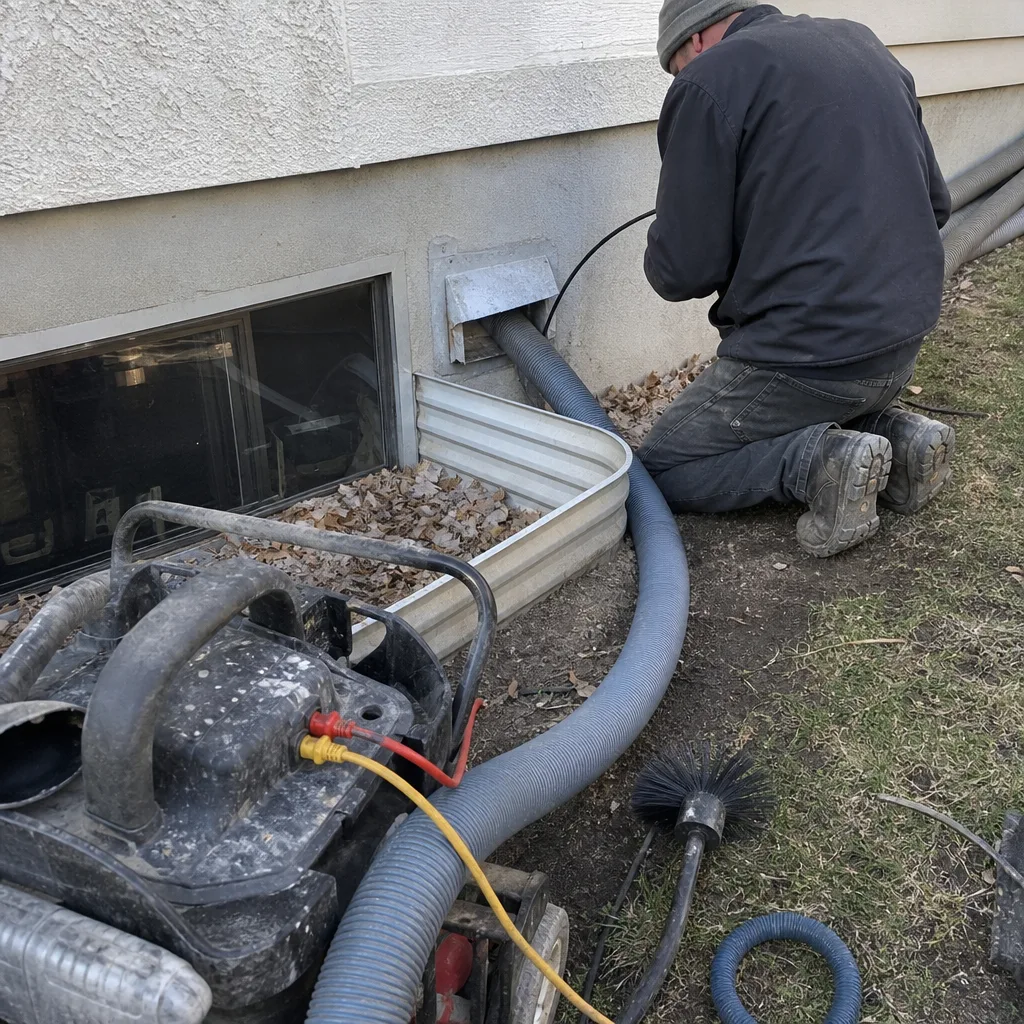
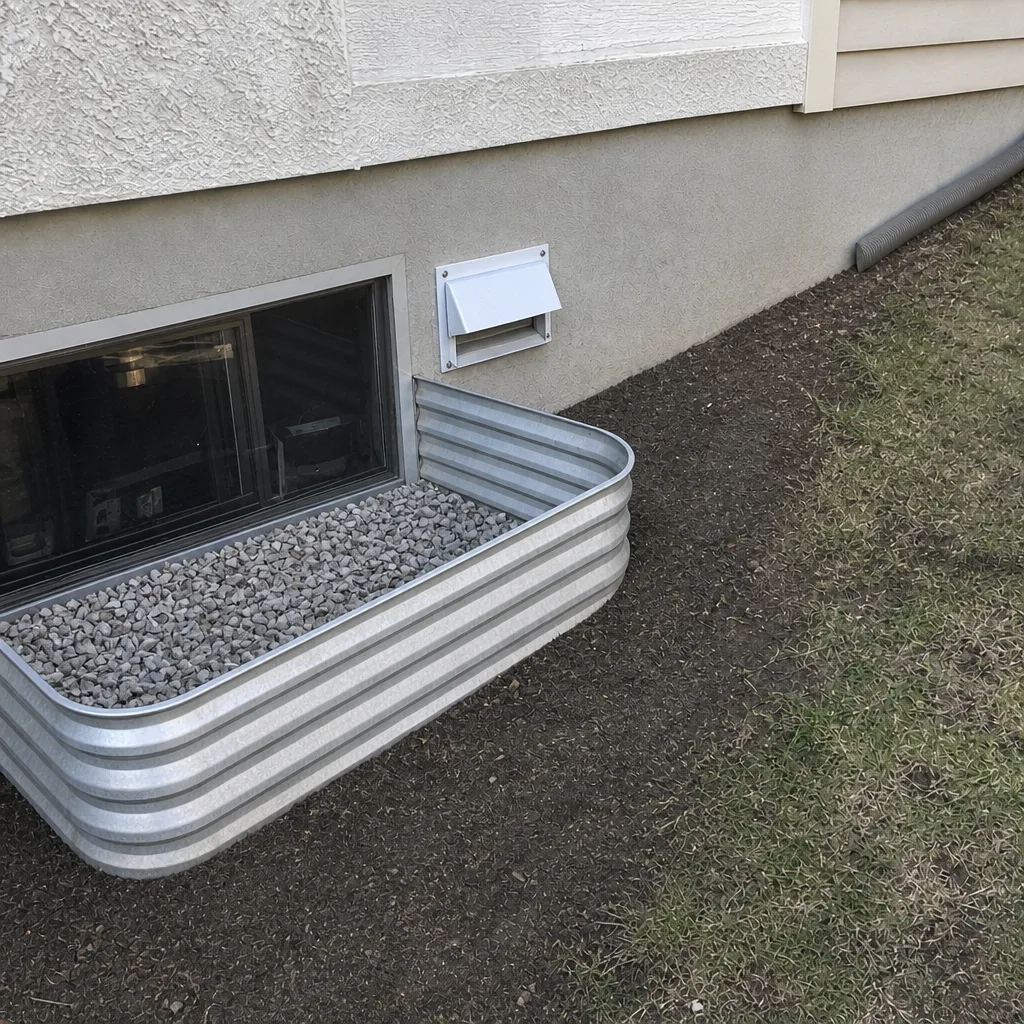
Some things homeowners blame on the air ducts turn out to be the dryer vent. They share the same problem family: a long, hidden path that traps lint and restricts airflow. A clogged dryer vent doesn’t just make the dryer slow. It’s a fire hazard, and it’s one of the most overlooked parts of the whole air pathway in a home. We treat dryer vent cleaning as a core part of our service for exactly this reason.
If the room feels humid, clothes take more than one cycle to dry, or you notice lint around the outside vent, that’s a dryer vent problem, not an air duct one. It doesn’t respond to duct cleaning. If your return-side symptoms and a slow dryer are happening at the same time, though, it’s worth having both checked in one visit. That’s the benefit of a specialist who handles all of it under one roof: Lehi Air Duct Cleaning Pros covers your ducts, dryer vent, HVAC, repair and sealing, and sanitizing in a single call, so no part of the pathway gets left out. For an overview of how we approach the whole job, see our full air pathway service.
Common Mistakes to Avoid
- Assuming a cleaning will fix an airflow problem. Cleaning removes dirt; it doesn’t close a separated joint. If the symptom is pressure, cleaning won’t touch it.
- Cleaning the supply and skipping the return and coil. The return path and evaporator coil are half the system, and skipping them leaves the source of returning dust in place.
- Using consumer-grade tools and calling it a cleaning. A shop-vac can’t agitate debris off duct walls the way a rotary-brush system does. Professional-grade equipment is the difference between extraction and a light dusting.
- Taping over a leak instead of sealing it. Tape dries and lets go, especially through Lehi’s temperature swings. Proper mastic and mechanical sealing hold.
- Ignoring the dryer vent. In a Lehi home where the dryer and HVAC share a utility area, a clogged dryer vent is both a fire risk and a comfort issue. It deserves the same attention as the ducts.
- Not documenting what was done. Before-and-after photos of your own ducts and coil are how you know the work actually happened. Ask for them.
- Skipping the test when symptoms persist. If the dust keeps coming back after sealing, a duct blaster or blower door test finds the leak you can’t see.
See the difference
 Before
 After
 Before
 After
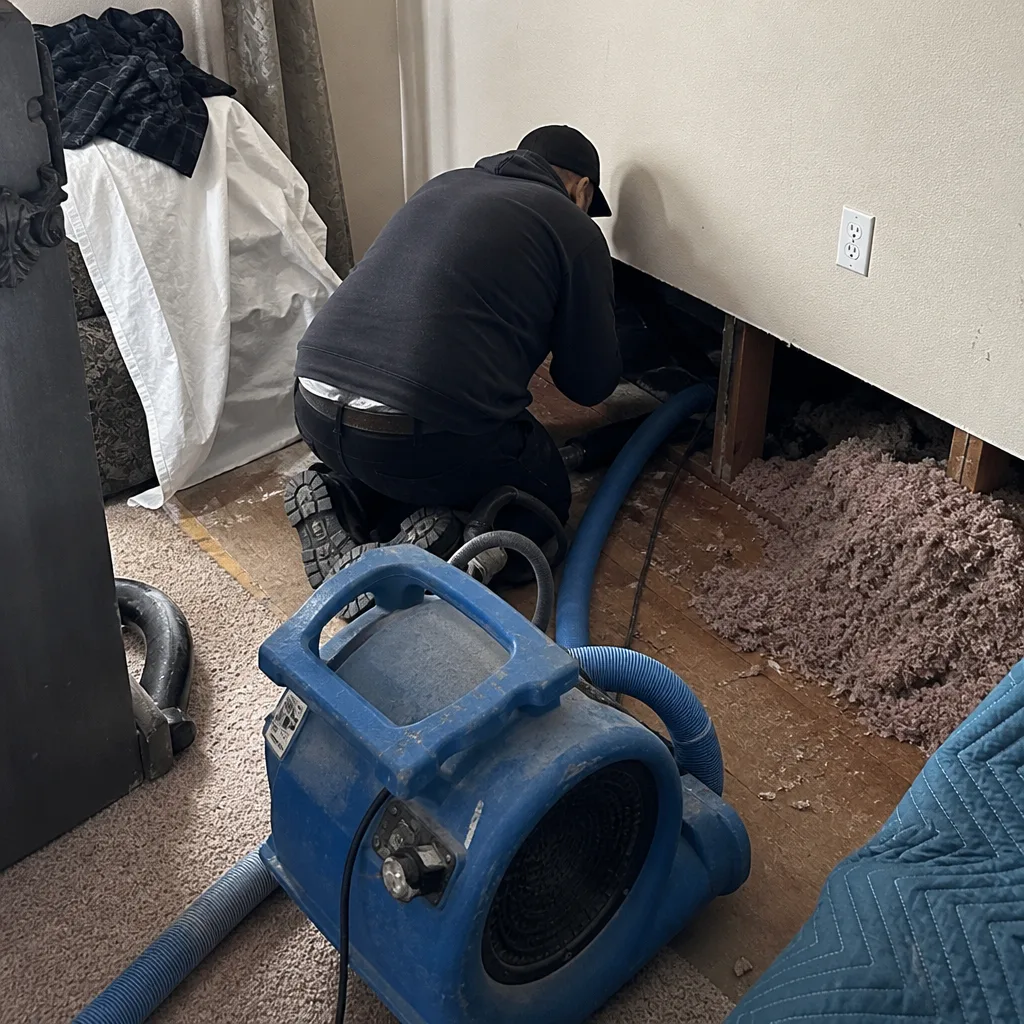 Before
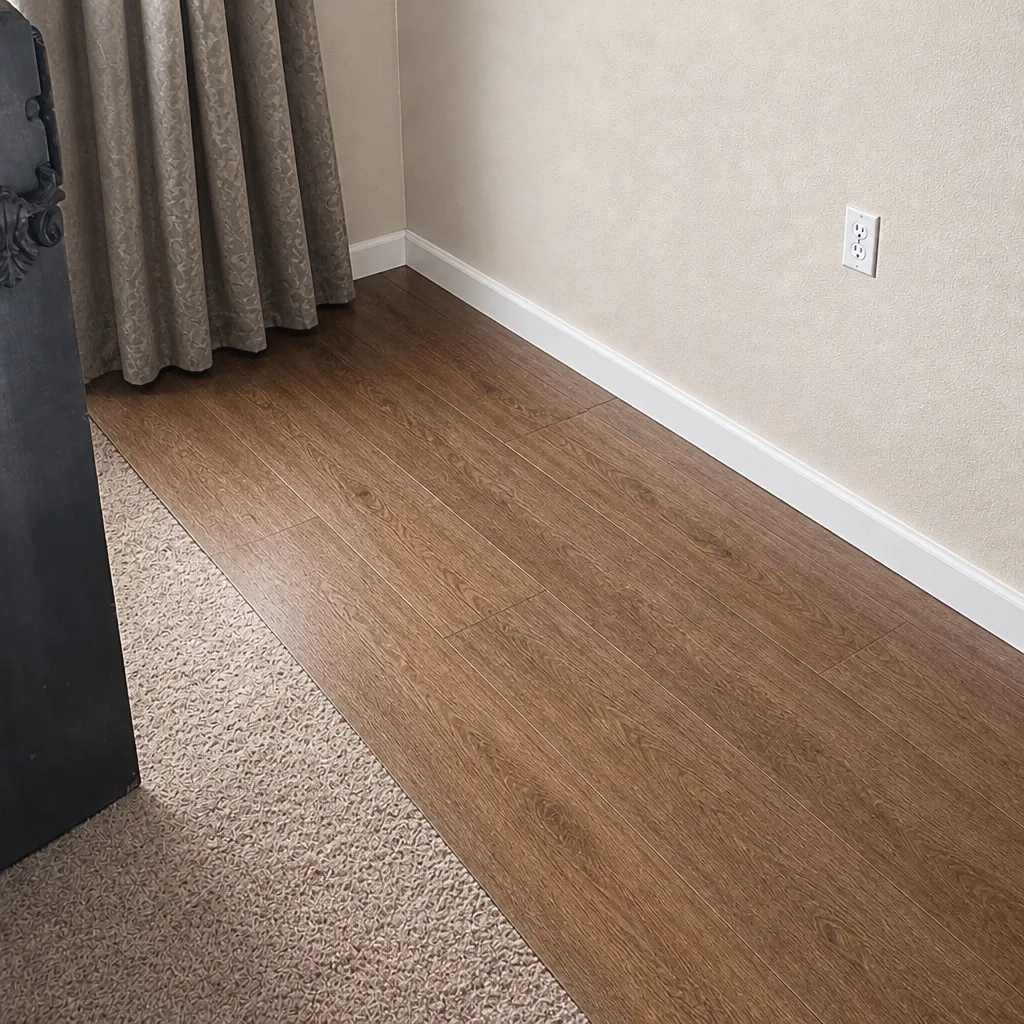 After
When to Call a Professional
Some of this you can diagnose yourself by watching the registers and following the decision tree. Call a professional when the symptoms persist after a cleaning, when you find a separated joint or crushed flex duct you can’t safely reach, or when the duct path runs through slab or a sealed chase. Airflow that won’t balance room to room after sealing, a musty smell you can’t trace, and a coil that looks matted all point to a job that needs the right equipment and a trained eye. Air ducts handling conditioned air are part of the HVAC system, so a quick visual inspection is fine but real repair and testing belong with someone who knows the system. Lehi Air Duct Cleaning Pros offers free estimates in Lehi. Call (855) 579-6778 and we’ll help you sort out whether you need a cleaning, a repair, or both.
Frequently Asked Questions
Because the dust usually wasn’t the duct’s dirt to begin with. A compromised seal, a collapsed run, or a dirty evaporator coil keeps putting particles back into the airstream no matter how often you clean. The next step is an inspection to find the source, then a repair or seal. Call (855) 579-6778 for a free estimate.
Watch the registers. Dust that’s even across every room leans contamination; dust or weak airflow concentrated in one or two rooms leans pressure, meaning a leak or collapsed run. A musty smell or a hiss at a register is a strong pressure signal. Call (855) 579-6778 and we’ll help you interpret what you’re seeing.
Only when the problem is hidden. A simple visual inspection is enough for a clean, even system or a clear contamination case. A test earns its place when symptoms persist after a seal, when the duct path is behind slab or a sealed chase, or when you want documented proof of leakage before and after a repair. Call (855) 579-6778 and we’ll tell you whether a test makes sense for your home.
Warm ceilings and cold floors on a slab foundation, insulation collapse on tight attic flex runs, whistling at a register, and dust concentrated near the garage-side return. Lehi’s tight attics and slab layouts make these more common. Call (855) 579-6778 for a free estimate.
Yes. A matted coil restricts airflow and sheds fine particles back into the supply, so the rooms stay dusty even after the ducts are clean. Cleaning the coil is part of the same system-level job. Call (855) 579-6778 to book an inspection.
It matters more than anything else. We use Rotobrush and Nikro rotary-brush and high-vacuum systems that physically agitate and extract debris, plus Abatement Technologies filtration during service, so dust we disturb is captured rather than resettled. That’s professional-grade equipment, not a shop-vac shortcut. Call (855) 579-6778 for a free estimate.
The Bottom Line
Most duct problems that survive a cleaning aren’t solved by cleaning again. They’re pressure problems: a separated joint, a crushed flex run, or a dirty coil. Read the registers, decide whether it’s contamination or pressure, then work the clean, inspect, seal, test sequence with a clear stop-or-go at each stage. In Lehi’s slab homes and tight attics, the symptoms worth watching are uneven temperatures, dust in just a few rooms, and a hiss at the register. If you get stuck at any stage, that’s the point to call. Lehi Air Duct Cleaning Pros handles the whole air pathway in one visit with equipment we bring to your home. Call (855) 579-6778 for a free estimate. We answer 24/7. Fast dispatch from 7am to 7pm, Sunday through Friday.
Written by the team at Lehi Air Duct Cleaning Pros.