
Last updated November 25, 2026
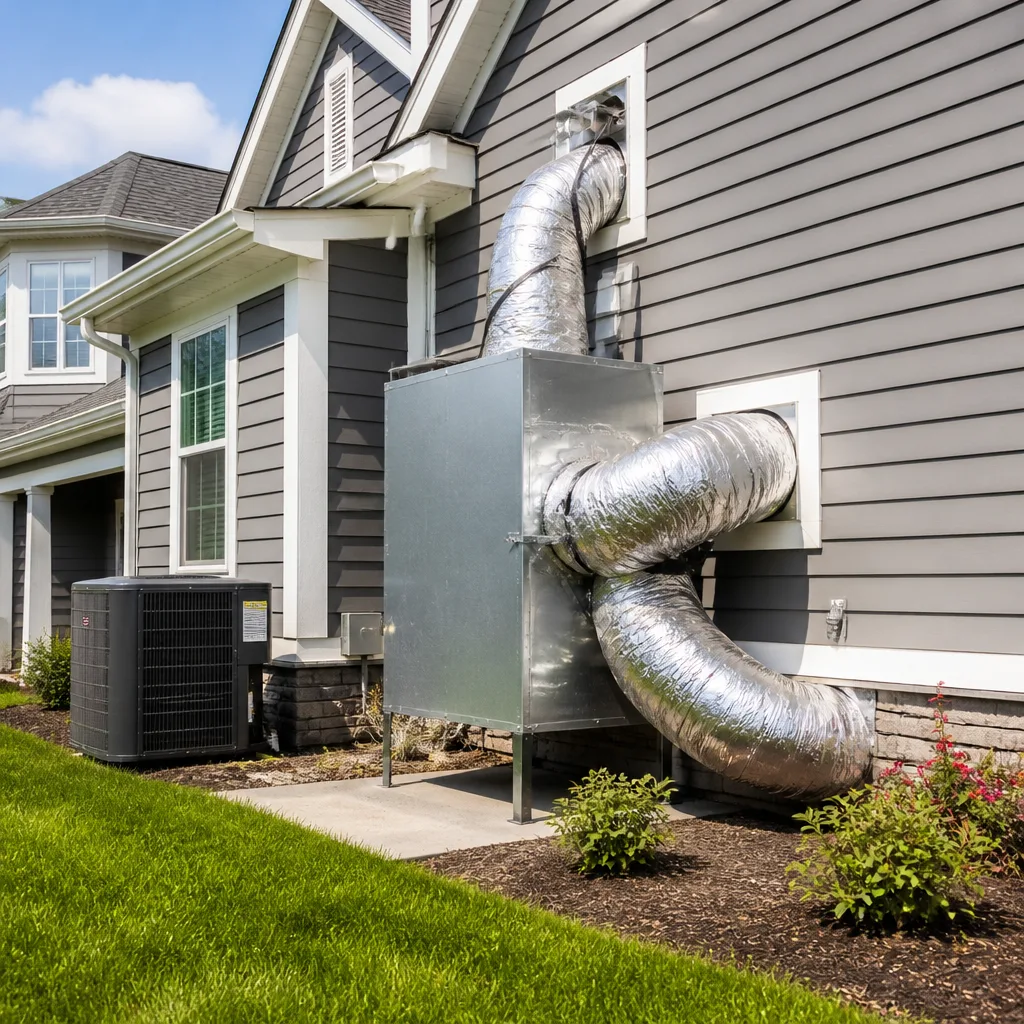 Whole-home duct cleaning
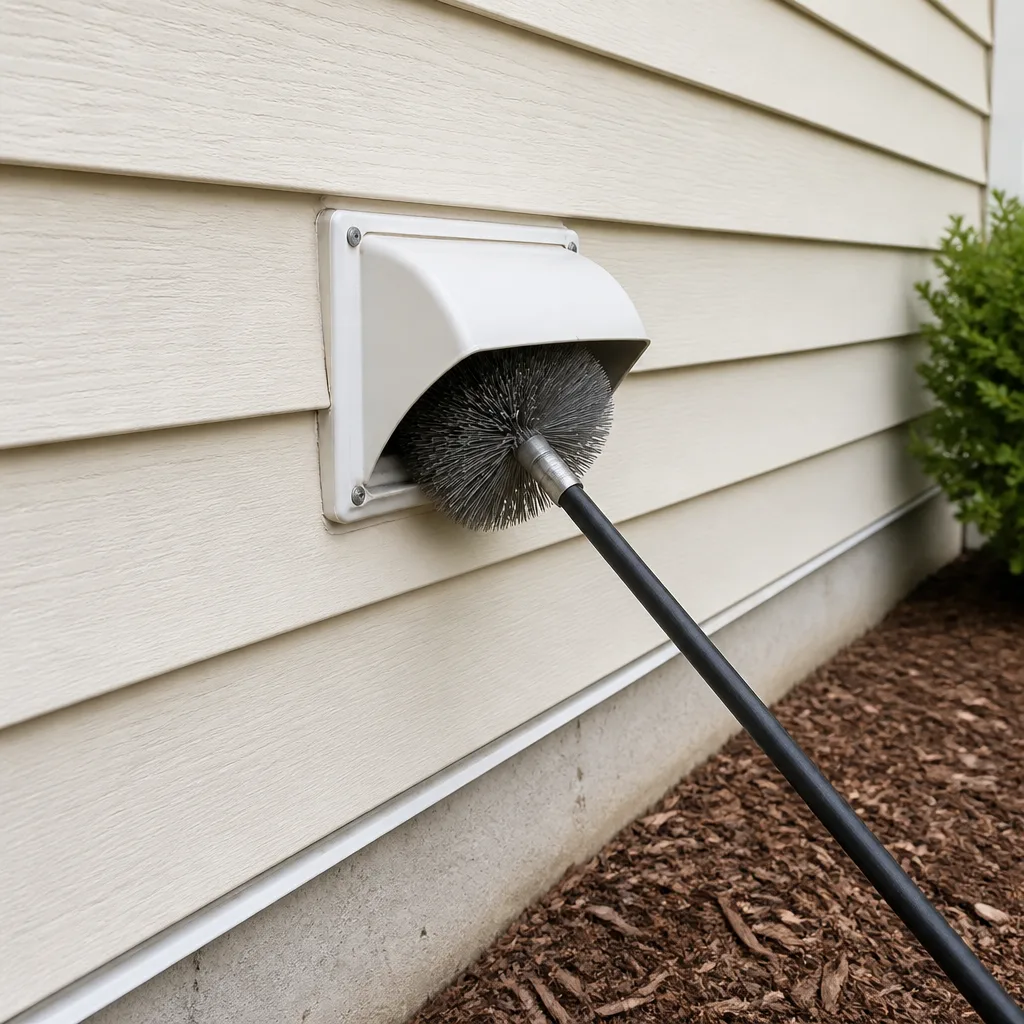 Dryer vent cleaning
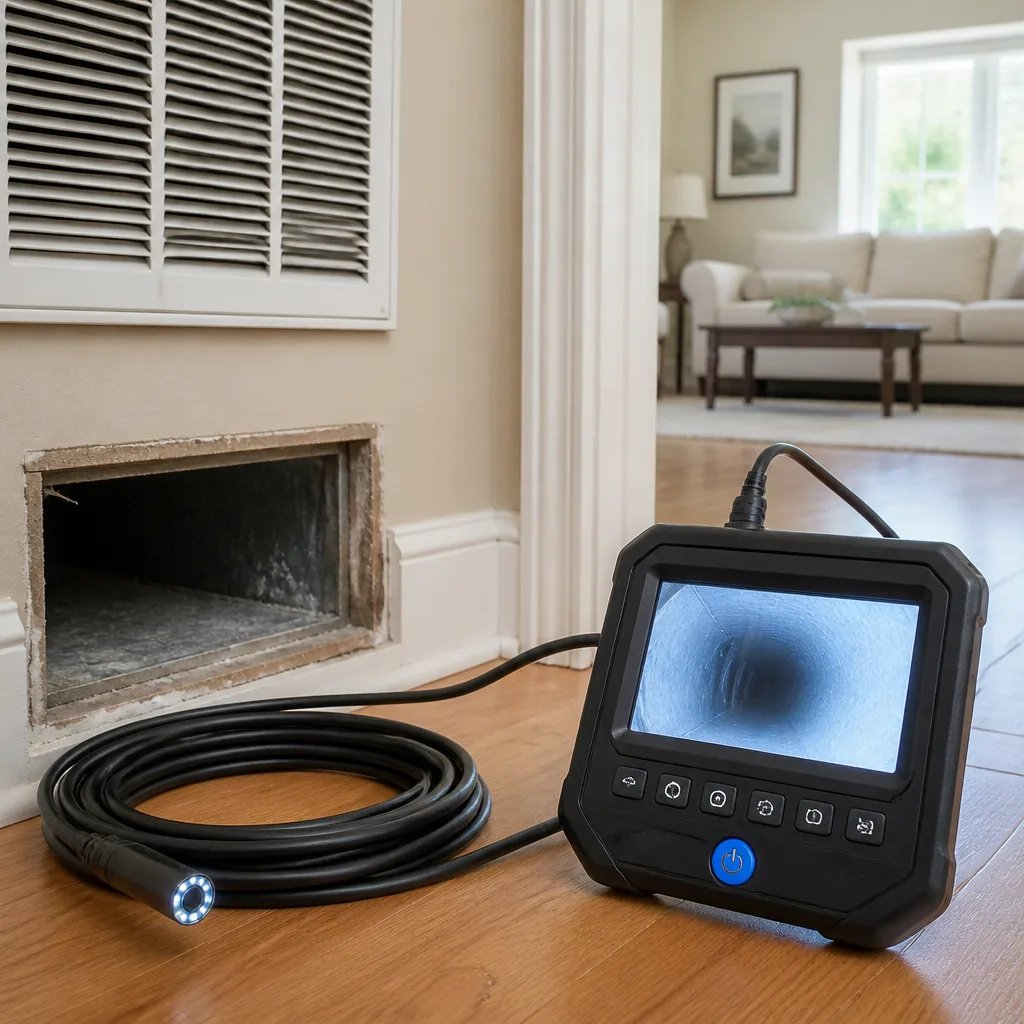 Camera inspection
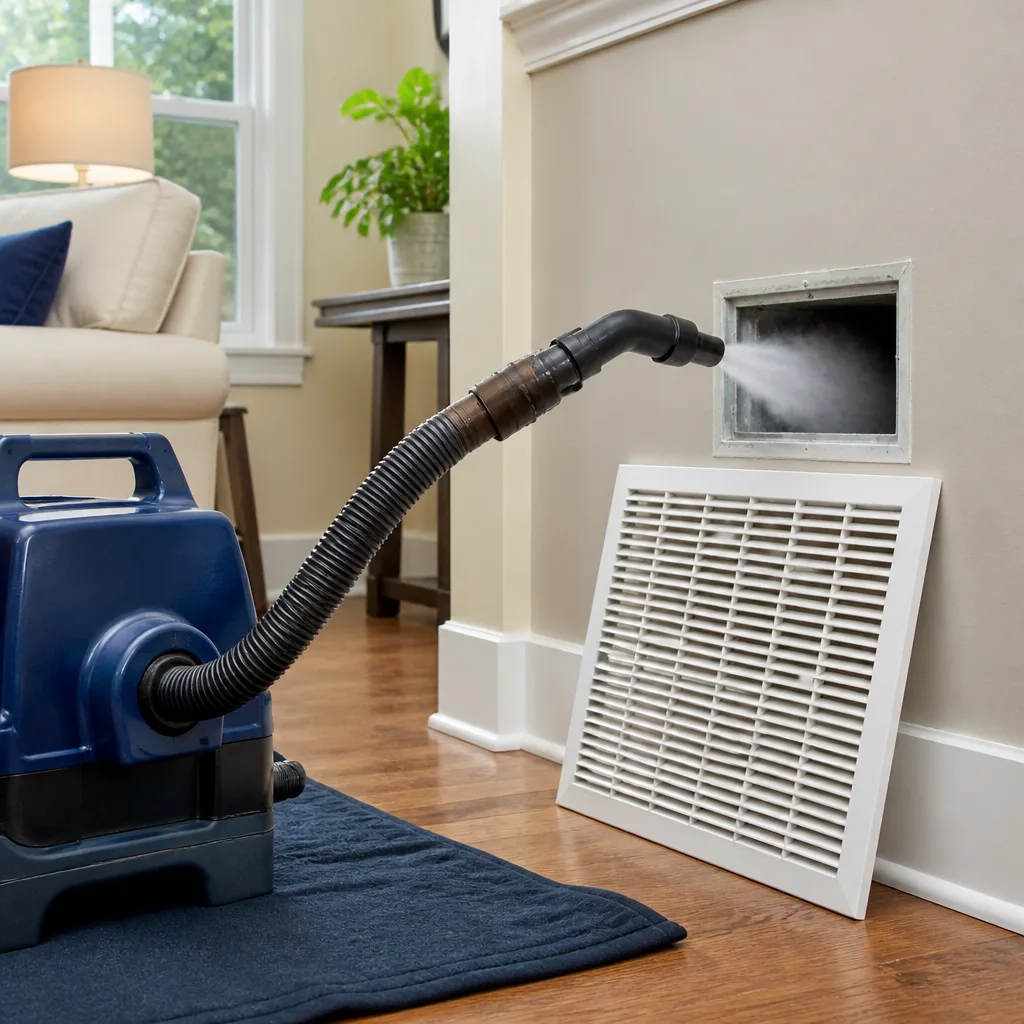 Sanitizing & deodorizing
Whole-system duct and dryer vent check with before-and-after photos - you see exactly what came out of your vents
That "$99 whole-house special" is a bait ad - the real number appears once they are in your hallway, or the "clean" is a shop-vac at the register. We photograph the inside of your ducts before and after instead.
DIY vs Professional Air Duct Cleaning: The Lehi Homeowner’s Decision Guide
A shop vac hose taped to a floor register doesn’t clean your ducts. It stirs the debris loose, pulls a little of it into the canister, and pushes the rest into the room where you’re standing. That’s the part most DIY guides skip. The difference between a homeowner with a wet/dry vac and a professional duct cleaning isn’t the skill of the person holding the tool. It’s the physics of how debris actually leaves a duct wall. In this guide, we’ll break down what negative pressure is, what a shop vac genuinely can do, what DIY can fix and what it can’t, and how to decide for a typical Lehi home.
Quick Answer
For most Lehi homes, DIY air duct cleaning only handles surface-level cleaning at the register openings and return grilles. Professional cleaning uses high-powered negative pressure and rotary agitation to dislodge and capture the settled debris inside the duct runs themselves, which a consumer vacuum physically cannot do. If your ducts haven’t been serviced in several years, if you’ve had a renovation, or if anyone in the house has allergies, professional cleaning is the honest answer; for light upkeep between visits, DIY register cleaning is legitimately useful.
Styles & brands we work with
- Whole-home duct cleaning
- Dryer vent cleaning
- Camera inspection
- Sanitizing & deodorizing
Table of Contents
- The Physics Problem: Why Your Shop Vac Can’t Clean a Duct
- What the Numbers Actually Mean: CFM and Negative Pressure
- What DIY Can Legitimately Accomplish (Step by Step)
- When DIY Makes Things Worse (and More Expensive)
- The Cost-Benefit Math for a 2,500 Sq Ft Lehi Home
- Lehi-Specific Factors: Dust, Dry Air, and New Construction
- How to Get DIY-Level Value From a Professional Visit
- Signs Your Ducts Need Professional Attention
The Physics Problem: Why Your Shop Vac Can’t Clean a Duct
The core limitation of consumer equipment isn’t the motor or the hose. It’s the inability to create negative pressure inside a sealed duct system. Professional duct cleaning equipment seals the system off, then pulls a strong, sustained vacuum across it. That negative pressure is what loosens debris from duct walls, ceiling boots, and the inside of flex transitions, and pulls it toward a collection point. A shop vac doesn’t create negative pressure inside a duct run. It creates suction at the end of a hose, six to ten feet away from where the debris is actually attached.
Think about what happens when you attach a shop vac hose to a floor register. Air moves through that one opening, but the rest of the duct system is still open to the rooms through every other register and return. The pressure doesn’t drop. Debris gets disturbed, some of it lands closer to the register where it’s easier to vacuum, and the finer particles get pushed into the room. You’ve done a small amount of good and a fair amount of redistribution. That’s the physics problem in one paragraph.
Professional equipment solves it with two mechanisms working together:
- Negative pressure: The system is sealed and a high-volume vacuum pulls the entire duct run into a controlled vacuum state. This is the mechanism that captures debris instead of scattering it.
- Mechanical agitation: Rotary brushes and whips physically knock debris off the duct walls so the airflow can then carry it out. A brush without vacuum just makes dust; vacuum without agitation can’t move adhered debris. You need both.
That combination is what Rotobrush and Nikro systems are built around, and it’s why the trade uses them. A consumer vac provides neither half of the equation at duct scale.
What the Numbers Actually Mean: CFM and Negative Pressure
CFM stands for cubic feet per minute, the measure of how much air a vacuum system moves. Consumer shop vacs are often marketed by peak horsepower rather than airflow, which is one of the least useful specs you can look at. A typical 5-gallon wet/dry shop vac moves a modest airflow through a small hose and produces almost no measurable airflow once the hose is lengthened, restricted by a register opening, or working against an open duct system.
Professional duct cleaning systems operate at substantially higher airflow with a sealed system, which is the number that matters. When the system is sealed, the vacuum is working against a closed volume and every cubic foot of air it pulls has to come through the ductwork itself. That’s how debris in the middle of a 25-foot trunk line gets captured. Without the seal, that same vacuum would only pull air from the nearest open register.
A few things worth understanding about the numbers:
- Airflow alone doesn’t clean. Sealed negative pressure plus agitation is what moves adhered debris.
- Long hoses and small fittings kill consumer vacuum performance in a way the spec sheet doesn’t show.
- Containment matters. Our technicians use Abatement Technologies filtration equipment during service so that the fine dust we dislodge has somewhere to go other than into your living room. That’s containment, not cleaning ability, and the two are easy to confuse.
None of this is a knock on shop vacs. They’re the right tool for a flooded basement. They’re the wrong tool for the inside of a duct system in a Lehi home that has been taking in dust from the surrounding valley for years.
What DIY Can Legitimately Accomplish (Step by Step)
Here’s where we’re going to be honest with you: there are useful DIY tasks that make a real difference to your system’s performance and your home’s air quality. They don’t replace professional cleaning, but they extend the interval between visits and they make any professional cleaning more effective. If you want to do those tasks, do them well.
What DIY genuinely handles:
- Cleaning return grilles and supply registers (the covers, not the ducts behind them)
- Vacuuming the inside surface of the boot (the short vertical duct between the register and the main trunk) that’s directly reachable from the opening
- Inspecting accessible flex duct for kinks, tears, or disconnected joints in a basement or crawlspace
- Replacing the HVAC filter on schedule
- Wiping down the return grille in kitchens and laundry rooms where grease and lint accumulate fastest
A short DIY routine that actually helps:
- Turn the HVAC system off at the thermostat before you start. Otherwise, every register you open pulls air into the system.
- Remove each supply register and return grille and wash it in a sink or outside with a hose. Let it dry fully before reinstalling.
- Vacuum the visible metal boot inside each opening with a brush attachment. Reach in as far as you can safely see. Don’t force a shop vac hose into the flex duct past the boot; you’ll tear the inner liner.
- Wipe the return grille frame and the surrounding drywall edge, which collects dust that then falls back into the airstream.
- Inspect the accessible flex duct in the basement or crawlspace for tears, crushed sections, or disconnected fittings. Photograph anything suspicious.
- Replace the HVAC filter with the same size and MERV rating the system was designed for. Oversized filtration on a system not built for it can reduce airflow.
That routine takes a homeowner an hour or two once or twice a year. It doesn’t clean the trunk line, the branch runs, or the coils, which is where the actual contamination load rests. But it does keep the visible surfaces from getting worse and it lets you catch obvious duct damage early. If you’re going to do anything DIY, do this.
When DIY Makes Things Worse (and More Expensive)
There are specific situations where a homeowner’s DIY attempt actively makes the professional job harder or more expensive. We’ve seen each of these in Lehi homes, and they’re not rare. Knowing them before you start is the difference between a helpful Saturday and a problem that takes a second visit to fix.
- Compacted debris in the trunk. If a shop vac disturbs dust without capturing it, some of that debris settles back into a heavier, denser layer at the bottom of the duct. It can compact into a mat that a rotary brush has to work harder to break up, which means more time on site.
- Disturbed mold. If there’s microbial growth inside a duct run (common in homes with high humidity or water intrusion history) and you knock it loose without containment, spores go airborne into the living space. Professional remediation uses containment first and cleaning second, and that’s not a sequence you can recreate with a shop vac.
- Damaged flex duct. Forcing a shop vac hose or a homeowner brush too far into a flex run can tear the inner liner. A torn liner creates a permanent leak, which is worse for indoor air quality than the debris you were trying to reach.
- Disconnected joints. Aggressive hose work can pull apart fittings that were never mechanically fastened. Now you have a duct run that’s leaking air into the attic or crawlspace instead of into a room.
- Pushed debris into the air handler. If a shop vac pulls debris out of a branch and dumps it toward the air handler, you’re now looking at a coil cleaning or blower wheel cleaning on top of duct cleaning.
The pattern here is consistent: DIY attempts don’t fail because the homeowner is clumsy. They fail because the equipment can’t contain what it loosens. Containment is the whole ballgame.
The Cost-Benefit Math for a 2,500 Sq Ft Lehi Home
A typical 2,500 square foot Lehi home with a forced-air system has somewhere around 15 to 25 register and return openings and roughly 80 to 150 linear feet of ductwork depending on layout and how many zones it runs. That’s a system with real surface area inside it. Cleaning that system professionally is a whole-house job, priced as one, not as a per-vent line item.
Here’s the honest framing on cost:
| Scenario | What’s involved | Cost consideration |
|---|---|---|
| Light DIY upkeep | Register and grille cleaning, filter changes, boot vacuuming | Time cost plus filter cost |
| Professional whole-system cleaning | Sealed negative-pressure cleaning of the full duct system with rotary agitation, contained filtration, and register and grille cleaning | One flat price per system, agreed before work begins, with a written estimate |
| Professional cleaning plus repair and sealing | The above, plus sealing of identified leaks or repair of damaged flex runs | Priced on the written estimate after inspection |
The efficiency side of the calculation is where homeowners get confused. Dirty ducts don’t just sit there; they reduce the airflow your system can move. A system working harder to push air through a restricted duct network runs longer, uses more energy, and stresses the blower. That cost is ongoing and it’s invisible because the bill comes in small monthly increments. Whole-system professional cleaning on a 2,500 square foot Lehi home typically costs less than the difference applied to a few months of higher energy bills for a restricted system, and it fixes the actual problem rather than masking it. That’s the honest version of the math.
The other variable: if the ducts have contaminated flex runs or leaks that should be sealed, cleaning alone doesn’t fix it. Our air duct cleaning addresses contamination. Duct repair and sealing addresses the reason contamination keeps coming back. Clean ducts are the start; sealed, repaired ducts are the finish.
Lehi-Specific Factors: Dust, Dry Air, and New Construction
Lehi sits in a valley with a lot of construction activity around it and a climate that swings cold and dry through the winter and hot and dry through the summer. Those two facts shape what a Lehi duct system deals with over time, and they’re worth understanding before you decide DIY versus professional.
- Construction dust. New builds and remodels put drywall dust, sawdust, and insulation fibers into the air, and the HVAC system pulls that air in and stores it in the duct runs. Homes in and around neighborhoods on Lehi’s west side that have seen significant recent construction are prime candidates for a post-renovation cleaning if the system was running during the work.
- Dry, dusty air. The valley’s dry air carries a lot of fine particulate through the warmer months, and the return side of the system catches that load. If you’re replacing filters more often than usual, that’s a sign the system is working hard and the ducts are likely to be the reservoir.
- Cold winters and heating season. Utah winters mean more hours of forced-air heating, which means more dust circulation through the system. Homes that haven’t been serviced in several years are usually overdue.
- Home age and build style. Older Lehi homes and newer construction both deal with the same physics but in different ways. Newer builds often have more flex duct and tighter envelopes, which makes proper sealing more valuable. Older homes often have more accessible metal duct but more leakage.
None of these factors makes DIY impossible. They make the interval between professional cleanings shorter than a homeowner expects, and they make the sealing side of the work matter as much as the cleaning side.
How to Get DIY-Level Value From a Professional Visit
The most common complaint we hear about any home service is that the homeowner had no idea what happened after the technician left. That’s solvable, and it doesn’t cost anything extra. If you’re going to have your system professionally cleaned, treat the visit as an inspection and an education, not just a cleaning you watch from the kitchen.
Ask the technician to:
- Show you the before-and-after photos of your own ducts. Ours are taken during the job. Not stock photos; yours.
- Walk you through what the system looked like from the inside. Where did the heaviest accumulation sit? Was there contamination at the trunk, at branch runs, or on the return side?
- Show you any leaks or gaps they found and explain the fix. Duct repair and sealing is the service that keeps a cleaned system clean.
- Talk to you about your filter and how often you should change it. This is the single cheapest thing you can do between cleanings, and the right interval depends on your household.
- Explain what a schedule for your particular home looks like. A family with pets and allergy sufferers in a newer Lehi build will have a different interval than an empty-nest household in a smaller older home.
- Discuss any indoor air quality upgrades you might want. We work with Honeywell and Aprilaire filtration and humidity products, which can be installed as part of the same visit. You don’t have to take the upsell. But the conversation is worth having so you know your options.
That’s how to get DIY-level value (the understanding, the routine) from a professional visit: extract every bit of education the technician can offer. You’ll maintain the system better between cleanings, you’ll spot problems sooner, and you’ll get more out of every future service call.
Signs Your Ducts Need Professional Attention
The DIY-versus-professional question usually comes up when something’s already bugging a homeowner. Here’s the honest triage list. If any of the following is true, professional cleaning is the right call right now, not in a year.
- Visible dust blowing out of registers shortly after cleaning them or turning the system on
- Persistent allergic symptoms that track with time spent indoors, especially in bedrooms
- A recent renovation where the HVAC ran during demolition, drywall, or flooring work
- Pets in the home and ducts that haven’t been serviced in several years
- Musty or stale odors coming from the vents that don’t go away with filter changes
- Recurring filter clogs faster than the manufacturer’s recommended interval
- New HVAC equipment being installed in a system with older ducts
- Anyone in the home managing asthma or other respiratory conditions
If you check two or more of those boxes, the DIY discussion is moot. The accumulation is too deep for a shop vac, and postponing it just extends the problem.
Common Mistakes to Avoid
- Buying a “duct cleaning attachment” for a shop vac and calling it done. A smaller brush attached to the same low-suction vacuum doesn’t solve the physics problem; it just redistributes the debris more thoroughly.
- Booking a per-vent coupon price and assuming it’s the real number. A per-vent teaser price typically leaves the trunk line, the returns, the air handler, and the branch runs out of scope. Ask for a flat price per system, agreed before work begins.
- Skipping the sealing step after cleaning. If the system has leaks, the first dust storm of spring deposits new debris in a cleaner system than before. Clean ducts are the start; sealed, repaired ducts are the finish.
- Not asking to see before-and-after photos of your own ducts. Any honest service should be able to show you what changed. If they can’t, that’s information you can use.
- Running the HVAC during a renovation. If a remodel is happening in a Lehi home, seal off returns and use temporary filtration. The alternative is filling the new ducts with construction dust before you move furniture in.
- Over-filtering a standard system. In a home with a standard blower and duct design, a very high-MERV filter can restrict airflow more than it helps air quality. Match the filter to the system.
- Ignoring the dryer vent because it’s not the HVAC. The dryer vent is part of your home’s air pathway, accumulates lint steadily, and can be inspected and cleaned as part of a full-system visit. Lehi’s dry climate means dryer use is heavy year-round, and lint buildup is a slow, quiet problem until it isn’t.
See the difference
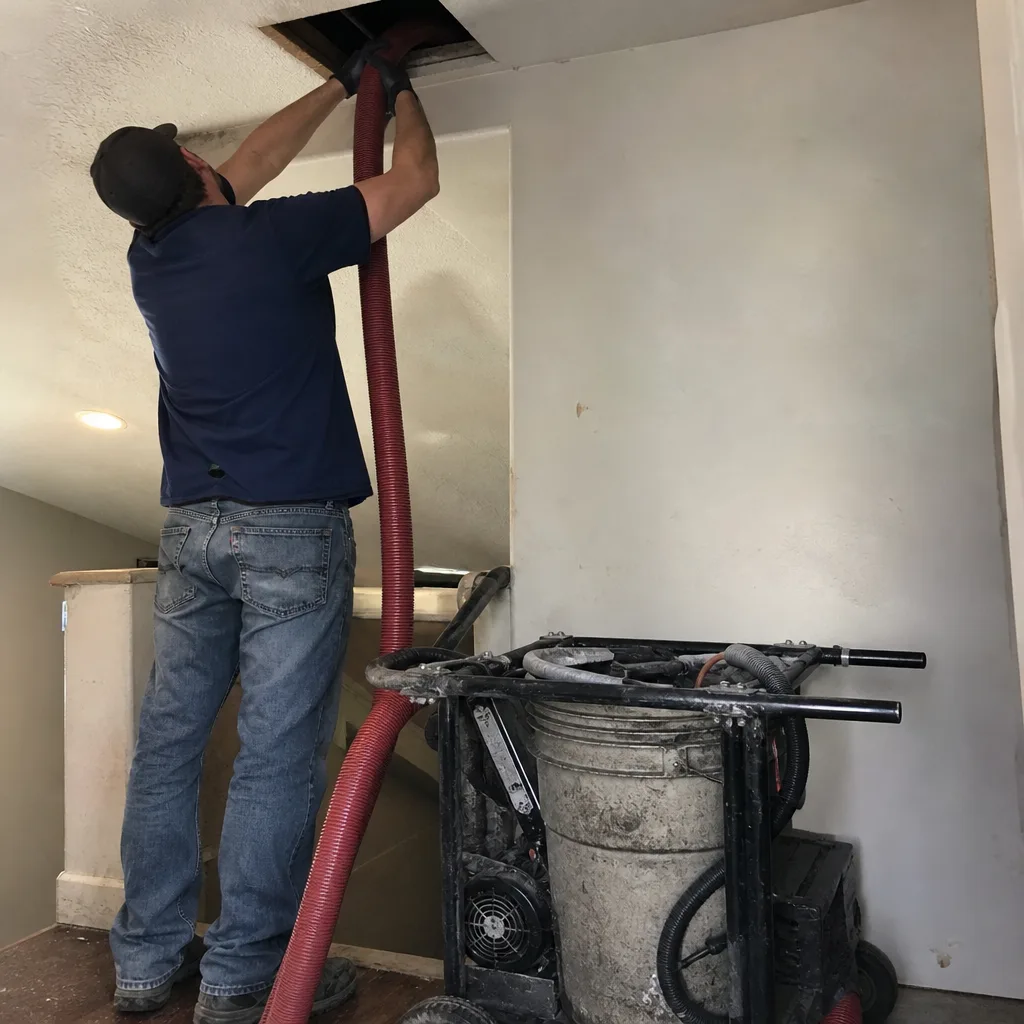 Before
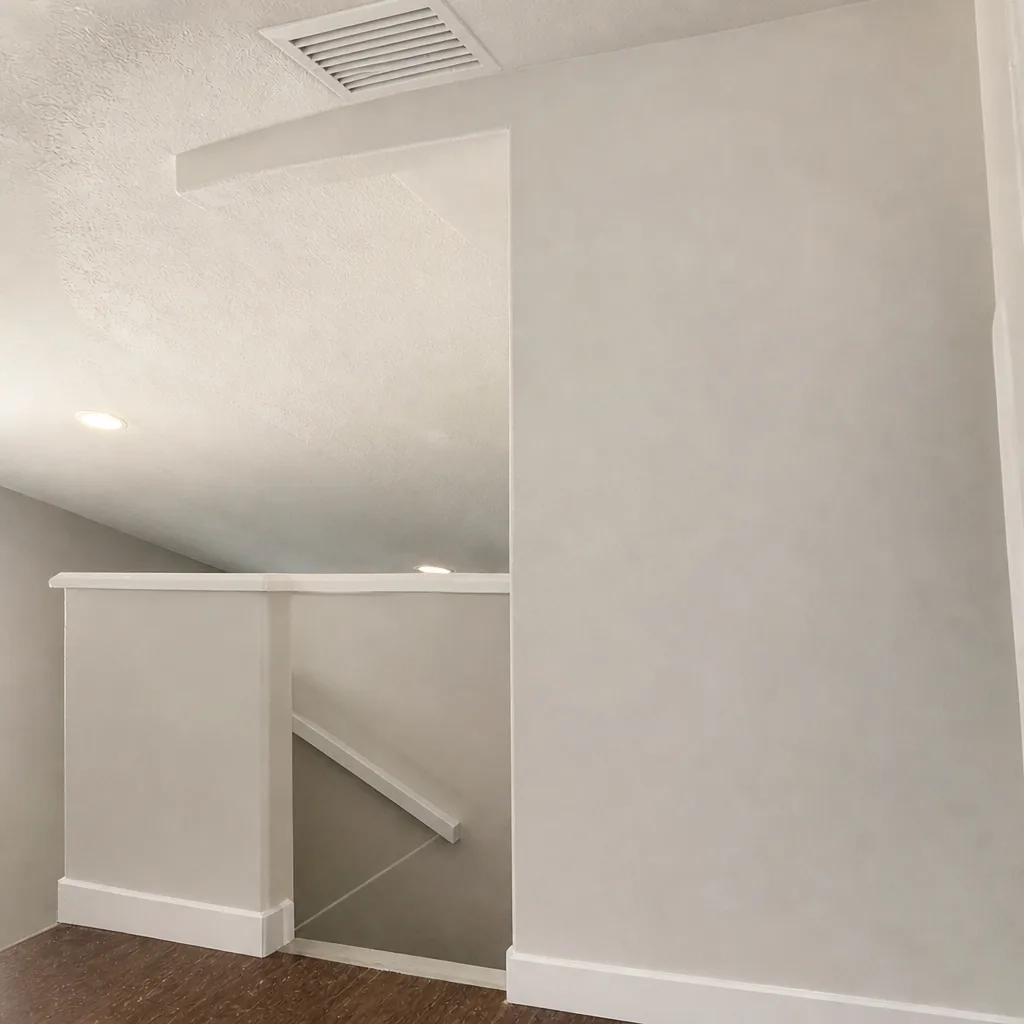 After
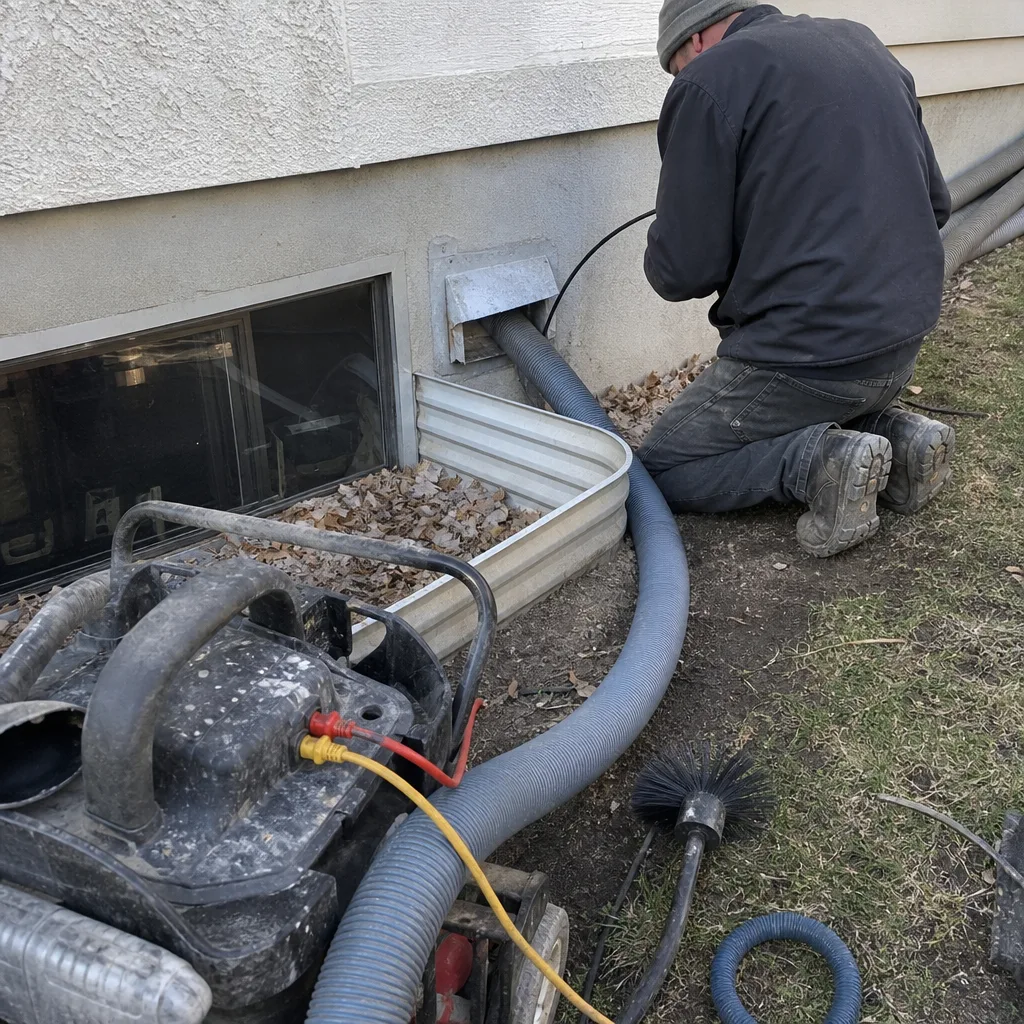 Before
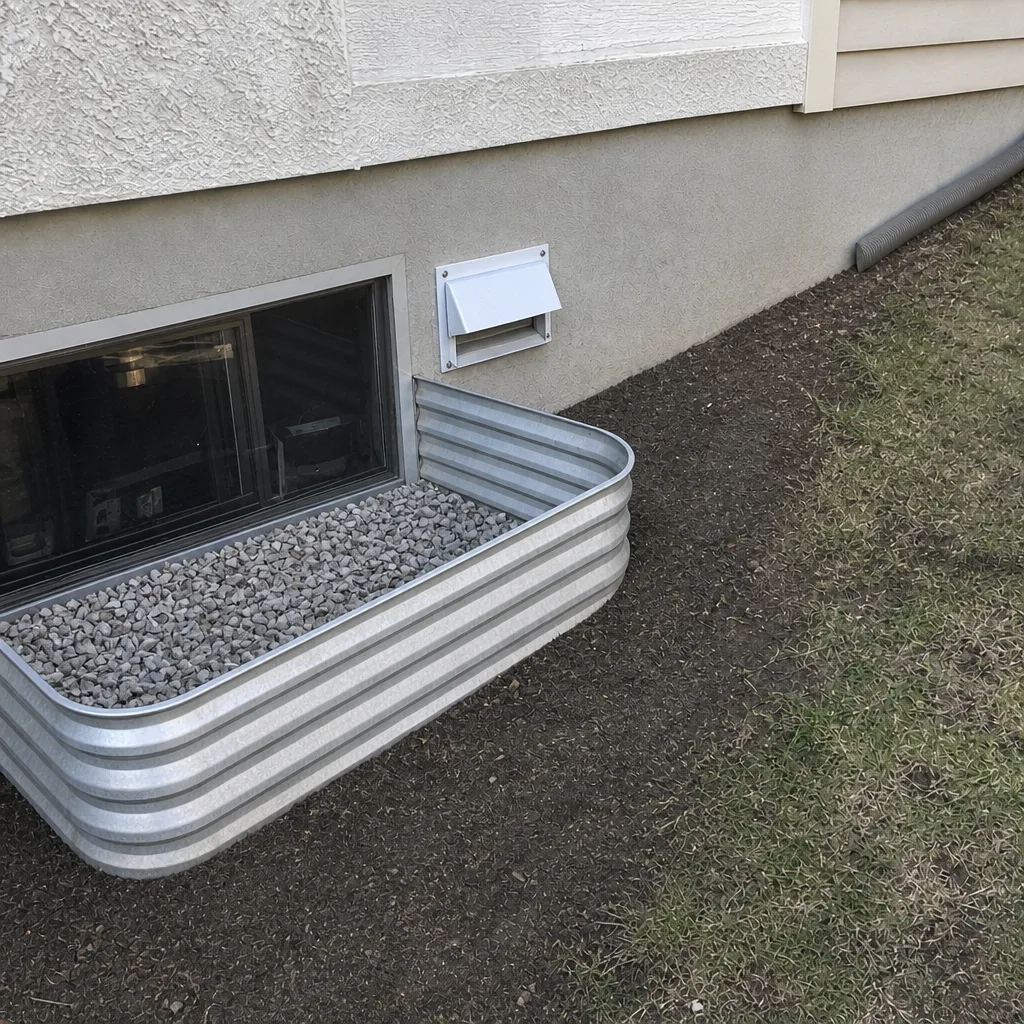 After
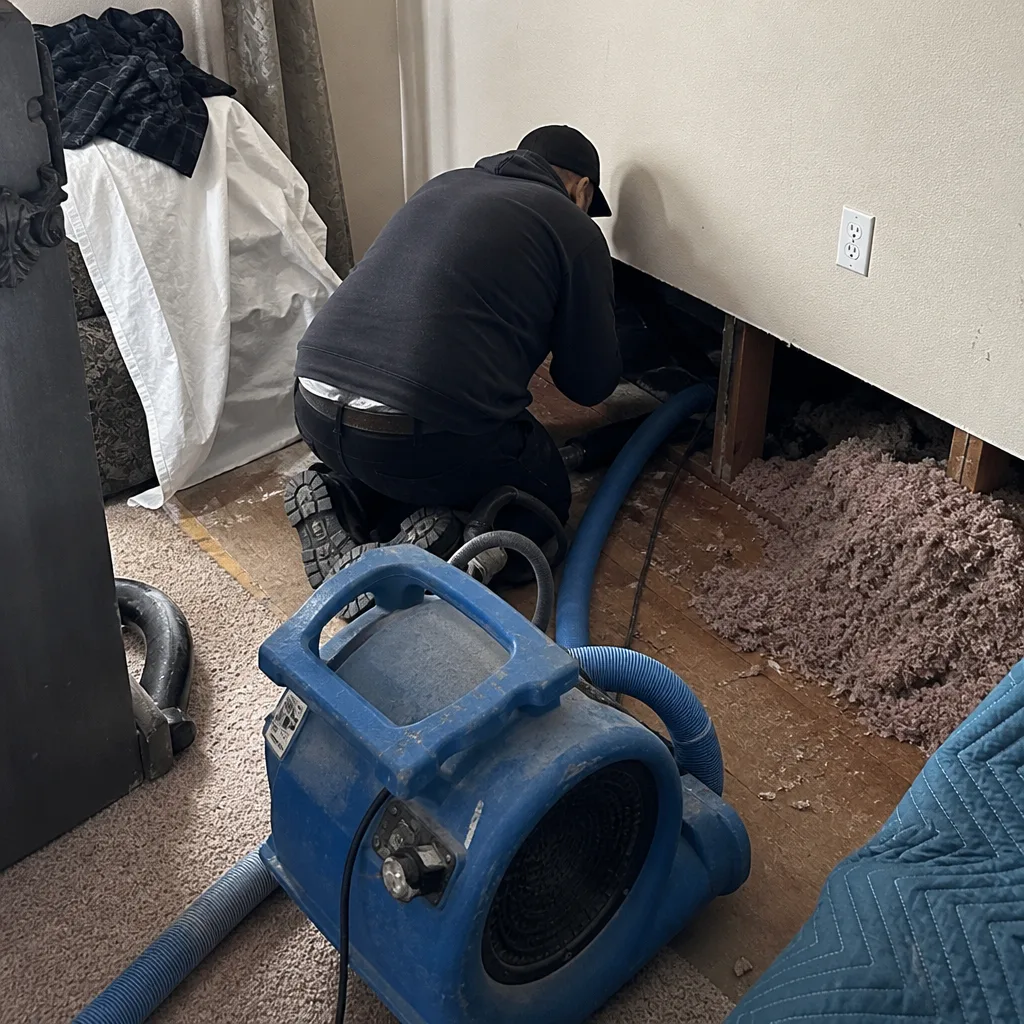 Before
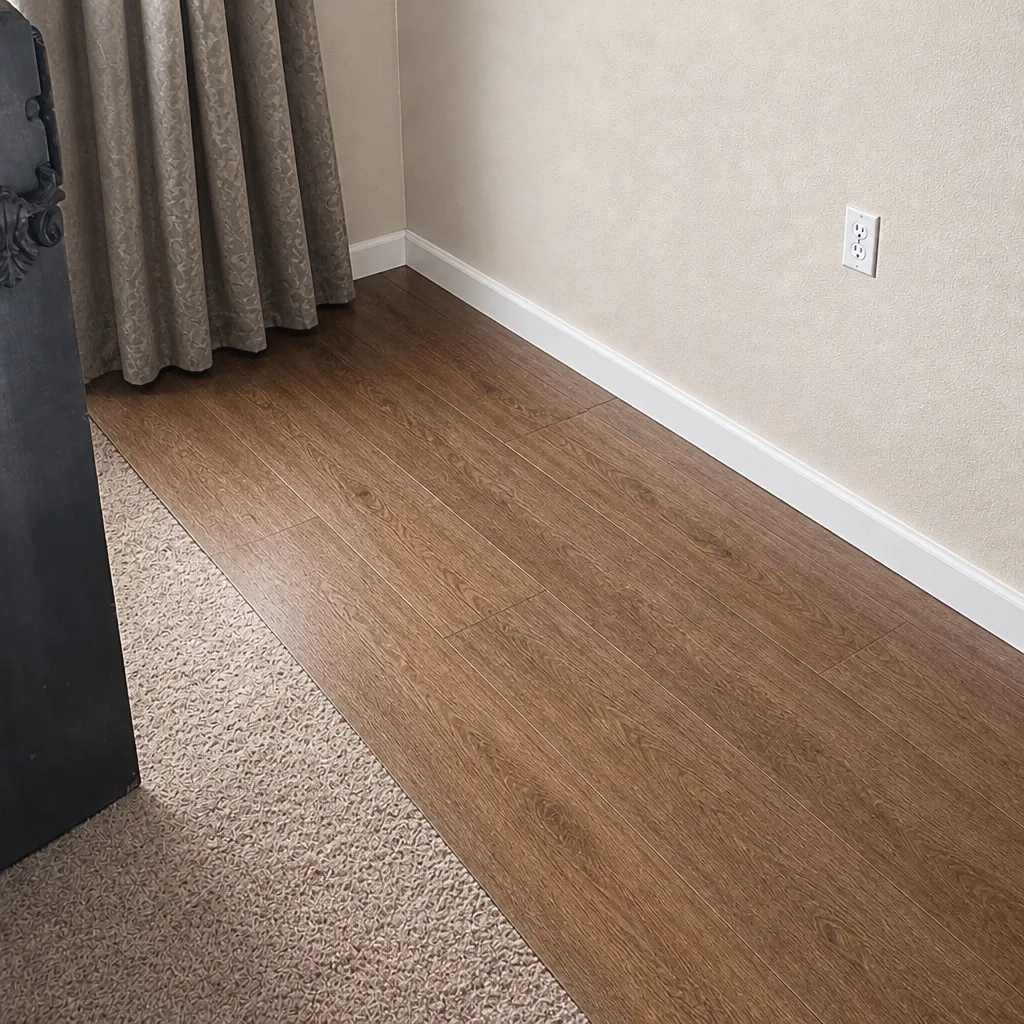 After
When to Call a Professional
Call a professional if you’ve had a renovation with the HVAC running, if anyone in the home has allergies or asthma, if it’s been more than a few years since the last cleaning, if you’ve noticed a musty smell or visible dust puffing from registers, or if your filters are clogging faster than they used to. Also call if you’ve found a tear in a flex duct run or a disconnected joint in the basement or crawlspace; that’s a repair, not a cleaning, and it should be addressed before you start running the system more. Our technicians have up to 15 years of experience with these systems, and we bring professional-grade Rotobrush and Nikro equipment to the job, along with containment filtration so the work in your home is as clean as the result. Fast dispatch from 7am to 7pm, Sunday through Friday. Lehi Air Duct Cleaning Pros offers free estimates in Lehi. Call (855) 579-6778.
Frequently Asked Questions
Pricing is done as a flat price per system based on the size and configuration of your ducts, not per vent, and the estimate is free. The written estimate sets the final price after the technician inspects the system. Call (855) 579-6778 for an exact quote. Estimates are free.
Cheap quotes usually exclude the trunk line, the returns, or the air handler, and they often skip containment. A low number for “duct cleaning” that only covers registers and grilles isn’t the same job as a whole-system cleaning with sealed negative pressure. Ask exactly what’s included and ask for before-and-after photos of your own ducts. Call (855) 579-6778 for a written estimate that spells out scope. Estimates are free.
Ask to see before-and-after photos of your own ducts taken during the job, and ask the technician to walk you through what they found. A thorough cleaning with containment and mechanical agitation will show visible results and leave a system that’s measurably cleaner from the inside. Call (855) 579-6778 to schedule a visit you can watch. Estimates are free.
Most Lehi homes fall in the every-few-years range, with more frequent cleaning in homes with pets, allergy sufferers, recent renovations, or heavy construction dust nearby. If your filters clog faster than the manufacturer’s recommended interval, that’s a signal to move the schedule up. Call (855) 579-6778 for a schedule recommendation based on your home. Estimates are free.
Yes, and we’d encourage it. Washing supply registers and return grilles, vacuuming the boot opening you can safely reach, and replacing filters on schedule are all genuinely useful and they don’t touch the sealed duct interior. If you do these between professional cleanings, you’ll get more out of each service visit. Call (855) 579-6778 if you want to know what your home’s interval should be. Estimates are free.
Only if the technician finds leaks or gaps, which is very common in both older and newer Lehi homes. Clean ducts are the start; sealed, repaired ducts are the finish, because sealing is what keeps contamination from re-entering. We inspect for it during every cleaning visit and give you a written estimate before any repair begins. Call (855) 579-6778 to schedule an inspection. Estimates are free.
For registers, grilles, and visible boot surfaces, yes; it’s a reasonable tool. For the duct runs themselves, no; a shop vac can’t create the negative pressure required to dislodge and capture debris from inside a sealed system. Trying it can make a professional cleaning harder by compacting or disturbing debris without containment.
The Bottom Line
The DIY-versus-professional question is usually framed as cost. It’s actually physics. A shop vac provides suction at a hose end; professional cleaning provides sealed negative pressure across the entire duct system plus rotary agitation, which is the combination that dislodges and captures settled debris. DIY has real value for register cleaning, grille washing, and filter changes, and we’d encourage every Lehi homeowner to do those between service visits. But when ducts are contaminated, when a renovation has occurred, or when allergy symptoms point to a source you can’t see, professional cleaning is the honest answer and it’s a better choice than a shop vac attempt that makes the eventual job harder. If you’re ready, we can walk the system with you and give you a straight look at what’s needed. Our Lehi Air Duct Cleaning Pros team handles air duct cleaning, dryer vent cleaning, and hvac cleaning across the same visit, so one call covers your entire air pathway.
Contact
If you’re ready to move from the DIY conversation to an actual assessment of your Lehi home’s duct system, call (855) 579-6778 for a free estimate. We answer 24/7. Fast dispatch, 7am-7pm. The written estimate sets the price and there’s no per-vent guessing; our technicians bring professional-grade equipment and containment so the work stays clean from start to finish. One call covers your entire air pathway: ducts, dryer vents, HVAC, repair and sealing, and sanitizing.
Written by the team at Lehi Air Duct Cleaning Pros.